Basic RV Systems Explained Simply
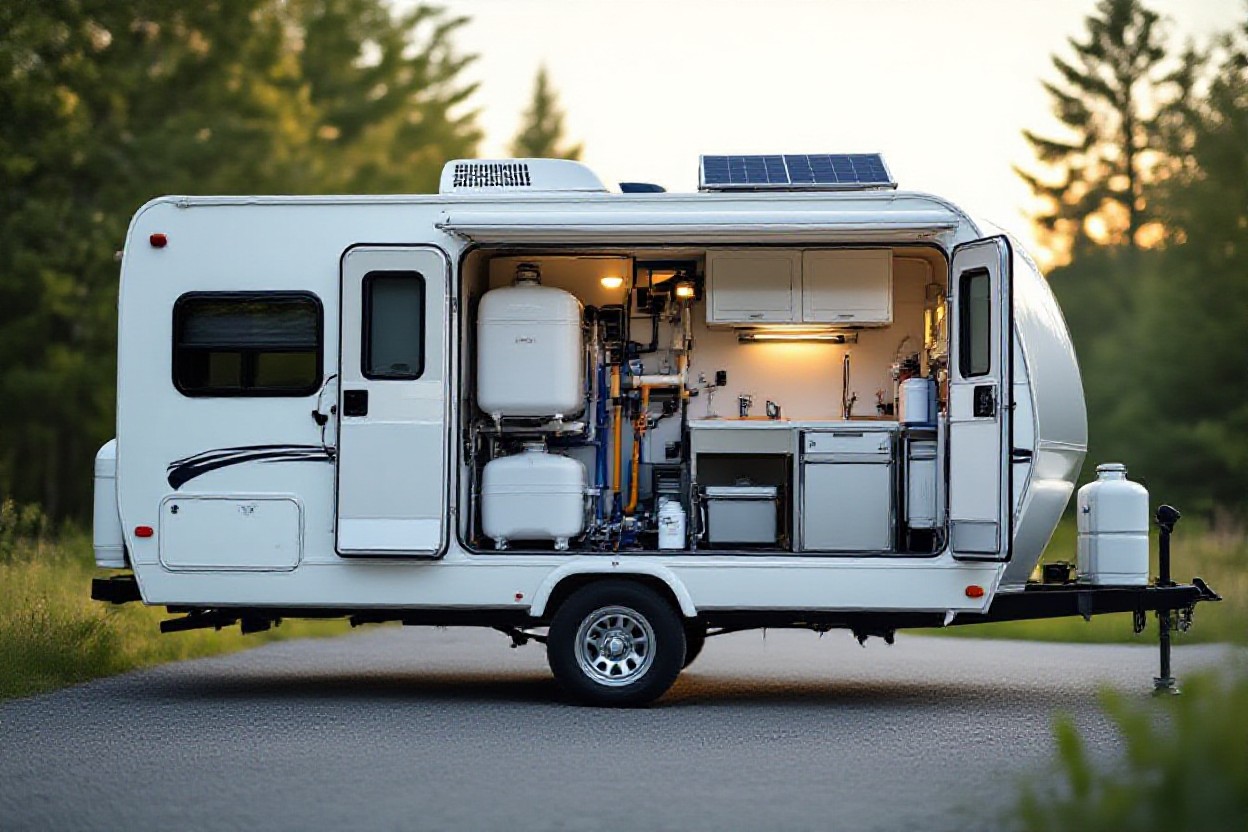
You can confidently manage your RV by learning how its electrical, plumbing, propane, heating, and waste systems work; this guide breaks each system into clear steps, shows basic troubleshooting, and gives maintenance tips so you can prevent common problems, stay safe, and enjoy reliable performance on the road.
Understanding RV Electrical Systems

A clear understanding of RV electrical systems lets you manage shore power, onboard batteries, inverters/chargers, breakers, and AC versus DC circuits so your appliances run safely and you avoid unexpected outages.
Battery Systems
Around battery systems, you need to know battery types (flooded, AGM, lithium), capacity in amp-hours, state-of-charge monitoring, proper charging practices, and safe maintenance to prolong life and ensure reliable house power.
Solar Power Integration
Against variable sunlight, solar power integration lets you harvest energy on the go; you must size panels to your load, choose a compatible charge controller, plan wiring and mounting, and integrate with your battery management to increase off-grid autonomy.
But to get consistent solar performance you should favor an MPPT controller for higher efficiency, use correct cable gauges and proper fusing, monitor battery voltage and solar output, mitigate shading and panel orientation losses, and design for future expansion so your system meets your travel and energy habits.
RV Plumbing Systems
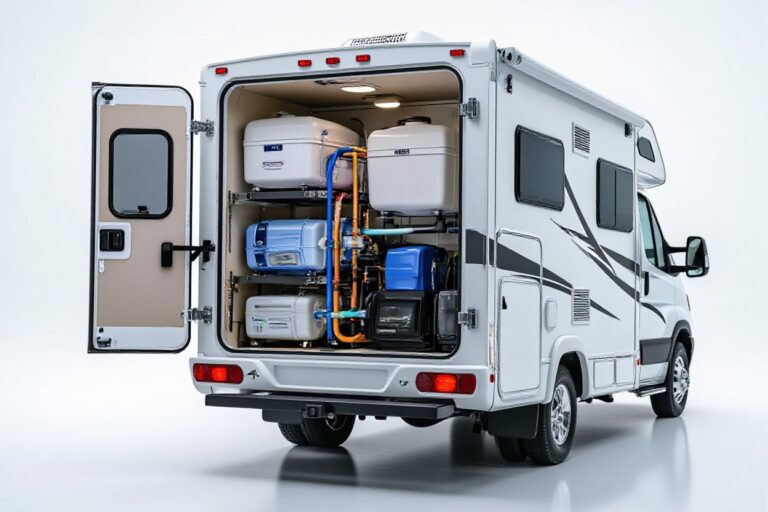
One crucial system you use is the RV plumbing, which delivers fresh water, disposes of waste, and supplies hot water for cooking and showers; you manage tanks, pumps, fittings, and shore water hookups while monitoring pressure, leaks, and winterizing to keep lines safe and sanitary.
Fresh Water System
One part you rely on is the fresh water system: your freshwater tank, 12V pump, pressure regulator, and inlet for city water supply work together to provide potable water; you should use filters, sanitize tanks periodically, and verify pump and fittings for leaks before trips.
Waste Water Management
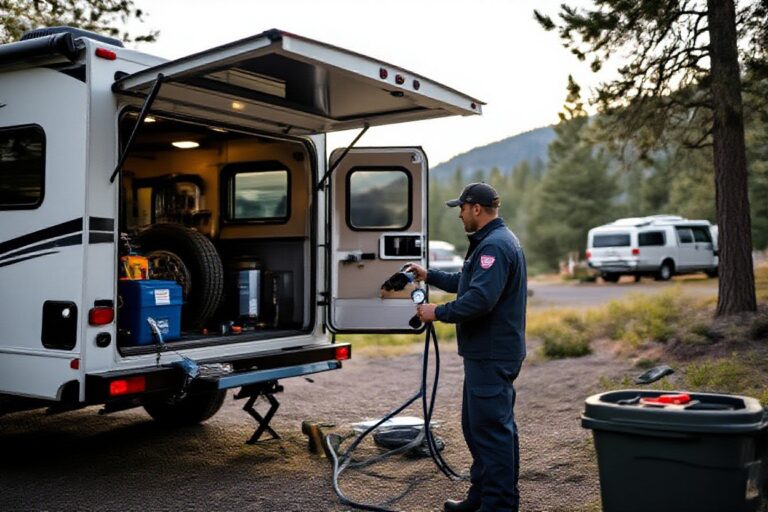
After use, your gray and black tanks collect wastewater; you monitor tank levels, venting, seals, and tank treatment to prevent odors, and you drain at proper dump stations while using appropriate hoses and fittings to protect your rig and campground.
For instance, you can reduce odors and buildup by flushing tanks with fresh water after each trip, using enzyme treatments, keeping baffles clear, and maintaining proper slope and seals; inspect valves and hoses regularly to avoid leaks and environmental violations.
Heating and Cooling Systems in RVs
Now you should understand that RV climate control combines heating, cooling, ventilation, and insulation to keep your space livable; systems range from propane furnaces and electric heaters to rooftop air conditioners and heat pumps, and you’ll balance power availability, fuel type, noise, and efficiency when choosing and operating them.
Heating Options
Around your heating choices are propane furnaces, diesel or wood-fired heaters, electric resistance and heat-pump systems; each trades fuel availability, startup time, efficiency, and installation complexity, so you’ll pick based on whether you boondock, tow with shore power, or need fast, low-maintenance warmth.
Air Conditioning Solutions
Along rooftop AC units, ducted systems, portable units, and inverter-driven mini-splits you’ll find different power draws, cooling capacities, and noise levels; consider BTU rating versus RV size, whether you’ll run on shore power or battery/generator, and how insulation and ventilation affect performance.
And when sizing and using an AC you’ll factor in solar, battery capacity, and generator output, use shade, reflective coverings, and ceiling vents to reduce load, perform regular filter and coil maintenance, and set thermostats a few degrees higher to extend runtime without sacrificing comfort.
Propane Systems
Despite being simple in concept, propane systems combine tanks, regulators, piping, and safety devices that you need to understand to use safely. You should know how pressure is reduced from tank to appliance, where shutoff valves sit, and how detectors and ventilation protect you. Proper installation and regular checks by qualified technicians keep your system reliable on the road.
Propane Tanks and Safety
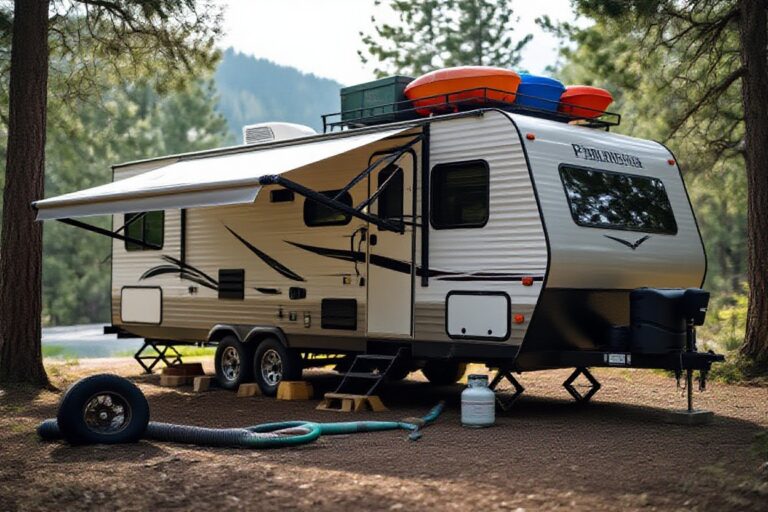
By selecting the right tank type and following inspection and handling rules, you reduce risks. You should secure fixed tanks, use approved cylinders for portable grills, inspect valves and regulators for corrosion, and perform leak checks with soapy water. Keep tanks upright, avoid overfilling, and have professionals test or replace cylinders when you suspect wear.
Common Appliances Using Propane

Propane powers many RV appliances you rely on: your cooktop, furnace, water heater, refrigerator, space heaters, and backup generator. You depend on correct pressure, clean burners, and proper venting for efficient operation. If an appliance sputters, emits unusual odors, or fails to light, shut it off and troubleshoot or call a certified technician to protect your safety and comfort.
A regular maintenance routine helps you avoid problems-inspect hoses and fittings, test for leaks with a soapy solution, clean burners, and replace worn regulators. You can monitor flame color and appliance performance for signs of low pressure, and log cylinder fill dates and service history. For any doubt about a leak or component failure, have a licensed RV technician service your propane system.
RV Chassis and Suspension
Not every RV chassis is the same; you need a strong frame to carry weight, mount systems, and resist twisting on rough roads, because your choice affects safety, ride quality, and payload planning.
Importance of the Chassis
Among its roles, the chassis supports your coach, anchors suspension and drivetrain, and defines towing and payload limits so you can load safely and plan upgrades or repairs.
Suspension Types and Benefits
Among leaf spring, coil, torsion axle and air ride systems, you balance durability, comfort and maintenance to match your travel needs. Thou must align your suspension choice with expected loads and the roads you travel.
- Leaf spring – durable and simple, suited for heavy loads.
- Coil spring – smoother ride and better wheel articulation.
- Torsion axle – compact design with low upkeep.
- Air suspension – adjustable height and improved comfort.
| Leaf spring | High load capacity, simple design |
| Coil spring | Smoother ride, lighter weight |
| Torsion axle | Independent action, low maintenance |
| Air suspension | Adjustable ride and load leveling |
| Independent suspension | Improved comfort and handling |
Considering upgrades, you can add airbags, upgraded shocks or sway-control to refine handling, reduce axle strain and improve comfort on long drives. Thou should schedule inspections and adjust components to match your payload and driving conditions.
- Inspect shocks and bushings regularly.
- Monitor tire wear after suspension changes.
- Adjust air pressure to match loaded weight.
- Recheck alignment and brake balance after upgrades.
| Shocks | Replace if leaking or worn |
| Bushings | Inspect for cracks and excessive play |
| Air bags | Check pressure and look for leaks |
| Leaf springs | Examine for cracks, sag or broken leaves |
| Tires | Monitor pressure and uneven wear |
Maintenance Tips for RV Systems
Many RV systems run reliably if you follow simple habits:
- check battery charge and connections
- inspect plumbing and seals for leaks
- clean filters and vents
Recognizing early wear or odd sounds lets you act before small issues become costly and keeps systems performing well.
Regular Inspections
After each trip and before storage you should inspect seals, hoses, electrical connections, tire pressure, and fluid levels; log findings so patterns are visible and maintenance is timely to prevent failures.
Troubleshooting Common Issues
An organized approach helps when systems misbehave: isolate the circuit or component, check fuses and breakers, consult manuals, and use simple tests so you can identify faults quickly and decide whether to repair or call a technician.
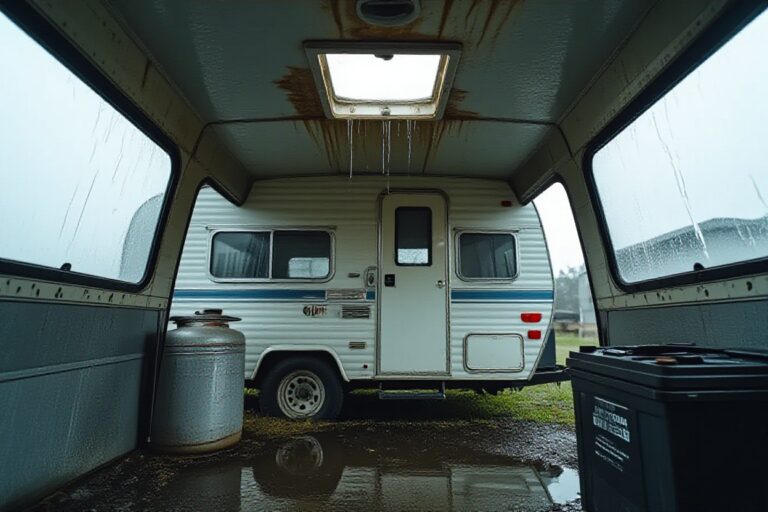
Inspections also guide troubleshooting by revealing corrosion, loose fittings, or burned wiring so you can target repairs, prioritize safety, and keep trips smooth with timely fixes and parts replacement planning.
Final Words
Upon reflecting on basic RV systems explained simply, you can confidently operate and maintain your RV by understanding electrical, plumbing, propane, and HVAC fundamentals; check gauges and panels regularly, follow manufacturer guidelines, perform simple preventative maintenance, and consult manuals when systems behave unusually to keep trips safe and comfortable.