Common Camping Mistakes and How to Avoid Them

It’s easy to underestimate gear, ignore weather, or choose poor campsite locations, but you can prevent most problems with simple planning; pack layered clothing, test your tent and stove at home, secure food from wildlife, keep a realistic itinerary, and practice leave-no-trace principles. Anticipate common issues-wet gear, cold nights, navigational errors-and carry basic repair kits, extra water, and maps so your trip stays safe and enjoyable.
Lack of Planning

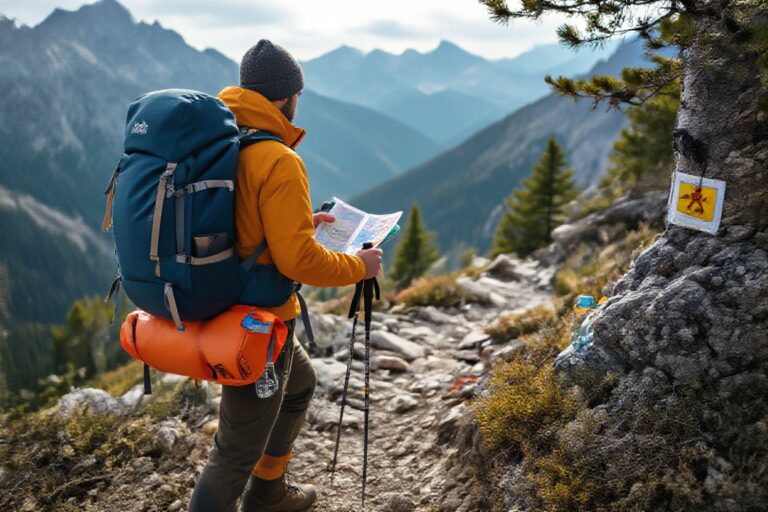
While it’s tempting to improvise, poor planning leaves you short on permits, water, navigation tools, and contingency options; you should research routes and regulations, create a realistic itinerary, check gear and resupply points, and notify someone of your plans so you can handle delays and emergencies confidently.
Choosing the Wrong Campsite
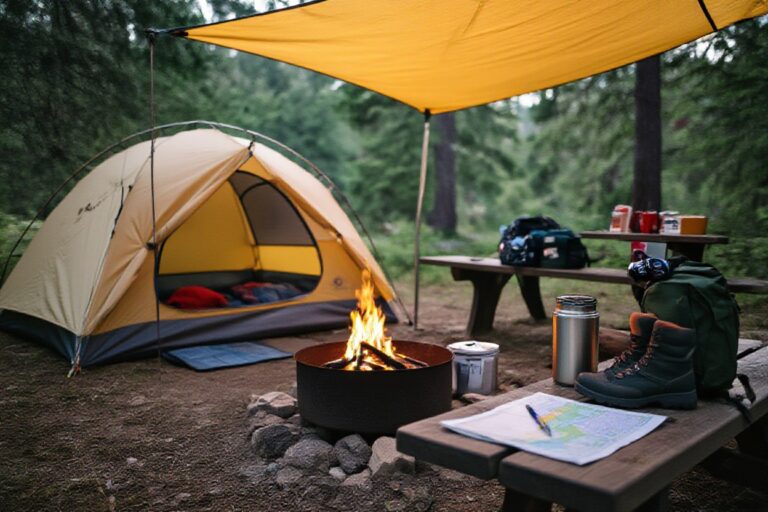
On many trips you pick sites that flood, are exposed to wind, or damage fragile vegetation; you should assess drainage, shelter, distance to water and trails, and choose a level, durable spot that balances safety, privacy, and minimal environmental impact.
Underestimating Weather Conditions
Between forecast changes and local microclimates you will encounter surprises, so you must check multiple weather sources, pack waterproof and insulating layers, secure rain protection, and build flexibility into your schedule to avoid risky conditions.
The best preparation is practical: you should monitor hourly and elevation-specific forecasts, pack a waterproof shell, insulating mid-layers, spare dry clothing in waterproof bags, carry an emergency bivy or tarp, allow extra time for slower travel, and know the signs of hypothermia and heat illness so you can respond immediately.
Inadequate Gear
There’s a big difference between minimal and inadequate gear; you should assess conditions, pack weather-appropriate clothing, a reliable shelter, and navigation tools so your trip isn’t derailed by preventable failures.
Packing the Wrong Equipment
Below you will find items people commonly overpack or omit; you should match gear to terrain and season, prioritize multifunctional tools, and avoid bulky options that you won’t realistically use.
Not Testing Gear Beforehand
One often overlooked step is assembling and using your tent, stove, and sleeping system at home so you can fix problems and learn operation before you rely on them in the field.
A quick gear check includes pitching the tent, lighting the stove, testing battery-powered devices, patching tears, and packing vital spares so you won’t be improvising when conditions are harsh.
Food and Cooking Mistakes
You underestimate meal planning, bring perishable items without proper storage, rely on complicated recipes or inadequate fuel, and skip equipment checks, which leaves you hungry or unable to cook; plan simple, flexible menus, pack extra nonperishables and tested fuel, and pre-count portions so your food strategy supports the trip rather than sabotaging it.
Insufficient Meal Preparation
After you skip pre-cooking or pre-cutting ingredients you waste time and energy at camp and risk running out of food; create a meal list, pre-portion dry and fresh items, par-cook where helpful, pack ready-to-eat backups, and test recipes at home so cooking is fast, predictable, and suited to your campsite conditions.
Ignoring Food Safety
About food safety, treating perishables casually leads to spoilage and illness-use coolers with ice or frozen bottles, keep raw and cooked items separate, wash hands and utensils, and discard anything that smells off to protect your health and your group.
Safety practices you should follow include using a food thermometer to reach safe internal temperatures (poultry 165°F, ground meats 160°F), holding perishables at or below 40°F, storing food in sealed containers or bear-proof canisters, cleaning surfaces after each use, and disposing of waste away from camp to minimize contamination and wildlife attraction.
Overpacking and Underpacking
Once again, overpacking burdens you with unnecessary weight while underpacking leaves you vulnerable; balance gear to trip length, weather, and planned activities. Prioritize multi-use items, check the forecast, pack a compact repair kit and medical supplies, and lay out vitals before repacking to spot duplicates. A concise checklist saves space, time, and stress.
Essentials vs. Non-vitals
About vitals versus non-vitals: categorize items by function and contingency-shelter, sleep system, navigation, water, food, first aid, and layered clothing belong in vitals; luxury or single-use items can stay home. Set a strict cap, test-pack for a short trip, and remove anything you don’t use to keep your load practical.
Weight Management
With weight management you should evaluate necessity, choose lighter materials, and distribute load evenly; swap heavy cookware for lighter alternatives, use compressible bags, and share communal gear. Prioritize emergency and comfort items, weigh your pack before departure, and pare down one nonvital for every heavy addition.
Plus you can reduce pack weight by replacing bulky clothing with versatile layers, minimizing liquids, and repacking food into smaller containers; every ounce saved improves mobility, reduces fatigue, and lets you hike further and set up camp faster.
Ignoring Campfire Safety
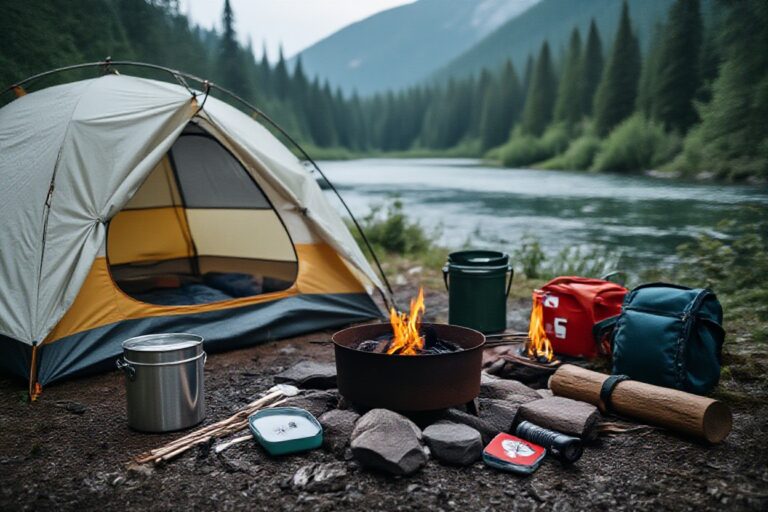
Unlike treating campfires as mere ambiance, you must treat them as potential hazards: choose a cleared, designated ring or build a safe pit on bare soil, keep fuel manageable, position your tent and gear well away, and keep water, a shovel, and a metal bucket at hand to control sparks and sudden flare-ups.
Fire Setup Procedures
On selecting your site, follow local rules, pick level ground away from low branches, clear a wide perimeter to mineral soil, stack wood upwind, use small kindling to start a controlled flame, avoid accelerants, and keep your fire size within what you can easily manage.
Proper Extinguishing Techniques
After you finish cooking or socializing, douse the flames thoroughly with water, stir ashes to expose hidden embers, repeat wetting and stirring until everything is cool, and do not leave the site until you can confirm there is no remaining heat.
Ignoring small embers or rushing the extinguishing process puts your camp and the surrounding woods at risk; you should pour water until hissing stops, press and mix ashes with a shovel to expose any hot spots, check for residual heat from multiple angles, and only depart once the area is cold to the touch.
Neglecting Leave No Trace Principles

All of your choices at camp affect fragile systems; neglecting Leave No Trace means you may leave litter, spread invasive seeds, or alter wildlife behavior, turning short visits into lasting damage. You must act so sites remain intact for others by minimizing impact, packing out waste, and avoiding unnecessary alterations to the landscape.
Impact on Nature
One major impact is habitat degradation: when you trample vegetation, discard food, or create new fire rings, you increase erosion, attract scavengers, and disturb nesting or breeding areas. You reduce the resilience of ecosystems and compound damage over time unless you avoid off-trail travel and secure all attractants.
Responsible Camping Practices
Trace your presence by packing out everything you bring, camping on durable surfaces, using a camp stove instead of building a fire when possible, and disposing of human waste properly; you should also minimize noise and keep pets under control to prevent wildlife disturbance.
The best practices include choosing established sites, cleaning gear between trips to avoid spreading seeds, following local regulations, and educating your group; when you model and enforce these behaviors, you preserve the places you love and ensure they remain healthy for future visitors.
Summing up
Now you can avoid common camping mistakes by planning realistically, packing your imperative gear and layers, testing equipment before you go, choosing a manageable route and campsite, practicing fire and water safety, storing food properly to deter wildlife, and keeping a basic first-aid kit and navigation tools on hand; by prioritizing preparation, flexibility, and minimal impact you’ll have safer, more enjoyable trips and fewer surprises.