Essential Camping Basics Every Beginner Should Know

Over the course of this guide you will learn the foundational skills for safe, comfortable camping: choosing and pitching a tent, packing imperative gear and food, planning routes and weather contingencies, building campfires where permitted, and practicing Leave No Trace-so you can set up camp confidently, handle common problems, and enjoy the outdoors responsibly on your first trips.
Choosing the Right Gear

The gear you choose sets comfort, safety and ease on the trail: prioritize lightweight, durable pieces matched to season and terrain, test items at home, check weight and pack volume, and balance function with budget-invest in a reliable backpack, headlamp, multi-tool and layered clothing so you can adapt to changing weather.
Tents and Sleeping Bags
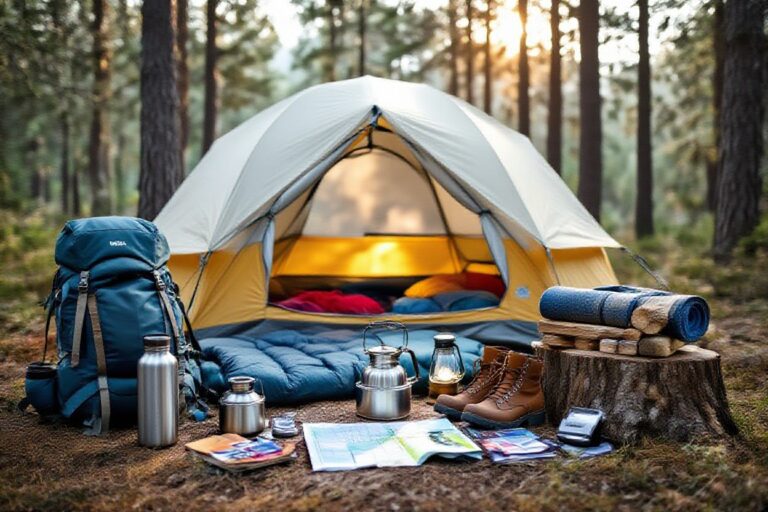
The tent and sleeping bag you pick should fit season, group size and weight limits; choose a tent with easy setup, good ventilation and a footprint, and a sleeping bag rated a few degrees warmer than the coldest night you expect-pair it with an insulated pad and consider packability and repair options.
Cooking Equipment
To cook efficiently you should pick a stove system that matches your trip length and fuel availability, carry a lightweight pot and utensil, bring wind protection or a stove windshield, and plan simple meals that minimize cleanup; always store fuel safely and know how to operate your stove before you depart.
Right-sized cookware improves fuel efficiency: a 1-1.5 L pot suits solo or two-person trips, a lid and a lightweight frying pan expand options, and a compact canister stove covers most beginner needs-if you expect cold or high-altitude use, choose a liquid-fuel stove and test boiling times so you can plan cooking and fuel requirements.
Essential Camping Supplies
You should prioritize a reliable tent, sleeping system, cooking gear, lighting, navigation tools, and weather-appropriate clothing so your trip stays safe and comfortable. Opt for a tent with proper stakes and a rainfly, a sleeping bag rated for expected temperatures, a compact stove and fuel, a headlamp with spare batteries, water treatment, a map and compass or GPS, and a multi-tool. Pack according to trip length and planned activities to avoid both overpacking and missing items.
Clothing and Footwear
Below you should build a layering system: base layers that wick moisture, insulating mid-layers, and a waterproof outer shell; bring durable, broken-in boots for hiking and camp shoes for comfort. Pack extra socks and underwear, a warm hat, and gloves for cold nights. Choose quick-drying fabrics and avoid cotton for active days. Adjust quantities to trip length and potential weather shifts so your clothing keeps you comfortable and safe.
First Aid Kit
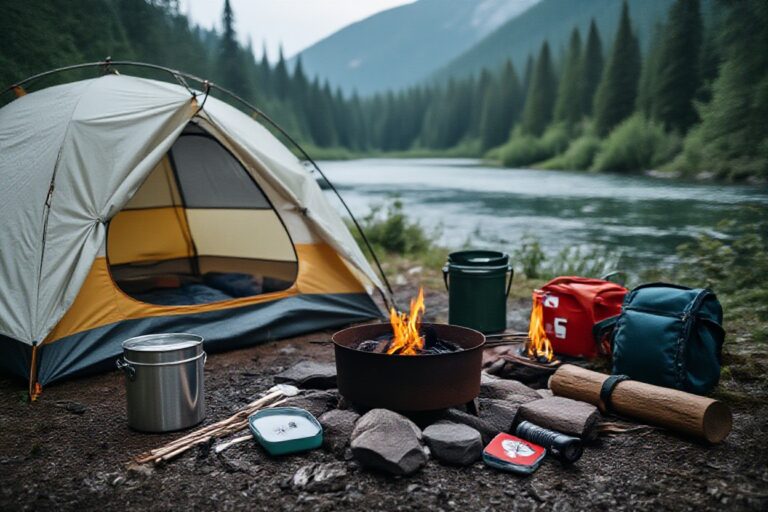
Among your supplies, carry a well-stocked first aid kit tailored to your party size and itinerary, including bandages, antiseptic wipes, adhesive tape, blister care, pain relievers, tweezers, and any personal medications. Include supplies for treating minor wounds and stabilizing injuries until professional help is available. Store items in a waterproof container and check expiration dates before each trip.
Even if you’re day-hiking, you should customize the kit with items like an emergency blanket, instant cold pack, SAM splint or triangular bandage, waterproof matches or lighter, a whistle, extra wound dressings, and clear instructions for use; include an epinephrine auto-injector if you have severe allergies, and train yourself in basic wound care, splinting, and CPR so you can respond confidently when injuries occur.
Campfire Basics
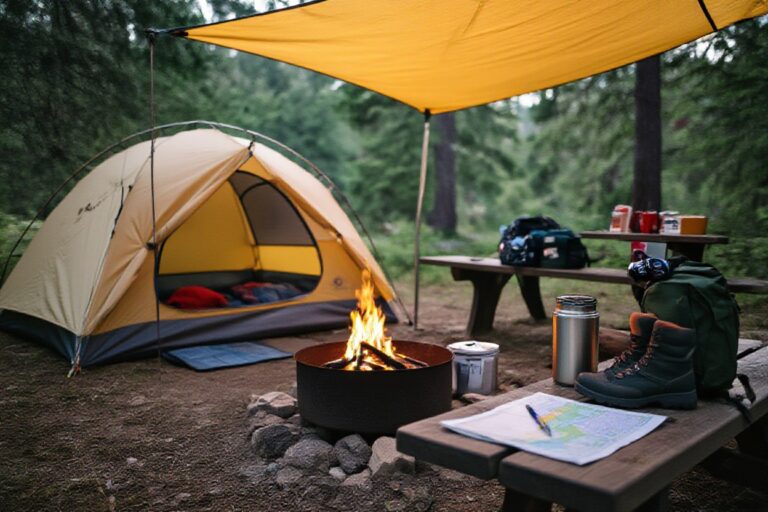
Even if you’re new, you can build a safe, effective campfire by choosing a level site away from overhangs and dry brush, clearing a wide perimeter, stacking tinder, kindling, then larger logs, and keeping water and a shovel on hand; you should control flame size, never leave the fire unattended, and fully extinguish embers until cool before breaking camp.
Firewood Selection
Behind every steady fire you build is properly seasoned wood: prioritize dry, dense hardwoods like oak or maple for long, hot burns, use softwoods like pine for quick ignition only with care, avoid burning treated or wet wood, and source local wood so your fire stays efficient and complies with park rules.
Fire Safety Tips
Tips you should follow to reduce risk include:
- Keep your fire small and manageable.
- Maintain a clear perimeter of at least 10 feet.
- Keep water, sand, or a shovel within reach.
Knowing you must never leave embers unattended and must douse them until cool prevents accidental spread into surrounding vegetation.
Campfire safety also means planning for weather and having a clear plan to extinguish the fire:
- Drown the fire with water, stirring ashes until hissing stops.
- Scatter and feel for heat; repeat douse and stir until cool to the touch.
- Avoid burying fires, as smoldering embers can reignite later.
Knowing you must leave the site cold to the touch before you walk away protects the area and other campers from unintended fires.
Navigating the Outdoors
Unlike relying solely on gadgets, you should develop basic navigation skills to move confidently through varied terrain; study contour lines, note natural landmarks, gauge distances, and adjust plans for weather or daylight. Practice pacing and route-finding before remote trips, carry a simple route plan, and inform someone of your intended track so you stay self-reliant when signals or batteries fail.
Maps and Compasses
The map-and-compass duo gives you a dependable backup: you should learn to orient a map, take bearings, and plot a course using contours and compass azimuths. Practice triangulation and pace counting in easy terrain, keep your map dry and your compass accessible, and use these manual skills to verify electronic readings when conditions are challenging.
GPS and Technology
Navigating with GPS and apps can simplify route-finding, but you must verify device accuracy, carry spare power, and download offline maps before you go. Learn basic functions, set waypoints, and cross-check GPS tracks against the terrain and your paper map to avoid drift or misinterpretation in dense cover or poor satellite reception.
Another advantage of modern tech is access to real-time weather, trail reports, and emergency location services; you should enable location sharing with trusted contacts, configure alerts, and keep firmware updated. Treat technology as a force-multiplier-combine it with map-and-compass skills and redundancy in power and navigation aids for safe, confident travel.
Outdoor Cooking Techniques

For dependable outdoor cooking, you should plan heat sources, gear, and cleanup before you set out, choosing a stove for quick meals and a campfire or Dutch oven for flavor and slow-cooked dishes; pack fuel, a windscreen, suitable cookware, utensils, and a water bucket for safety, control flames, and follow safe food handling to keep meals simple and enjoyable.
Meal Planning
About meal planning, you should favor simple, high-calorie recipes that minimize perishables and waste: pre-portion ingredients, use one-pot or foil-packet dinners, bring staples like rice, pasta, canned beans, and quick proteins, schedule leftovers into lunches, and factor weather and activity level so you carry enough fuel and snacks for your days.
Cooking Methods
Before choosing a method, test your stove and fuel at home so you know output and boil times; on-site, use a stable surface and wind protection. You can boil, simmer, sear, or roast depending on gear: stoves give control, fires add aroma, and Dutch ovens excel at baking and stews; secure food to avoid attracting wildlife.
Cooking with varying heat requires that you manage flame intensity and cookware placement: raise or lower pots over coals, move pans to cooler edges, and use lids to trap heat. You should pre-soak tough grains, par-cook proteins at home to reduce field time, and carry a thermometer for safe doneness; clean utensils promptly to avoid attracting animals.
Setting Up Camp
Despite the unpredictability of weather and terrain, you can establish a safe, comfortable camp by prioritizing shelter, fire safety, and organization; set up near a water source but above flood lines, clear debris, orient your tent to block prevailing wind, and plan a layout for cooking, gear storage and waste to keep your site functional and low-impact.
Site Selection
With site selection, choose level ground that drains, avoid hollows and animal trails, seek natural windbreaks and sun exposure for warmth, check for hazards like dead branches overhead, and place your camp where you can easily access resources while minimizing impact on vegetation and wildlife.
Tent Setup
An efficient tent setup begins by staking corners taut, aligning the door away from prevailing wind, using a footprint to protect the floor, tensioning the rainfly to shed water, and organizing gear inside to balance weight and maintain ventilation to reduce condensation.
Hence you should stake and guy out all attachment points, set the fly and vents for cross-flow, check pole assembly before tensioning, use stronger stakes and adjustable guy knots in soft or rocky ground, seal seams if needed, and practice pitching at home so you can assemble quickly in the field and troubleshoot issues like water pooling or zipper jams.
Final Words
Drawing together the fundamentals of planning, packing, shelter, fire safety, navigation, food and water management, and Leave No Trace ethics empowers you to enjoy the outdoors confidently. By testing gear, checking weather, packing layers, learning simple first-aid and map skills, and respecting wildlife and campsites, you reduce risks and increase comfort. With practice and sensible habits, your trips will be safer, more enjoyable, and more sustainable.