How to Stay Safe While Camping Outdoors?
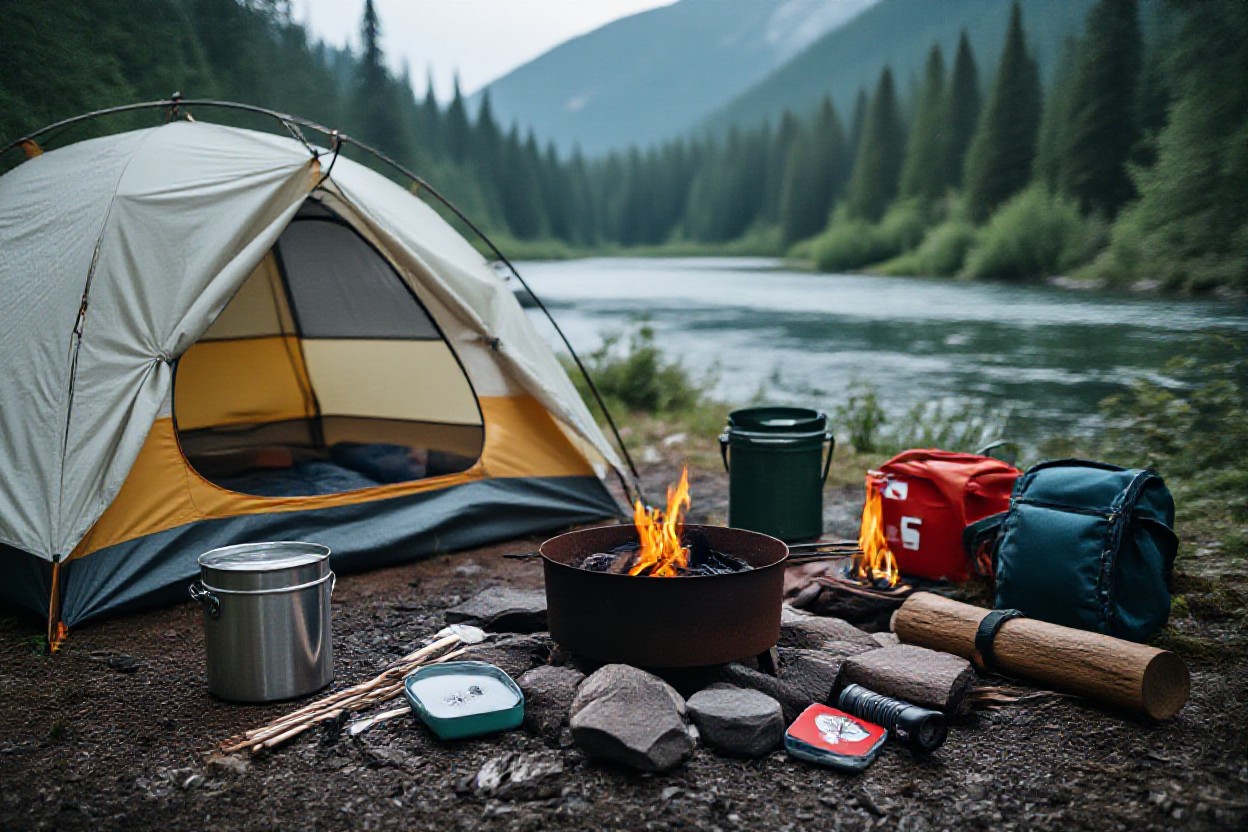
Outdoors, you must plan and prepare to reduce risks: choose a safe campsite, check weather and trail conditions, pack layered clothing, navigation tools, first-aid supplies, and bear-safe food storage, and let someone know your itinerary; practice fire safety, respect wildlife, purify water, and stay aware of surroundings so you can respond quickly to injuries or changing conditions.
Choosing a Safe Campsite
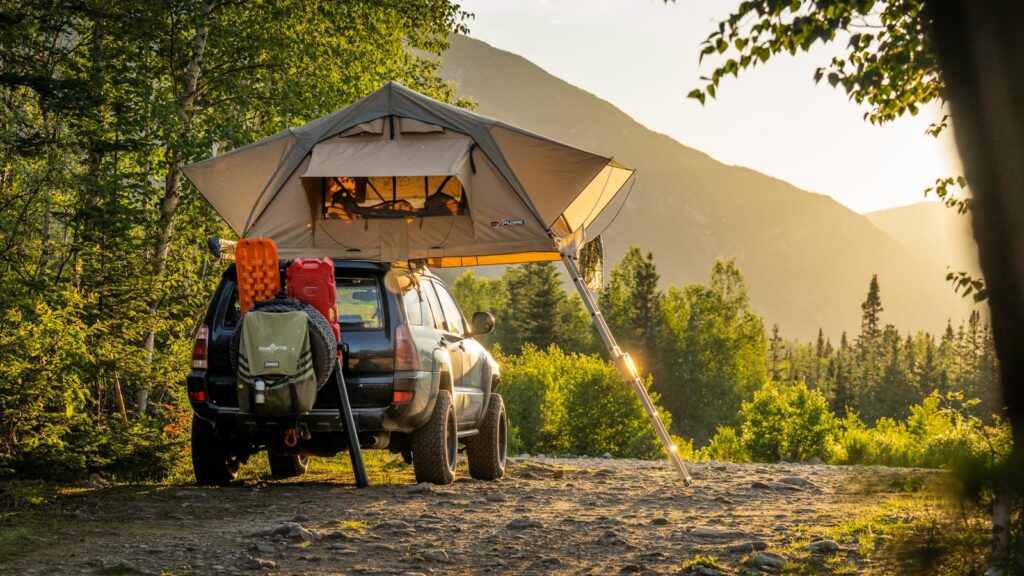
The best campsite balances safety, comfort, and environmental care; you should select level, elevated ground away from riverbanks, steep slopes, and dead trees, leave enough space for tents and a cooking area downwind from sleeping spots, and follow local regulations to protect wildlife and fragile terrain.
Terrain and Shelter Considerations
Shelter placement affects your safety and warmth; you should pitch on firm, level ground above known flood lines, avoid hollows and loose rock, use natural windbreaks when possible, clear debris and inspect for overhead hazards like dead limbs before setting up your tent.
Proximity to Water Sources
By camping at least 200 feet (about 60 meters) from lakes and streams, you reduce flood risk, lower insect exposure, and protect water quality; you should situate your latrine downhill and well away from water sources to prevent contamination.
Even if water appears clean, you should treat it-boil, filter, or use chemical purifiers-store water securely to avoid attracting wildlife, and assess seasonal flows and recent weather to avoid unexpected rises when choosing your campsite.
Fire Safety in the Wilderness
Some fires are avoidable; you must assess conditions and follow regulations before igniting flames. Choose established fire rings or metal stoves, keep a safe distance from tents and low branches, never leave a fire unattended, and keep water and a shovel nearby. If winds pick up or conditions worsen, extinguish fires immediately. You are responsible for preventing wildfires and protecting other campers and wildlife.
Building and Managing Campfires
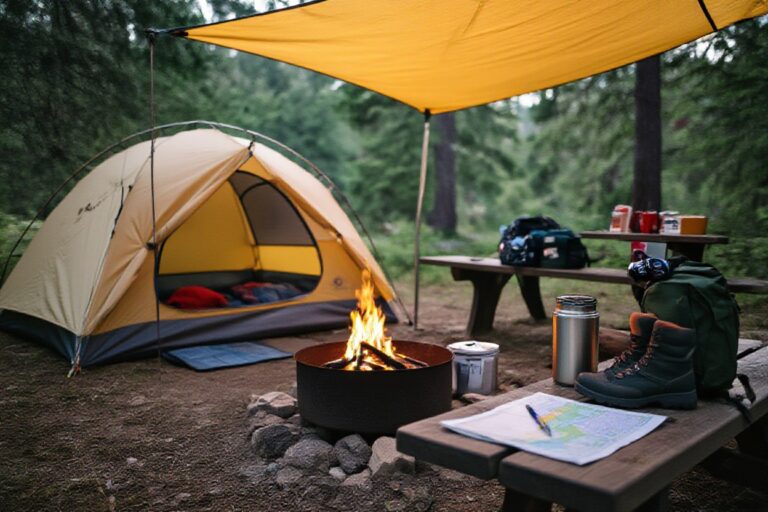
Along with picking a safe site, you should clear a wide area to mineral soil, stack small fuel to start and add larger logs gradually, and keep fires small and manageable. Monitor wind and ember drift, limit flammable items nearby, and assign someone to watch the fire while it burns. You must follow local burn bans and use a stove when conditions are risky.
Fire Extinguishing Techniques
Campfires should be doused by pouring water slowly over coals until hissing stops, stirring ashes with a shovel, and feeling for heat with the back of your hand from a safe distance; repeat until no warmth remains. If water is scarce, smother embers with dirt and tamp thoroughly, then check again. You are responsible for ensuring the fire cannot restart.
At the end of your visit, you must perform the cold-out test: soak the ring thoroughly, stir ashes to expose hidden embers, and feel for heat; continue soaking and stirring until ashes are cold to the touch. If a fire escapes your control, evacuate immediately and contact emergency services; warn nearby campers. Pack out any nonnatural fuel and restore the site to its natural state to reduce future fire risk.
Wildlife Awareness and Prevention
While camping, you should stay alert for tracks, droppings, and calls, maintain a clean campsite, secure attractants, and give wild animals plenty of space; use binoculars or cameras to observe and avoid approaching nests, dens, or young, and know local emergency procedures if an encounter escalates.
Identifying Dangerous Animals
After you learn which predators and venomous species inhabit the area, study their habits, active times, and warning signs; carry identification resources, report sightings to rangers, and avoid hiking alone at dawn or dusk when many dangerous animals are most active.
Safe Food Storage Practices
Awareness of proper food storage reduces animal visits; you should pack food in sealed containers, use bear canisters or hang bags 10-15 feet high and 4 feet from trunks when required, keep cooking and food smells away from your sleeping area, and clean cookware immediately after use.
Hence you should store all scented items – food, toiletries, trash – in approved bear-resistant containers or lockers, double-bag odorous packaging, cook and eat downwind and at least 100 yards from your sleeping area, pack out garbage or use designated bins, and never leave food unattended or inside your tent.
First Aid and Emergency Preparedness
Your ability to handle injuries, hypothermia, or getting lost reduces risk; carry a basic first aid kit, know how to stop bleeding, treat shock, identify severe allergic reactions, and have a plan to signal for help; check weather, tell someone your route and schedule, and practice navigation and emergency shelter skills.
Essential First Aid Kit Items
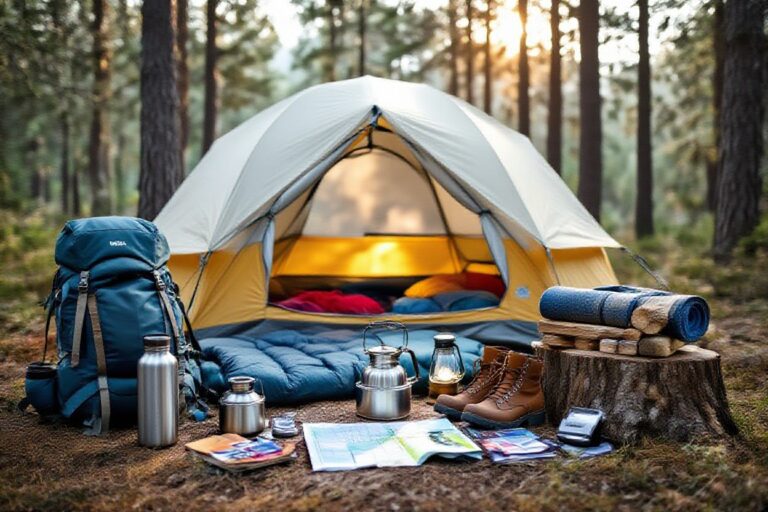
Essential items include sterile gauze, adhesive bandages, adhesive tape, antiseptic wipes, tweezers, scissors, an elastic bandage, pain relievers, an antihistamine, an epinephrine auto-injector if you are allergic, blister care, and a compact CPR mask; tailor contents to your trip duration, people, and medical needs.
Emergency Communication Tools
Any group should carry multiple ways to call for help: your charged smartphone with offline maps and a power bank, a satellite messenger or PLB for areas without service, and signaling tools like a whistle and mirror; test devices before departure and share your emergency contacts and GPS coordinates with someone you trust.
With satellite messengers you can send preset messages and GPS coordinates; learn to use SOS features, register devices, conserve battery by limiting transmissions, and practice sending test messages; on longer trips assign someone to monitor batteries and set scheduled check-ins so your group knows your status.
Weather Preparedness
All of your camping plans should include checking long- and short-term forecasts, planning alternate routes and emergency exits, and adjusting your itinerary for severe events. You should set up camp in sheltered terrain, secure loose gear, and keep communication devices charged. If storms are predicted, delay travel or choose lower-risk sites to reduce exposure and simplify evacuation.
Monitoring Weather Conditions
Any time you’re outdoors you should monitor forecasts via reliable apps, NOAA or local weather radios, and set alert notifications. Check hourly updates and radar for storms, observe cloud patterns and wind shifts, and reassess conditions before each hike. You should factor elevation and terrain into local forecasts and be prepared to alter plans at the first sign of worsening weather.
Clothing and Gear for Various Conditions
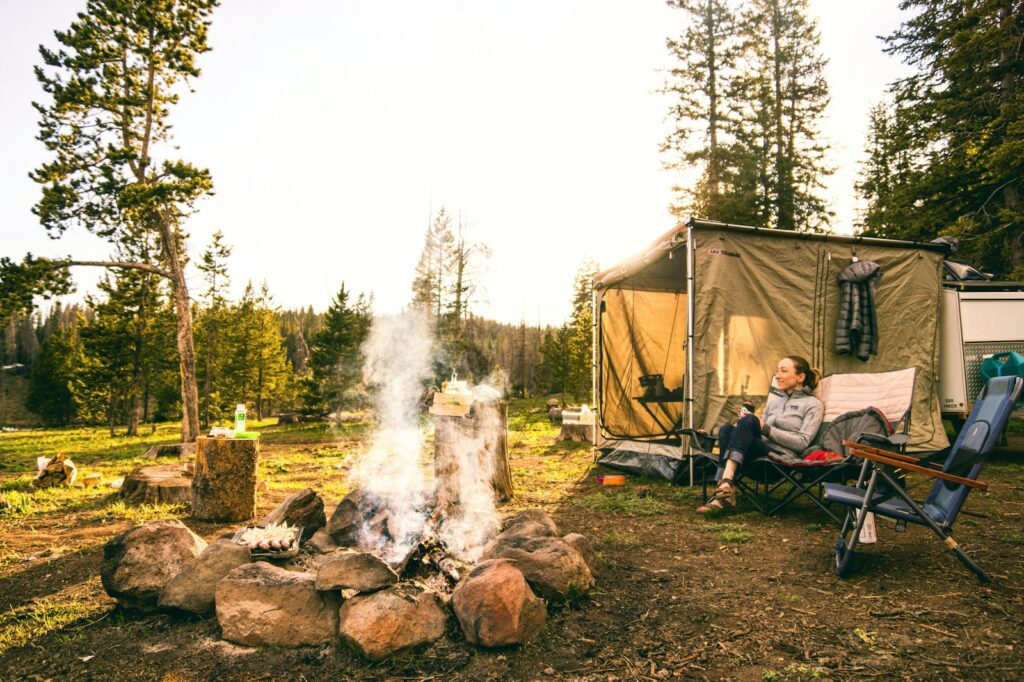
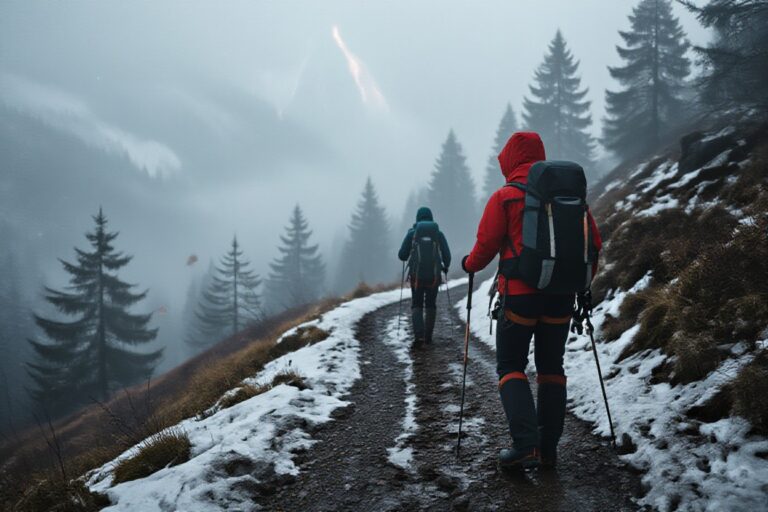
Against rapidly changing elements you should rely on a layered system: moisture-wicking base layers, insulating mid-layers, and a waterproof, breathable outer shell. Carry extra socks, a warm hat, and sturdy, weather-appropriate boots. Pack sun protection, a compact emergency shelter, and a sleeping bag rated below expected nighttime lows so you maintain core warmth and dry clothing.
Another important step is to test and tailor gear before your trip: fit layers for mobility, carry backup insulating pieces and repair supplies, and avoid cotton as it loses insulation when wet. You should pack spare batteries, fuel, a lightweight clothesline to dry garments, and practice quick drying techniques so you can recover warmth fast after exposure.
Responsible Camping Practices
Unlike treating wilderness as disposable, you adopt practices that protect ecosystems and keep you safe: pack out all trash, minimize campfire impact, store food securely to avoid wildlife encounters, use durable surfaces for tents, and follow camp-specific rules; when you act with respect and foresight you reduce hazards and preserve spaces for future trips.
Leave No Trace Principles
An emphasis on low-impact choices helps you leave campsites as you found them: plan ahead, travel and camp on durable surfaces, dispose of waste properly, leave what you find, minimize campfire effects, and be considerate of other visitors to protect wildlife and reduce safety risks for yourself and others.
Awareness of Local Regulations
The rules and permits for trails, fires, and wildlife interactions vary by area, so you check regulations before arrival, comply with seasonal closures, obtain required permits, and follow fire bans to avoid fines and lower risks to you and the environment.
Leave time to research park websites and contact rangers for updates on weather, trail conditions, and animal activity; you should also verify vehicle restrictions, camping zone boundaries, and emergency procedures so your trip stays legal and safer.
Summing up
As a reminder, you should plan routes and check forecasts, tell someone your itinerary, and pack imperative gear-first aid, extra layers, reliable navigation, water treatment, and lighting. Store food securely, manage fires safely, and treat water before drinking. Stay aware of terrain and wildlife, conserve energy, and carry a means of emergency communication so you can respond quickly and responsibly if conditions change.