How to Stay Safe While Camping Outdoors?
Just plan carefully and prioritize safety to reduce risks when you camp outdoors; pack proper gear, check weather and trail conditions, and carry a map, compass or GPS. Store food securely, practice fire safety, maintain clean camp hygiene, and know basic first aid. Inform someone of your itinerary, stay aware of wildlife and surroundings, and adjust plans if conditions become unsafe to keep yourself and companions protected.
There’s no substitute for preparation when you camp; by choosing safe sites, packing vitals, checking weather, practicing fire safety, and securing food, you reduce risks significantly. You should learn basic first aid, let someone know your route, follow local regulations, and keep wildlife at a distance. With disciplined habits and situational awareness, you can enjoy the outdoors while protecting yourself and your group.
Choosing a Safe Campsite
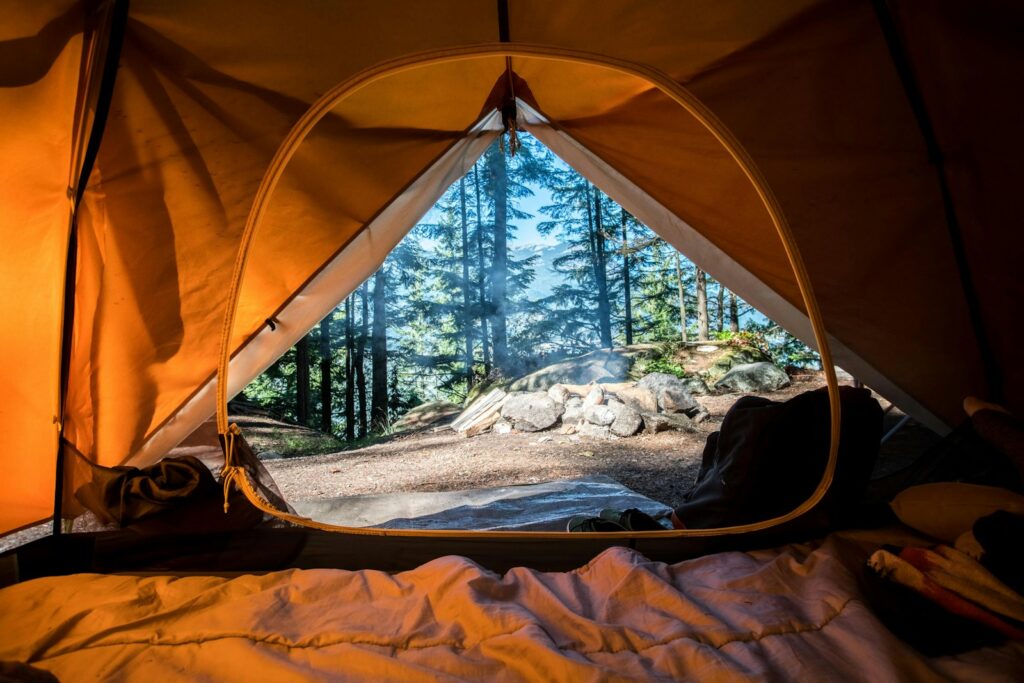
Before you set up camp, scout for level ground above known flood lines, avoid dead trees and loose rock, and assess exposure to wind and sun so you can stay sheltered and warm. Position your tent for quick exits, keep a clear path to water and trails, and minimize proximity to hazards that could threaten your safety overnight.
Assessing the Terrain
Among the factors you check are slope, soil firmness, and vegetation: pick flat, well-drained ground, avoid steep inclines or riverbanks prone to erosion, and steer clear of loose scree or cliff edges. Test the ground for stability, note potential rockfall or avalanche paths, and use natural barriers to shield your camp from prevailing winds.
Proximity to Water Sources
For access and safety, camp at a sensible distance from water: stay high enough to avoid rising levels and set up at least 60 meters (200 feet) away to reduce flooding risk, bugs, and contamination. Ensure you can reach water easily for cooking and hygiene, while locating your latrine and cooking area downhill and well away from your living space.
Indeed, you should treat any water before drinking-filter or boil it-to prevent illness, and store food and toiletries away from shorelines to deter wildlife. Be aware heavy rain upstream can raise water quickly, so monitor weather and topography; where possible, choose sites with multiple escape routes and avoid narrow canyons that funnel sudden flows.
Preparing for Your Camping Trip
While packing, you should create a checklist of shelter, food, water, first-aid, and navigation gear, verify weather and daylight hours, notify someone of your itinerary, and practice setting up your tent at home so you avoid surprises and stay safe on site.
Research Your Camping Location
Around the area, research rules, terrain, wildlife, water sources, cell coverage, and permitted fires; check park alerts and recent trip reports so you can choose a safe site and plan appropriate gear and precautions.
Plan Your Travel Route
To plan your route, map driving directions, note alternate roads, estimate travel time including stops, mark trailheads and permit offices, and share your route with an emergency contact so you can be located if plans change.
Indeed, you should download offline maps, carry a reliable GPS or compass, charge spare batteries, check road conditions and closures ahead of time, leave estimated arrival times with someone, and pack emergency supplies and vehicle tools to handle breakdowns or detours.
Making a Fire Safely
It is important that you follow local fire regulations, clear a wide area down to mineral soil, keep water and a shovel nearby, build small, controllable flames, keep tents and gear well back, and fully extinguish embers before you leave.
Fire Pit Setup
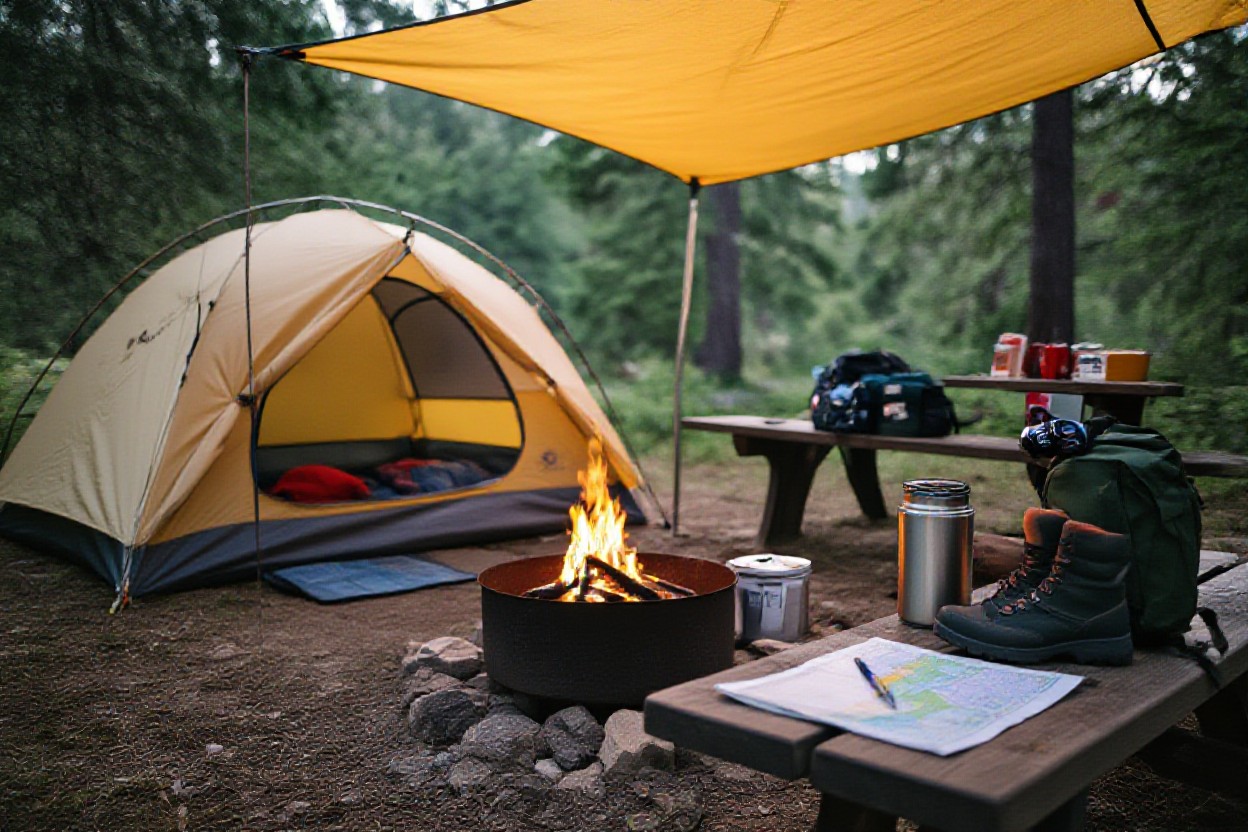
By using an established ring or digging a shallow pit you create a safer burn area; line the perimeter with nonflammable rock, remove overhanging branches and loose litter, position the pit away from your shelter and fuel stores, and store extra wood upwind.
Fire Safety Protocols
An effective protocol requires that you never leave a fire unattended, supervise children and pets at all times, avoid accelerants or high winds, limit fuel size so you can control it, and keep a clear plan for rapid extinguishing.
Fire safety means you douse embers thoroughly with water until hissing stops, stir ashes with a stick or shovel, feel for residual heat with the back of your hand from a safe distance, repeat dousing if warm, and only break camp when the site is cold to touch.
Essential Safety Gear
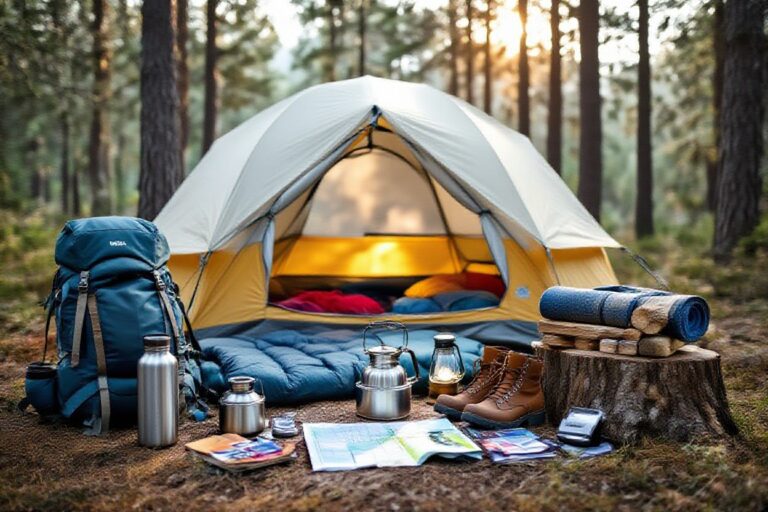
You must pack important safety gear before every trip: reliable shelter, weather‑appropriate layers, sturdy boots, a headlamp with extra batteries, firestarter, water treatment, a multitool, whistle, extra food, and navigational aids so you can respond to common hazards and reduce risk.
First Aid Kit
Below pack a compact first aid kit sized for your group and trip duration, with adhesive bandages, sterile gauze, tape, antiseptic wipes, blister care, tweezers, scissors, gloves, basic pain relievers and allergy meds, any prescriptions, and learn how to use each item before you go.
Emergency Communication Devices
About emergency communication, carry at least two methods – a charged cellphone with backup power and a satellite messenger or personal locator beacon (PLB); test devices, register them, keep them waterproofed, and make sure you and your companions know how to send a distress signal.
A satellite messenger or PLB transmits your coordinates without cell service, so you should conserve battery, practice sending SOS messages, program emergency contacts and trip details, and keep devices accessible to deploy immediately if you become injured or lost.
Food Safety While Camping
There’s a simple set of habits that will keep your food safe and your group healthy: cook foods to safe temperatures, cool perishable items promptly, wash your hands and utensils, and dispose of scraps and packaging properly. Use a food thermometer, separate raw and cooked items, and pack perishables in insulated coolers with ice or frozen blocks to limit bacterial growth.
Storing Food Properly
Below are practical steps you should follow: store your food and scented items in airtight containers or approved bear canisters, keep coolers closed and shaded, hang food at least 10 feet high and 4 feet from trunks when canisters aren’t used, separate raw meats from other items, and secure trash so pests cannot access your supplies.
Avoiding Wildlife Encounters
By eliminating odors and securing attractants you greatly reduce wildlife visits: never store food in your tent, cook and eat at least 100 feet from sleeping areas, clean cooking equipment immediately, freeze and pack out leftovers, and lock food in vehicles or canisters. If animals approach, keep your distance and avoid feeding or startling them.
Understanding animal behavior helps you respond safely: learn the common species in the area and how they behave, recognize signs like tracks or scat, keep your children and pets close, make yourself appear large if an animal approaches, back away slowly without turning your back or running, and report aggressive encounters to rangers so they can manage problem wildlife.
Campfire Safety
Some campfire precautions prevent accidents and wildfires: plan your fire site, keep flames small, clear vegetation and debris, maintain a water source and shovel nearby, supervise the fire at all times, and follow local fire regulations and weather advisories so you can enjoy the fire without endangering others.
Setting Up a Safe Fire Area
On level ground, choose a site at least 10 feet from tents, trees, and brush, remove leaves and twigs, create a rock ring or use a designated fire pit, and position water and a shovel within arm’s reach so you can quickly control sparks and embers.
Extinguishing a Campfire Properly
Campfire extinguishing demands you douse the fire completely: pour water until hissing stops, stir embers with a shovel, add more water and stir again, and ensure no heat or smoke remains before leaving the site.
To be certain the fire is out, repeat dousing and stirring until ashes are cool to the touch, then cautiously check for residual heat by holding the back of your hand at a safe distance; only scatter cold ash where allowed, and never depart while the fire still emits warmth.
Safety Gear and Equipment
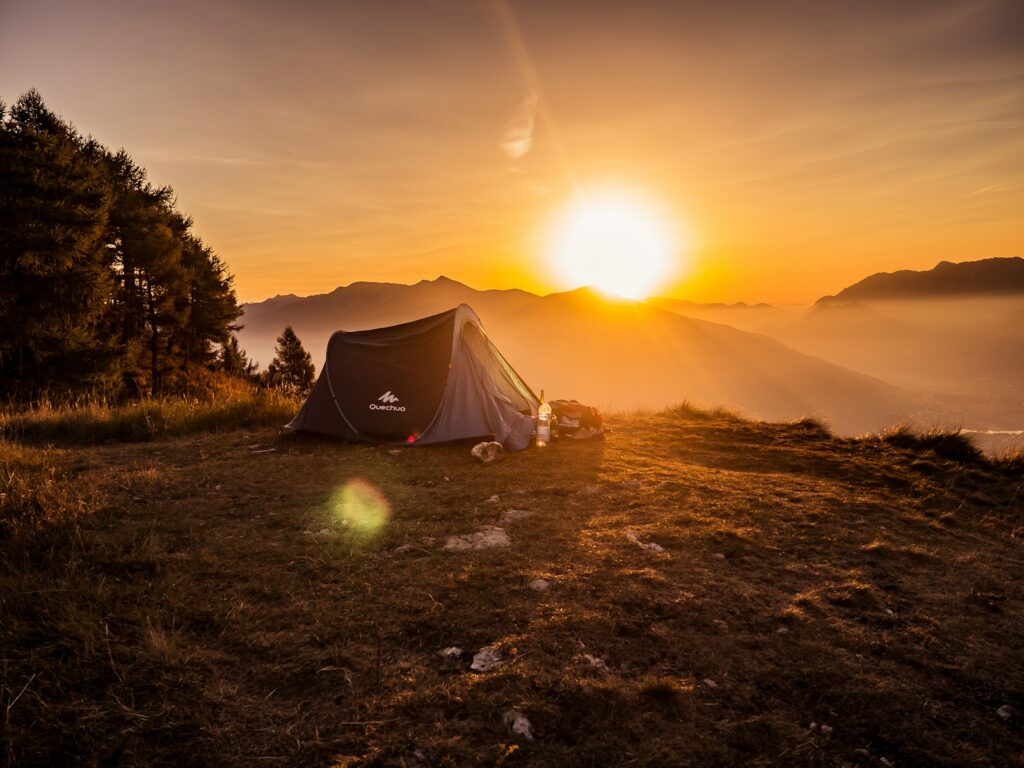
After you choose a route and check the forecast, outfit yourself with dependable safety gear: a weather-appropriate shelter, warm sleeping system, reliable stove, headlamp with spare batteries, multi-tool, whistle, navigation aids, and sturdy footwear. Test equipment beforehand, keep items dry and accessible, store food to deter wildlife, and arrange packs so emergency gear is reachable without unpacking everything.
Essential Gear Checklist
Above all, carry a map and compass or GPS, headlamp and spare batteries, emergency shelter, water filter or purification tablets, fire-starting kit, multi-tool, extra clothing layers, first aid kit, signaling device, and a charged phone or satellite communicator; organize these so you can access them quickly when needed.
First Aid Supplies
Along with standard bandages and antiseptics, you should pack sterile gauze, adhesive tape, blister treatment, tweezers, pain relievers, antihistamines, burn dressing, antiseptic ointment, personal medications, and disposable gloves in a waterproof container that you can reach during an emergency.
Indeed, tailor your first aid kit to trip length and group needs: include extra supplies for prescription medications, an epinephrine auto‑injector if someone requires it, a CPR mask, triangular bandage, splint material, and clear instructions; refresh training regularly so you can use each item confidently and replace expired medications before departure.
Wildlife Precautions
Unlike urban areas, the wilderness hosts unpredictable animals; you should maintain distance, avoid feeding wildlife, make noise to avoid surprising animals, secure your pets, and respect seasonal behaviors of local species.
Understanding Local Wildlife
Across the region you visit, learn which species are active, when they feed or breed, and which pose risks; consult park rangers, signage, and local guides, and adapt your route and schedule to minimize encounters.
Food Storage Techniques
Below you should employ bear-resistant canisters, hang your food at least 10 feet high and 4 feet out on a sturdy branch where appropriate, store your toiletries with food, and cook away from your sleeping area; keep campsites clean to avoid attracting animals.
In fact you can double-bag your scented items, use scent-proof sacks, lock perishables in your vehicle if allowed, clean cookware immediately, and inspect your storage each evening; following local storage rules reduces risk and protects wildlife.
Weather Preparedness
Keep a close eye on forecasts and pack layers, waterproofs, and a reliable shelter so you can adapt as conditions change; set up camp above flood-prone areas, secure loose gear, store food safely, and carry a charged phone, portable charger, and a weather radio so you can get updates and act quickly.
Understanding Weather Patterns
To read patterns, study local forecasts and learn how terrain affects wind and temperature-valleys trap cold and mountains spawn rapid storms; you should note cloud types, sudden pressure drops, and diurnal swings, use radar apps and official alerts, and check wind direction before pitching to reduce exposure.
Emergency Plans for Severe Weather
After severe-weather warnings, enact your plan: move everyone to the pre-identified shelter, secure loose items, shut off gas if advised, and keep your emergency kit, maps, and communication plan within reach; you must account for pets, check in with fellow campers, and follow official evacuation orders promptly.
Hence you should choose shelters that block wind and water-solid buildings or low, elevated ground away from stream channels-and avoid lone trees and ridgelines during lightning; if you are trapped in a vehicle, park off the road, set hazard lights, stay buckled, carry extra water, warm layers, and a whistle, and wait for emergency services or the official all-clear before moving.
Weather Considerations
Your safety outdoors depends on checking forecasts, packing for variability, choosing campsites sheltered from wind and flooding, and adjusting plans as conditions change; you should monitor real-time updates, set contingency routes, and carry appropriate shelter and insulation to respond to sudden storms.
Checking Weather Forecasts
An effective routine is to consult national forecasts, mountain-specific models, and local ranger reports, review radar and hourly trends, and note microclimate differences; you should check conditions within 24 hours of departure and again before setting up camp.
Preparing for Severe Weather
Among your preparations, pack waterproof shelter, layered insulation, a reliable communication device and extra power, identify high-ground escape routes, secure gear, and plan for lightning safety by avoiding ridgelines and isolated trees.
Weather threats require clear actions: if lightning occurs, move to lower, less exposed ground and avoid metal; for flash floods, relocate to higher ground and never camp in dry streambeds; pack emergency blankets, dry-change clothing, and signaling devices so you can stay warm, visible, and mobile.
Outdoor Wildlife Awareness
All wildlife can be unpredictable; you should learn local species, secure food in bear‑proof containers or hung caches, keep a clean camp, make noise while hiking, and avoid approaching or feeding animals to reduce encounters and keep both you and wildlife safe.
Common Wildlife Encounters
After you identify local fauna, expect animals like deer, raccoons, rodents, snakes, and potentially bears or mountain lions depending on region; know what attracts them-food, water, shelter-and adjust your habits to avoid drawing them to your campsite.
How to Handle Wildlife Situations
Below you should stay calm, back away slowly without turning your back, speak firmly, make yourself appear large, deploy deterrents such as bear spray or loud noise when appropriate, and contact rangers if an animal shows aggressive behavior.
Plus, adapt your response by species: for bears, hold your ground and use bear spray if it approaches; for mountain lions, maintain eye contact and assertiveness; for snakes, give space and seek immediate medical care for bites; always report dangerous encounters to park authorities.
Outdoor Navigation
For safe outdoor navigation you plan routes, check weather and daylight, learn basic map-and-compass skills, and carry both a physical map and a GPS device as backups; mark key waypoints, set turnaround times, and tell someone your route and expected return.
Using Maps and Compasses
Below you should orient maps to the terrain, read contour lines and scales, take and follow compass bearings, pace distances, and protect maps in waterproof cases; practice plotting routes and verifying positions using identifiable landmarks.
GPS and Navigation Technology
Maps and GPS complement one another: GPS gives real-time location, elevation and route recording, while you still need offline map downloads, extra batteries, and the skill to cross-check GPS readings against the map to avoid overreliance on electronics.
At high latitudes, dense canopy, or deep canyons GPS accuracy can degrade, so you should use a WAAS-enabled receiver when possible, carry spare power, update maps and firmware before trips, learn to set waypoints and track logs, and always verify electronic fixes with terrain features.
Summing up
Hence you should prioritize thorough planning, pack appropriate gear, practice fire and wildlife safety, secure food, monitor weather, stay on marked trails, and keep communication devices and a first-aid kit accessible; by maintaining situational awareness and following local regulations you reduce risks and can enjoy the outdoors with confidence.
To wrap up
Drawing together imperative safety habits, you should plan routes, monitor forecasts, pack adequate shelter, clothing and a well-stocked first-aid kit, store food securely to deter wildlife, follow fire and trail rules, keep a charged communication device, and tell someone your itinerary and expected return. By maintaining situational awareness and practicing basic navigation and emergency skills, you give yourself the best chance to handle incidents and enjoy the outdoors with confidence.