
Common Hiking Injuries and How to Prevent Them
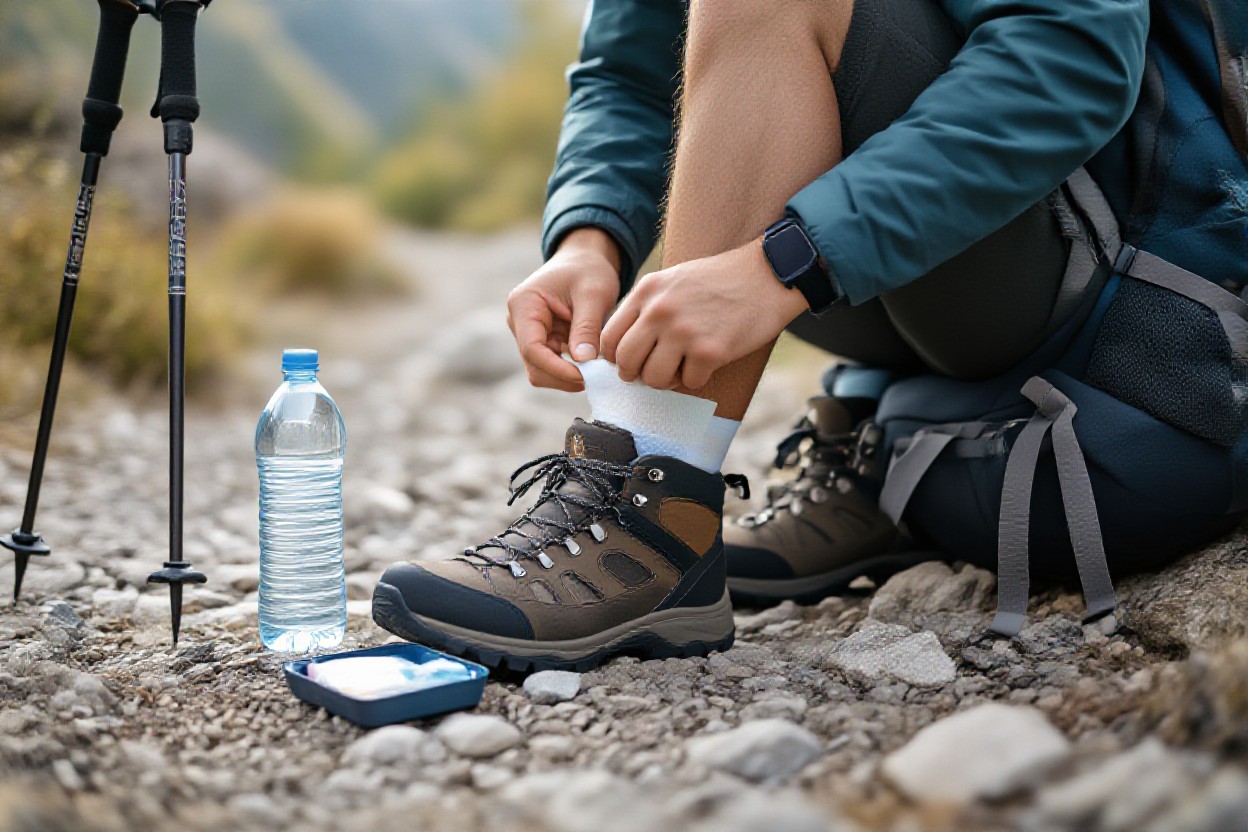
Just as you plan routes, protect your body by understanding what causes common hiking injuries and applying practical prevention: proper footwear, pacing, hydration, trail awareness, strengthening, and basic first-aid so you can hike confidently and reduce risk on every outing.
Common Hiking Injuries

A variety of injuries can interrupt your hike, from blisters and muscle overuse to sprains, fractures, and cuts; recognizing common problems and applying basic prevention helps you stay on trail, minimize recovery time, and keep hiking safely.
Sprains and Strains
For sprains and strains, sudden twists or repetitive stress can damage ligaments or muscles; you should strengthen ankles with balance exercises, wear supportive footwear, use trekking poles for stability, pace your mileage, and treat acute injuries with rest, ice, compression, and elevation.
Fractures
Among hiking injuries, fractures are less frequent but more serious; a bad fall, misstep on loose rock, or heavy impact can break bones, so you should immobilize the limb, avoid weight-bearing, protect the scene, and seek prompt medical evaluation or evacuation.
Considering prevention, you should route-plan to avoid steep or unstable sections, test handholds and footholds, keep your pack load balanced, move deliberately in poor visibility, and practice conservative pacing to reduce fall risk.
Cuts and Abrasions
Any cut or abrasion can become infected on the trail; you should stop bleeding, clean the wound with potable water or antiseptic, apply a sterile dressing, and monitor for increased pain, swelling, or drainage until you can reassess or seek care.
But deeper, heavily contaminated, or animal-bite wounds need professional attention: you should get sutures or antibiotics if indicated, confirm your tetanus status, and avoid applying unsterile materials that could introduce infection.
Preventative Measures
Some simple, consistent habits will lower your injury risk on the trail: plan routes within your fitness level, pace yourself, stay hydrated and fueled, check weather and terrain, and use proper gear so you can react to hazards and reduce repetitive strain during longer hikes.
Proper Footwear
Beside selecting footwear for terrain, you should prioritize fit, ankle support, and sole traction; wear moisture-wicking socks, break in boots on short walks, and adjust lacing to prevent heel slip or hotspots so your feet remain stable and blister-free over varied ground.
Stretching and Warm-Up Exercises
Before you start hiking, spend 5-10 minutes on a dynamic warm-up to raise your heart rate and mobilize joints; focus on leg swings, hip circles, and walking lunges so your muscles are primed and less prone to strains when the trail intensity increases.
Considering adding progressive movements-calf raises, single-leg balances, and gentle hamstring walks-to your routine; perform 8-15 reps per exercise and increase range gradually so your neuromuscular control improves and you handle uneven terrain with better stability.
Carrying a First Aid Kit
The kit should include adhesive bandages, sterile gauze, antiseptic wipes, blister treatment, tape, scissors, and basic pain relief so you can address minor wounds, blisters, and strains promptly and prevent small issues from becoming hike-ending problems.
A well-prepared kit is tailored to your route and skills: add a triangular bandage, SAM splint or elastic bandage, tweezers, emergency whistle, personal medications, and instructions so you can manage sprains or deeper injuries until professional help is available.
Recognizing Symptoms
Once again you should scan yourself and companions for signs of injury: swelling, impaired movement, numbness, severe pain, dizziness, or difficulty breathing; spotting these early lets you adapt pace, apply first aid, or evacuate, so you can prevent minor issues from becoming trip-ending problems.
Early Warning Signs
Behind subtle discomfort you may find overuse or strain: persistent ache, joint stiffness after rest, tingling, blisters forming, or gradual swelling; if you notice imbalance, increased effort, or pain that alters your gait, stop, assess your equipment and pacing, and treat minor issues before they escalate.
When to Seek Medical Attention
An injury requires professional care if you experience severe pain, visible deformity, inability to bear weight, loss of sensation, worsening swelling, open wounds, suspected concussion, fever with a wound, or signs of heat illness or hypothermia; in those cases arrange evacuation or emergency services rather than continuing the hike.
Recognizing escalation means tracking symptom progression over minutes to hours: increasing pain, spreading numbness, progressive weakness, breathlessness, persistent bleeding, or fever indicate deterioration; immobilize suspected fractures, control bleeding, keep the injured warm, and if symptoms worsen or fail to improve with first-aid within a short window, contact emergency services or get prompt professional evaluation.
Aftercare and Recovery

For effective aftercare and recovery you should monitor the injury, rest as needed, manage pain with appropriate medication or cold therapy, protect the area with splints or braces, and gradually reintroduce activity; prioritize sleep, balanced nutrition, and hydration to support tissue repair while watching for worsening signs that require professional attention.
RICE Method
Below apply RICE by resting the injured area, icing for 15-20 minutes every 2-3 hours during the first 48-72 hours, compressing with an elastic bandage to limit swelling, and elevating the limb above heart level; follow pain limits and begin gentle range-of-motion exercises as your symptoms permit to avoid stiffness.
Consulting Healthcare Professionals
Among reasons to see a professional are severe pain, inability to bear weight, visible deformity, numbness, loss of circulation, uncontrollable bleeding, or symptoms that don’t improve after 48-72 hours so you get accurate diagnosis and timely treatment.
In fact, when you consult a healthcare professional they can order imaging, rule out fractures or tendon tears, prescribe immobilization or rehab, provide wound care or antibiotics, and give a personalized recovery plan so you return to hiking safely and avoid chronic problems.
Safety Tips for Hikers
All of your hikes benefit from core safety steps to reduce injury risk:
- check weather, route, and daylight hours
- wear supportive footwear and appropriate layers
- carry navigation, first aid, and emergency shelter
- notify someone of your plan and expected return
Recognizing early signs of strain, blisters, hypothermia, or dehydration lets you act quickly and prevent worsening.
Planning Your Hike
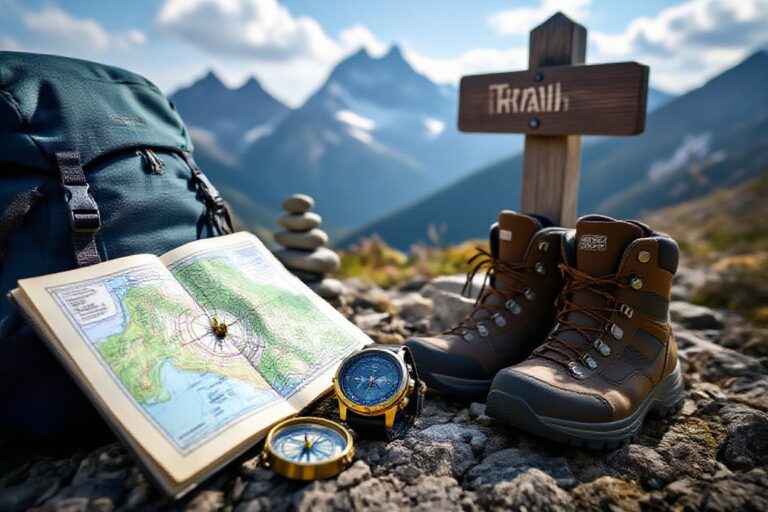
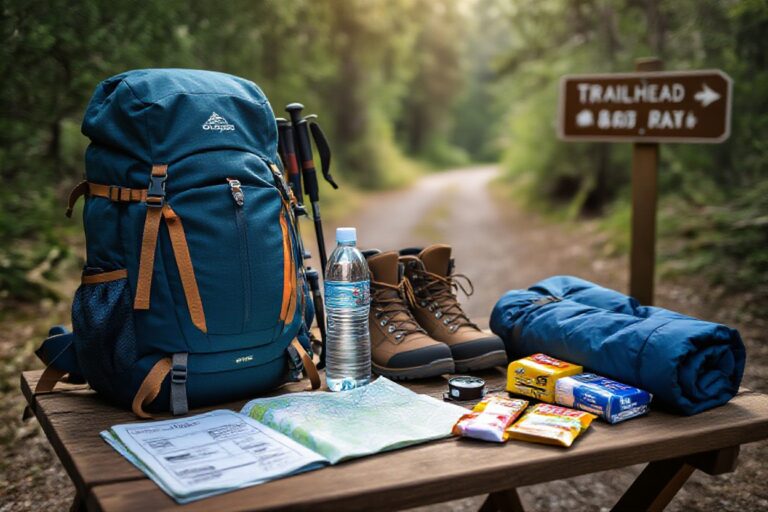
Across trail types, you should research difficulty, distance, and elevation gain, check forecasts, estimate time with breaks, pack maps and contingency supplies, and leave your itinerary with someone so you can adjust plans and avoid unnecessary risk.
Staying Hydrated
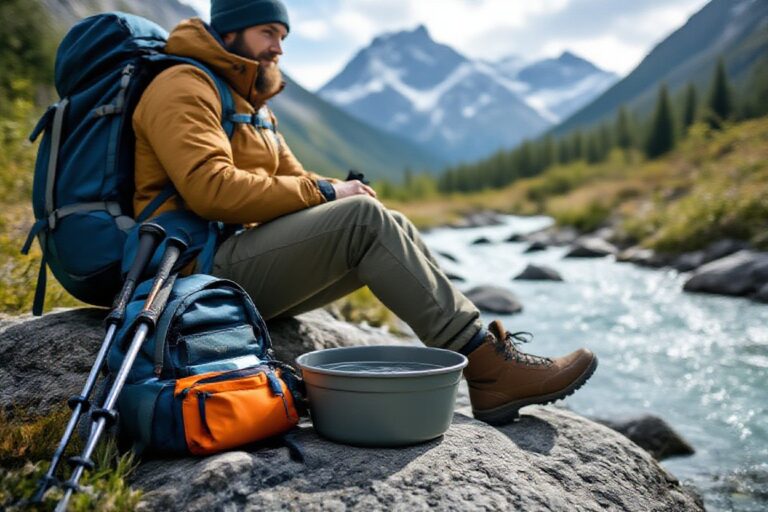
Against dehydration, you should sip water regularly rather than waiting until thirsty, carry sufficient water plus a margin, use a hydration system for easy access, and increase intake in heat or during heavy exertion to maintain performance and prevent cramps.
For instance, you can plan on roughly 0.5-1 liter per hour depending on temperature and effort, bring electrolyte tablets or saline snacks to replace minerals, scout reliable water sources and carry a purifier, and practice drinking schedules so you maintain steady hydration without overburdening your pack.
To wrap up
The best way to avoid common hiking injuries is to prepare physically, wear appropriate footwear, use trekking poles, pace yourself, and treat minor aches promptly; you should warm up, carry a basic first-aid kit, stay hydrated, and adjust loads to your fitness so blisters, sprains, strains and dehydration are less likely to sideline you on the trail.



One Comment