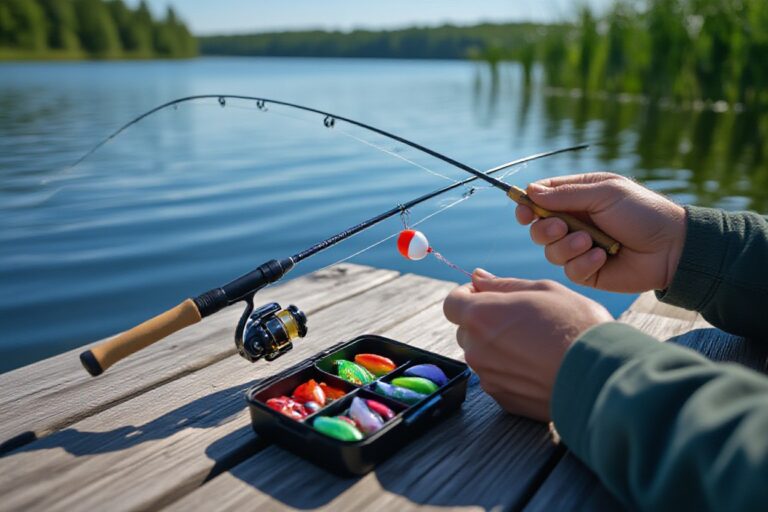
Ethical Fishing Practices Everyone Should Follow
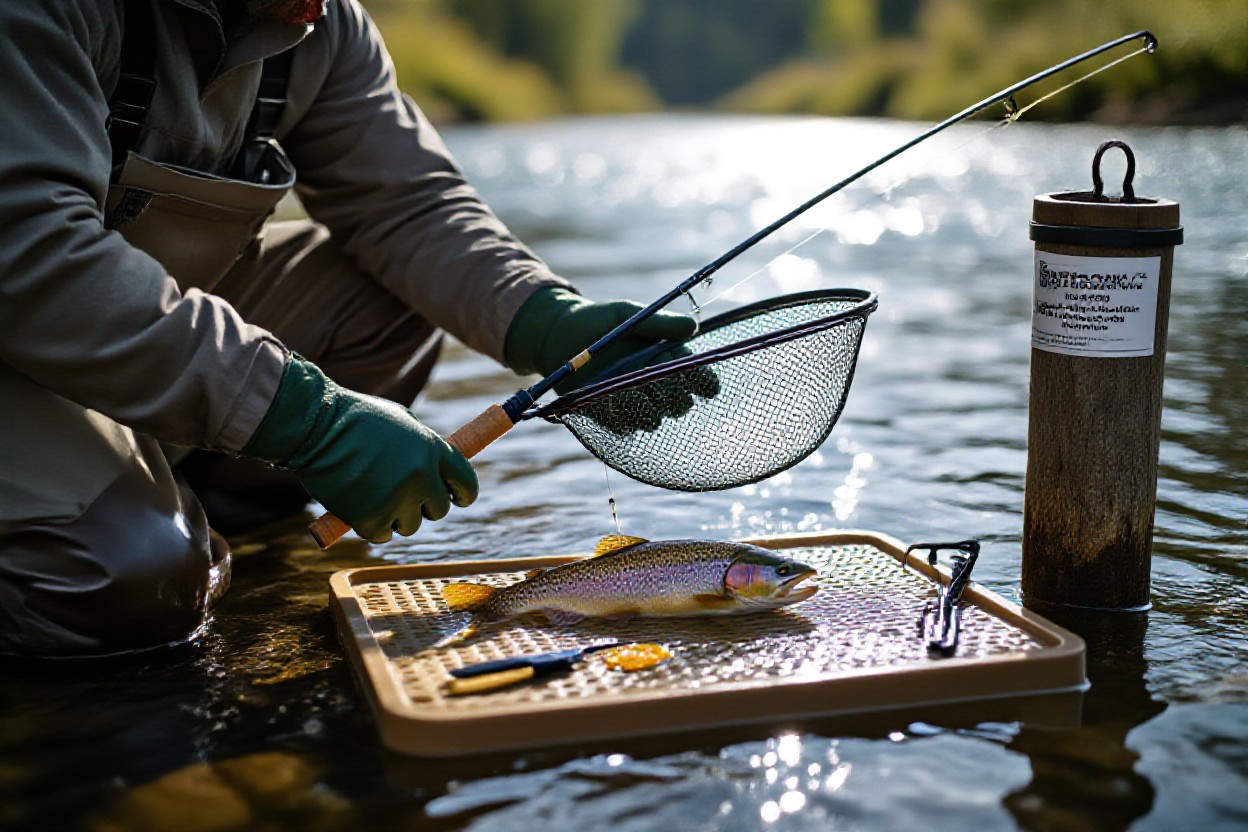
Ethical fishing means you follow regulations, respect seasonal and size limits, and choose gear that minimizes harm; you handle fish gently and use proper release techniques, avoid overfishing by taking only what you need, reduce bycatch and pollution, protect habitats, and support sustainable suppliers so your actions preserve fish populations and ecosystems for future anglers.
The Importance of Ethical Fishing
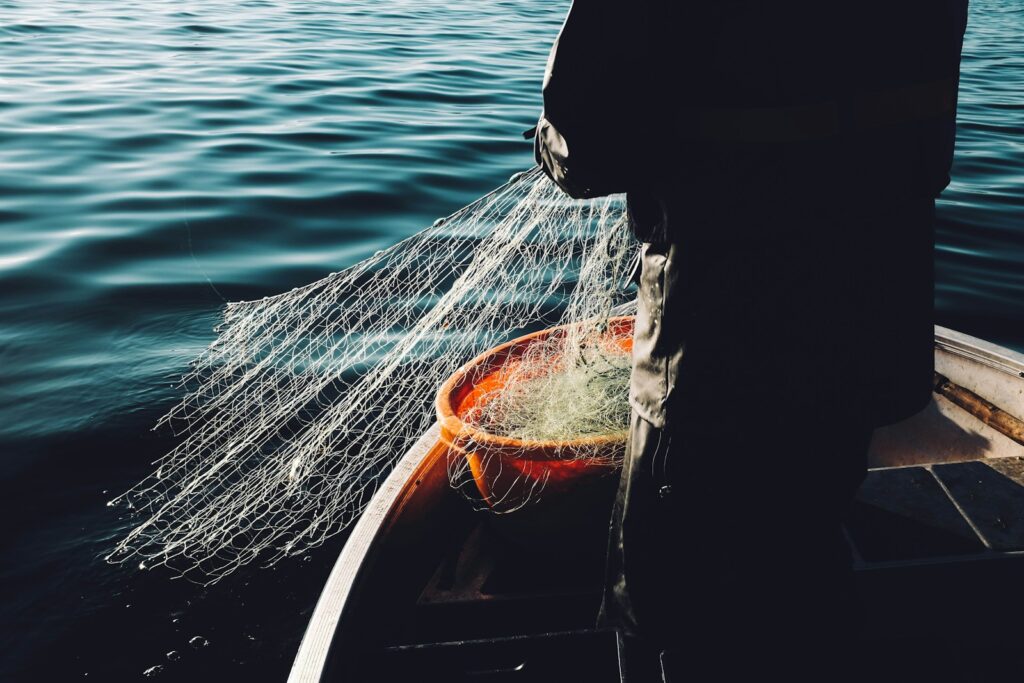
For you as an angler, ethical fishing protects fish populations, habitats, and the future of the sport; by following size and bag limits, practicing selective gear use, and handling catches carefully, you reduce mortality and help sustain ecosystems while fostering responsible stewardship that keeps fisheries productive and accessible for generations.
Environmental Impact
Any time you fish you interact with ecosystems, so using low-impact techniques, avoiding sensitive habitats, and minimizing bycatch preserves biodiversity and water quality, ensuring your actions don’t degrade spawning grounds or harm non-target species.
Social Responsibility
Any time you fish, you must respect regulations, share access, and support local conservation so your behavior sustains livelihoods, traditions, and equitable access for other fishers.
A deeper commitment means you engage with community education, report illegal or harmful practices, purchase sustainably sourced gear and seafood, and collaborate with local managers so your choices improve policy and protect future generations’ ability to fish.
Sustainable Fishing Techniques
Now you should prioritize methods that maintain fish populations and habitat integrity, using size and seasonal limits, habitat-friendly practices, and community-supported quotas so your fishing contributes to long-term ecosystem health and local livelihoods.
Catch and Release
Between using barbless hooks, wetting your hands, and minimizing air exposure, you can improve fish survival when practicing catch and release; prioritize gentle handling, fast unhooking, and releasing fish where they can recover safely.
Selective Fishing Gear
Beside using selective gear like circle hooks, escape vents, and species-specific nets, you should adjust mesh sizes and hook types so your gear targets intended species and reduces bycatch while protecting juveniles and non-target animals.
Release the idea that one-size-fits-all gear works; you can switch to biodegradable nets, acoustic deterrents, or time-area closures paired with gear modifications to further lower bycatch, ensuring your practices align with scientific guidance and local regulations.
Understanding Local Regulations
One you should learn local laws and ordinances that govern fishing where you go; know size and bag limits, gear restrictions, protected species, and no-take zones, consult official agency websites or local wardens, and adjust your plans so your fishing stays lawful and helps conserve habitat.
Licensing and Permits
With proper licenses and permits you stay compliant and support management: verify which permits apply to your species, waterbody, and residency status, carry documentation, obtain transient or special permits when required, and renew on time to avoid fines and fund conservation.
Seasonal Restrictions
Along seasonal closures you must adapt your trips to protect spawning and migration: check opening and closing dates, respect temporary area closures after storms or fish runs, and avoid disturbing breeding habitats so populations can recover and remain healthy.
Licensing agencies often publish seasonal restriction updates and emergency closures, so you should subscribe to alerts, review bulletins before each trip, and coordinate with local anglers to ensure your timing and methods align with conservation objectives.
Engaging with Local Communities
Many coastal and inland communities shape sustainable fisheries; when you engage, listen to local priorities, attend meetings, support community-led monitoring, and avoid one-size-fits-all solutions so your actions reinforce local stewardship and build long-term trust.
Supporting Local Fisheries
The most effective ways you can support local fisheries are buying local catch and paying fair prices, hiring local crews and processors, backing community-led enterprises, and advocating for policies that secure small-scale fishers’ access and livelihoods.
Involving Indigenous Practices
Beside modern techniques, you should learn and honor Indigenous seasonal rules, gear restrictions, and cultural protocols by seeking permission, deferring to custodians, and aligning your practices so they complement traditional stewardship.
Hence, to meaningfully involve Indigenous practices you must consult elders and knowledge holders, secure free, prior and informed consent, fairly compensate contributions, co-design monitoring and management plans, and protect traditional knowledge from misuse while adapting your methods to local ecological wisdom.
Reducing Bycatch
After planning your trip, you can reduce bycatch by choosing the right gear, fishing where target species are abundant, and practicing quick, careful release of non-target animals; use selective hooks, avoid high-bycatch seasons or areas, and report incidental catches so managers can adapt regulations to protect ecosystems.
Methods to Minimize Bycatch
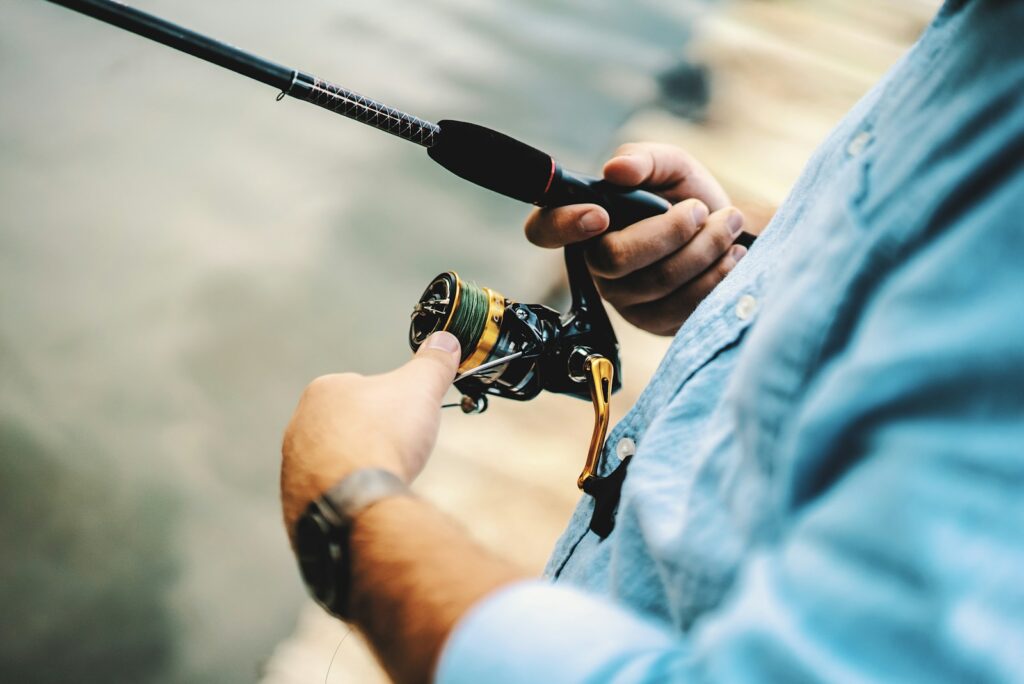
Bycatch reduction starts with the methods you choose: adopt circle hooks and non-offset hooks, use escape devices and excluder panels, set nets and lines at depths that match your target, employ acoustic or visual deterrents where legal, and follow handling protocols so you can release bycatch with minimal injury.
Choosing Sustainable Species
Between targeting abundant, fast-growing species and avoiding long-lived, slow-reproducing fish, you should prioritize species with healthy stock assessments; consult local catch limits, seasonal closures, and certified seafood lists so your choices support resilient fisheries and lower ecosystem impact.
Also, you can increase sustainability by checking regional seafood guides, asking suppliers about harvest methods and traceability, choosing locally-managed fisheries, favoring pole-and-line or handline-caught fish, and avoiding species listed as overfished or with high bycatch profiles to keep your harvest responsible.
Promoting Marine Conservation
Once again you can champion marine conservation by adopting sustainable techniques, reporting illegal activity, and supporting local protection zones; your consistent choices reduce pressure on fish stocks and habitats, influence policy through collective action, and set a standard within your community for ethical fishing that preserves ecosystems for future anglers.
Protecting Habitats
Behind healthy fisheries are intact habitats you safeguard by avoiding sensitive areas, using low-impact gear, and following seasonal closures; your vigilance prevents habitat degradation, helps juvenile fish mature, and maintains ecosystem functions that support long-term fish abundance.
Collaborating with Organizations
To maximize your impact, engage with conservation groups, local regulators, and academic projects so you can contribute data, volunteer for habitat restoration, and promote community education that aligns fishing practices with scientific guidance.
Promoting partnerships lets you access training, gear, and monitoring programs, enabling you to adopt best practices, contribute citizen-science observations, and influence policy through organized advocacy while ensuring your efforts are informed by up-to-date research and scalable across communities.
Conclusion
Considering all points, you should follow ethical fishing practices by respecting size and bag limits, using selective gear to reduce bycatch, releasing undersized or protected species carefully, minimizing habitat damage, and reporting illegal activity. Your actions protect fish populations and ecosystems, ensuring sustainable fisheries for yourself and future generations.