Common RV Problems New Owners Face

Over time, you’ll face electrical faults, plumbing leaks, roof and seal failures, battery and charging issues, and tire or brake wear; knowing how to inspect your systems, maintain components, and identify warning signs lets you reduce downtime, control repair costs, and enjoy safer, smoother trips.
Common Mechanical Issues

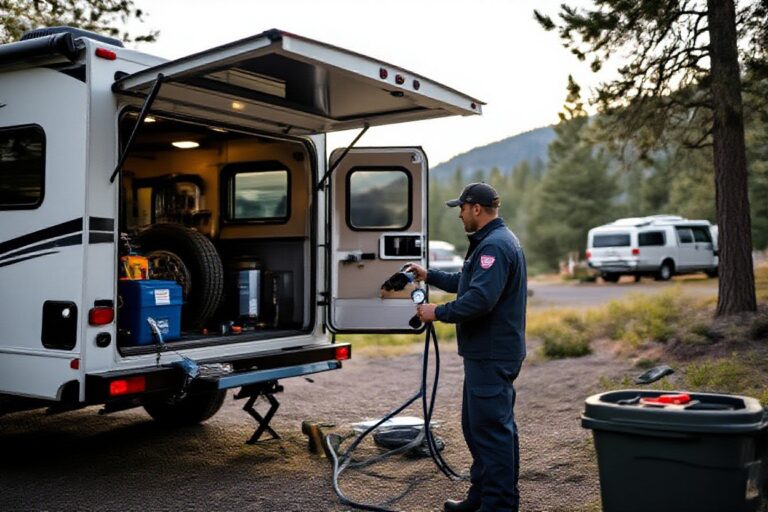
Before you drive regularly, inspect brakes, suspension, wheel bearings, electrical systems and fluid levels; small mechanical issues often escalate quickly, so you should develop a routine maintenance checklist and address unusual noises, leaks, or warning lights to keep your RV safe and reliable.
Engine Troubles
Mechanical problems like overheating, misfires, poor fuel economy, or excessive smoke often arise from neglected coolant, belts, hoses, spark plugs, filters, or fuel system components; you should monitor gauges, perform regular tune-ups, and act on warning signs promptly to avoid breakdowns and costly repairs.
Transmission Problems
By spotting slipping gears, delayed engagement, abnormal noises, or fluid leaks early, you can reduce the risk of major transmission failure; you should check fluid level and color, avoid aggressive shifting, and arrange professional diagnostics when shifting feels rough or inconsistent.
Even when fluid appears normal, internal wear, torque converter faults, valve body issues, or electronic control problems can degrade performance; you should request pressure tests and electronic scans, follow manufacturer service intervals, and address subtle symptoms before they become severe.
Electrical System Challenges
It can be overwhelming when your RV’s electrical system misbehaves; you rely on shore power, the converter, inverter, and batteries to run appliances and safety systems, so you need to diagnose voltage drops, poor grounding, and charging faults quickly, carry basic test tools, and develop a routine inspection to prevent surprises on the road and protect sensitive electronics.
Battery Issues
Against assumptions that batteries last without care, your batteries degrade from undercharging, overdischarging, heat, and long storage; you should monitor state of charge, keep terminals clean, equalize flooded cells when appropriate, and choose the right battery type and charging profile to maximize life and avoid being stranded with insufficient power.
Wiring and Fuse Failures
Against the idea that fuses and wiring are low-maintenance, corrosion, loose connections, vibration, and rodent damage commonly cause intermittent faults; you should inspect fuse panels, tighten terminals, replace brittle wiring, and label circuits so you can trace problems quickly and maintain safe operation.
It helps to troubleshoot methodically: isolate the affected circuit, use a multimeter to check continuity and voltage, look for heat discoloration or melted insulation, test grounds, and replace fuses with the proper rating; when wiring damage is extensive or you encounter 120V faults, have a qualified technician correct the issue to protect you and your RV.
Plumbing Concerns
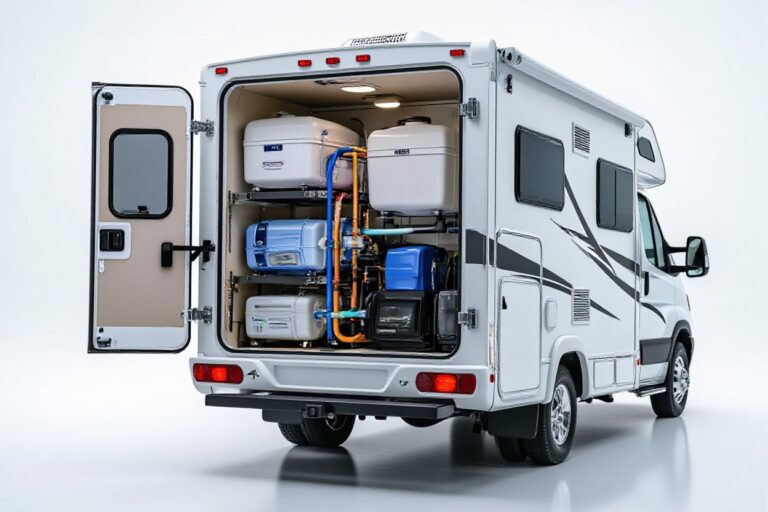
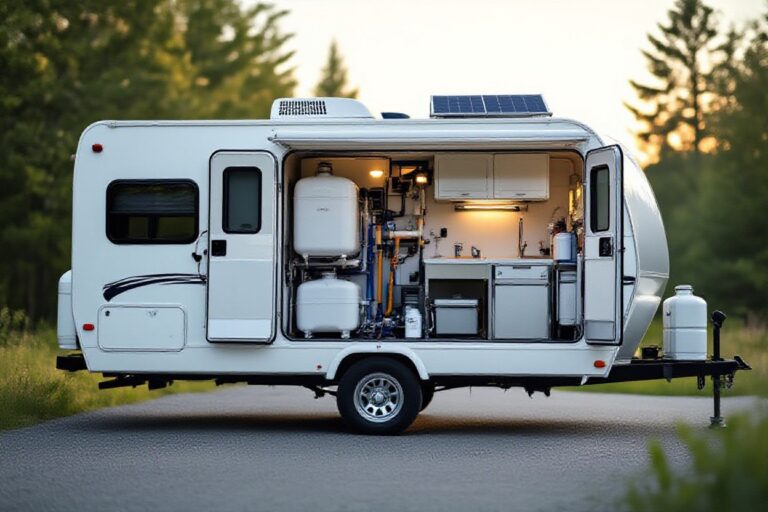
There’s a long list of plumbing issues new RV owners face – leaks, low water pressure, clogged drains, failing pumps, and freeze damage can all cut a trip short. You should routinely inspect hoses, fittings, tanks, and valves, winterize when temperatures drop, and address odors or backups immediately to protect your fresh water and avoid expensive repairs.
Leaky Pipes
Leaky pipes commonly originate from loose fittings, worn hose clamps, or cracked tubing after freezing; you may see damp cabinets, drips, or unexplained low tank levels. You should tighten or replace fittings and clamps, swap damaged sections of tubing, pressure-test the system after repairs, and call a pro if corrosion or hidden leaks suggest larger failures.
Water Heater Malfunctions
At the top of water-related complaints is the RV water heater: you might experience no hot water, erratic temperatures, or leaks around the relief valve. You should check power or propane supply, breakers, bypass valves, and the anode; replace failed elements or thermostats and stop using the unit if you suspect a gas leak until a technician inspects it.
For instance, to diagnose a no-heat condition you can verify 120V power or propane flow, inspect the bypass valve position, drain and flush sediment from the tank, and test the heating element with a multimeter; always follow the manufacturer’s relighting and safety steps and engage a licensed technician for gas-system work.
Appliance Failures
Keep a regular maintenance routine for your RV appliances-faulty wiring, blocked vents, and worn seals often cause failures in water heaters, stoves, and refrigerators. You should inspect connections, test power modes, and carry basic fuses and tools so you can troubleshoot on the road. When issues persist, shut off the appliance and contact a qualified RV technician to prevent damage or safety risks.
Refrigerator Troubles
At the first sign of warm spots, frequent cycling, or strange noises, check your refrigerator’s power source, level position, and ventilation. You should verify 12V, 120V, and propane operation, clean coils, and inspect door gaskets. Simple maintenance prevents spoilage, and persistent cooling problems mean you need a professional diagnosis to repair the cooling unit or address leaks.
Air Conditioning Problems
By routinely cleaning filters, clearing condensate drains, and checking electrical connections you reduce the risk of AC failures during hot trips. You should test the thermostat, inspect the condenser coil, and carry basic supplies like replacement filters and a small fan. For refrigerant issues or compressor faults, plan on professional service rather than improvising repairs.
Another common issue is frozen evaporator coils caused by low refrigerant or restricted airflow; you should power down the unit to thaw and inspect filters and airflow paths. Low refrigerant usually indicates a leak that requires certified repair, and attempting to add refrigerant yourself can be unsafe and noncompliant with regulations.
Tire and Suspension Problems

Not maintaining proper tire pressure, alignment and suspension upkeep puts your RV at risk of blowouts, poor handling and reduced fuel economy; you should inspect tires regularly, check suspension components for wear, and address issues promptly to keep your rig safe and roadworthy.
Tire Wear
Along with age and road conditions, improper inflation, misalignment or imbalance causes uneven tire wear that shortens tread life and raises blowout risk; you should monitor tread depth, rotate tires per the manufacturer schedule, verify inflation for your load, and replace tires showing cupping, feathering or sidewall damage.
Suspension System Issues
Among common problems are worn shocks, broken springs, degraded bushings and loose fasteners that produce sagging, excessive bounce, nose-diving under braking and steering instability; you need to inspect mounts, listen for clunks, and service or replace components to restore stable handling.
Suspension inspections should include checking shock absorbers for leaks, spring sag, shackle and bushing wear, and frame mounts; you can perform basic visual checks but have a mechanic measure ride height and test damping, and if you tow frequently, consider upgrading to heavy-duty components to match your payload.
Safety and Maintenance Oversights
Despite your excitement, overlooking routine inspections and small repairs puts you at greater risk on the road and can quickly turn minor issues into costly failures; by keeping a steady schedule for tires, seals, batteries, and fluids you protect your safety, comfort, and the resale value of your RV.
Neglecting Regular Maintenance
Around seasonal changes and long trips you must follow a clear maintenance routine-checking tire pressure and tread, testing brakes, inspecting roof seals, servicing appliances, and maintaining batteries-so you avoid leaks, electrical faults, and mechanical breakdowns that could strand you.
Ignoring Safety Equipment
Safety devices like smoke and CO detectors, fire extinguishers, propane shutoffs, and emergency exits only protect you when they are installed correctly, tested regularly, and replaced according to manufacturer guidance.
This requires monthly testing, timely battery and device replacement, checking extinguisher pressure and expiry, practicing emergency procedures with companions, and logging inspections so you can act immediately and confidently if a hazard occurs.
Conclusion
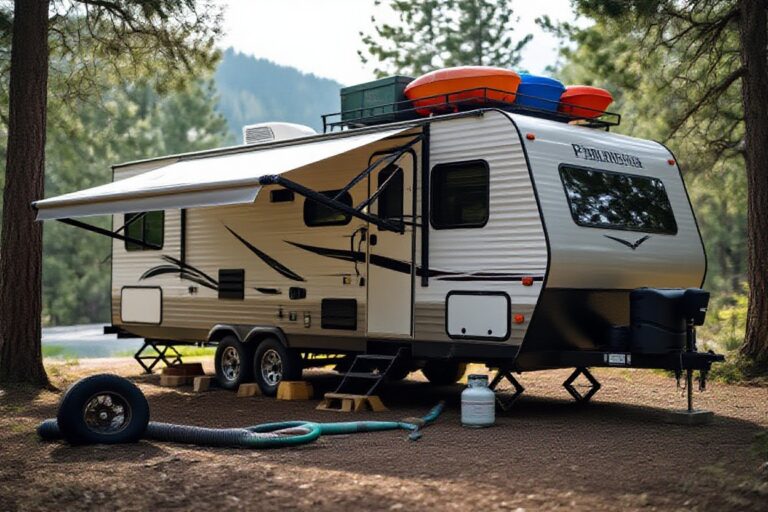
Conclusively, as a new RV owner you should prioritize regular maintenance, learn basic electrical, plumbing, and tire care, and inspect seals and roof for leaks to prevent costly damage; maintain battery and propane systems, master proper loading and leveling, and keep emergency tools and a trusted mechanic contact so you can handle common failures confidently on the road.