Common Camping Mistakes and How to Avoid Them
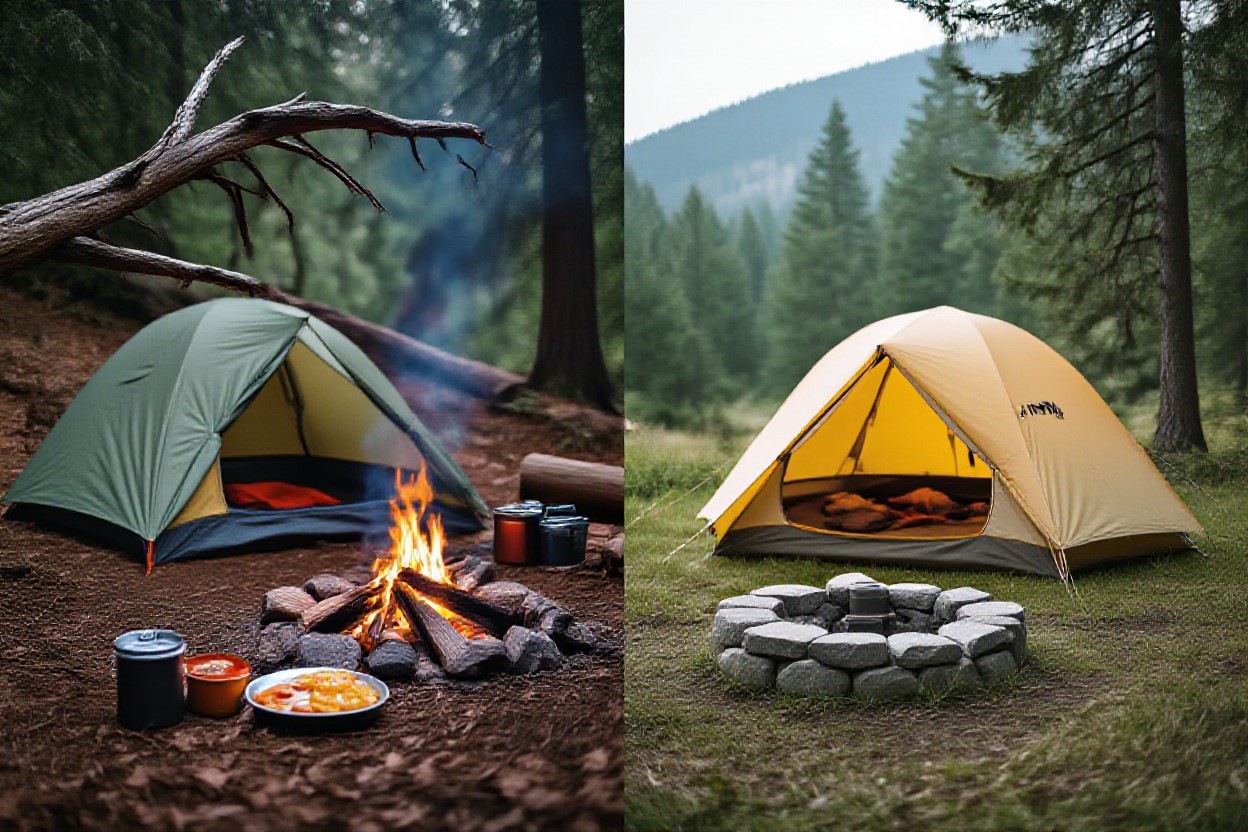
Overpacking, neglecting to check weather forecasts, and skimping on shelter basics are common mistakes that compromise your comfort and safety; you can prevent them by prioritizing lightweight necessarys, testing gear before you go, planning meals, and setting a weather-based contingency.
You should also practice pitching your tent, manage campfire safety, and pack a layered clothing system so you stay prepared for changing conditions.
Inadequate Preparation
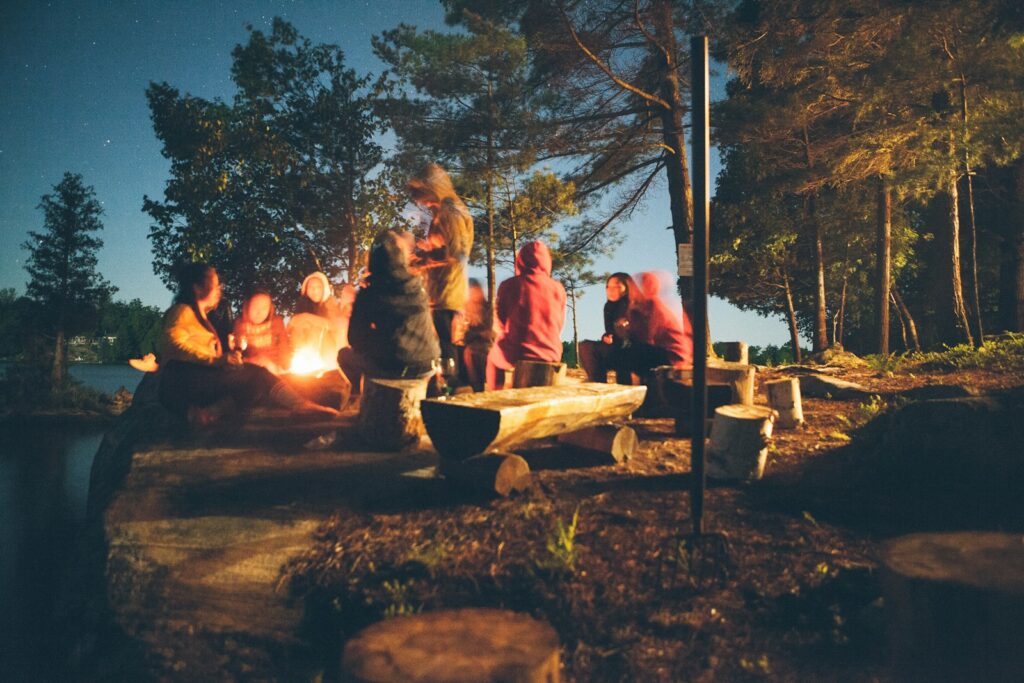
Your trip quality and safety hinge on proper prep: check weather and trail conditions, secure permits, confirm route and emergency plans, and test gear so you avoid delays, cold or wet nights, and unnecessary hazards that turn an outing into a rescue.
Planning Your Trip
Against improvising, you should outline a clear itinerary, estimate travel times, verify access rules, notify someone of your plan, and build flexible contingencies so you can adapt to weather, trail changes, or unexpected delays without compromising safety.
Packing Essentials
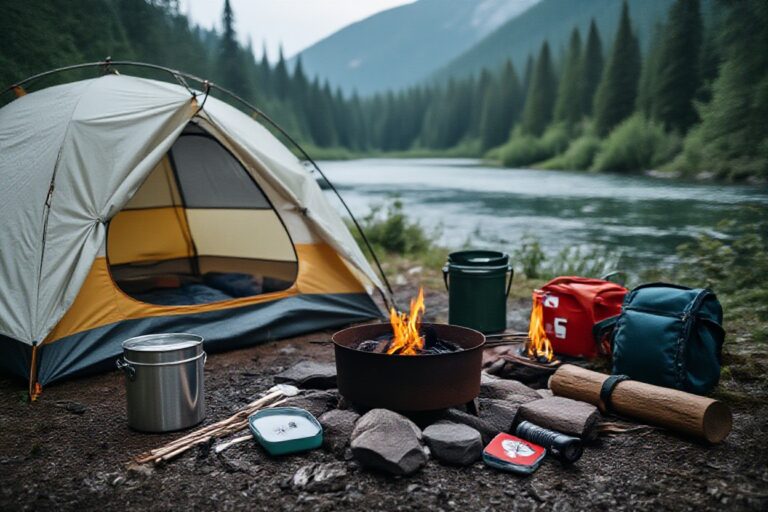
Among the items you pack, prioritize a reliable shelter, layered clothing, navigation tools, water filtration, a basic first-aid kit, a stove and fuel, headlamp with spare batteries, and repair supplies to keep you self-sufficient on the trail.
At gear-check time, you should lay everything out, test tent and stove, replace worn items, waterproof packs, consolidate small items into labeled bags, and balance load in your pack so you avoid surprises and reduce fatigue on long approaches.
Poor Campsite Selection
Any campsite you pick shapes your safety and comfort; you should avoid low-lying areas, spots under dead branches, and steep slopes that collect water or funnel wind. Choose a flat, durable surface away from fragile vegetation and trails, maintain distance from water sources to reduce flooding and wildlife encounters, and follow local rules so your site supports both you and the natural environment.
Understanding the Environment
Among the factors you must assess are drainage patterns, prevailing winds, sun exposure, and local wildlife activity; inspect soil stability and vegetation to avoid erosion-prone or marshy spots. Consider seasonal changes-snowmelt and monsoon rains alter risk-and scout for natural shelter or hazards like loose rocks, insect nests, or signs of recent animal use before you set up camp.
Safety Considerations
To keep you and your group safe, position your tent out of flood zones and away from dead trees or overhanging limbs, secure food at a safe distance to deter animals, and set cooking and fire areas downwind and well away from sleeping spaces. Keep an emergency exit route clear and ensure someone knows your planned location and timeline.
But you should also evaluate access for rescue, check cell or satellite coverage when possible, and mark trip hazards around your site; anchor tarps and gear against wind, store fuel safely, and space tents to limit fire spread and preserve privacy while maintaining quick egress in an emergency.
Neglecting Safety Protocols
Some campers skip planning and ignore established safety protocols; you can prevent accidents by checking weather, sharing your itinerary, carrying a first-aid kit, and learning map-and-compass or GPS skills. Keep your gear maintained, set clear boundaries with group members, and enforce campsite rules like no solo night hikes. If you follow protocols, you reduce risk and respond calmly to emergencies.
Fire Safety
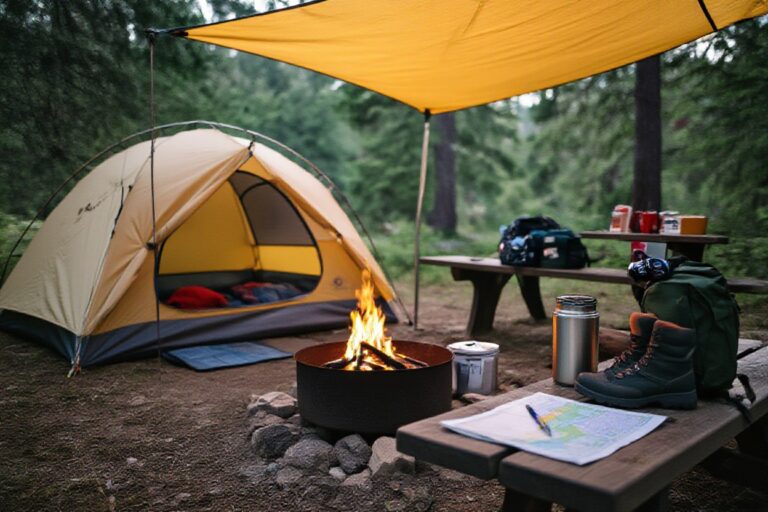
Beside following local fire bans, you must build fires in designated rings, clear flammable debris, keep water and a shovel nearby, and fully extinguish coals until cold to the touch; never leave fires unattended and avoid burning trash or accelerants.
Wildlife Precautions
Among wildlife risks, you must store food in bear boxes or hung bags, secure scented items, cook away from sleeping areas, and avoid approaching or feeding animals; learn species-specific behavior and carry deterrents like bear spray where required.
Consequently, if you encounter wildlife, stand your ground, make yourself appear larger, back away slowly without turning your back, use noise to deter curious animals, and report aggressive sightings to rangers; your calm, informed actions protect both you and local fauna.
Improper Food Handling
Now mishandling food at camp leads to spoilage, pests, and illness, so you must plan, separate perishables, and monitor temperatures to keep meals safe. Pack perishables in well-insulated coolers with ice packs, clean utensils promptly, and avoid leaving food exposed. Your actions determine whether the trip stays enjoyable or ends with preventable foodborne problems.
Storage Solutions
With proper storage you protect food from wildlife and contamination; use airtight containers, odor-proof bags, and a bear hang or locker when available. Keep coolers shaded, replenish ice, place raw items below ready-to-eat foods, and label perishables so you use them in the right order.
Cooking Techniques
On the stove or over a fire, cook foods to safe internal temperatures, avoid undercooking dense meats, and use separate utensils for raw and cooked items to prevent cross-contamination. Maintain a clean prep area and cover food while cooking to reduce pests and splatter.
Indeed, you should target internal temperatures like 165°F (74°C) for poultry, 160°F (71°C) for ground meats, and 145°F (63°C) for whole cuts, using a thermometer to verify. Reheat leftovers to at least 165°F, cool perishables quickly, and wash hands and surfaces between tasks to keep your meals safe.
Overpacking and Underpacking
To avoid being weighed down or left exposed, you should plan by prioritizing crucials, checking weather, and packing versatile layers; aim for quality over quantity and test your pack at home so you know what to trim or add before you head out.
Balancing Gear
Along with weight limits, you should choose multi-use items, distribute heavy pieces close to your back, and place frequently used gear for quick access, so your load feels stable and you can move efficiently on varied terrain.
Assessing Needs
After defining trip length, season, and the skills of your group, you should make a concise checklist that separates mission-critical items from luxuries and allows for contingencies like a sudden storm or delayed return.
Another step you should take is testing gear in short outings to confirm fit and function, tallying redundant critical items (first aid, navigation, light), and planning food and water margins so you can adapt if conditions change or someone in your party needs extra support.
Ignoring Weather Conditions
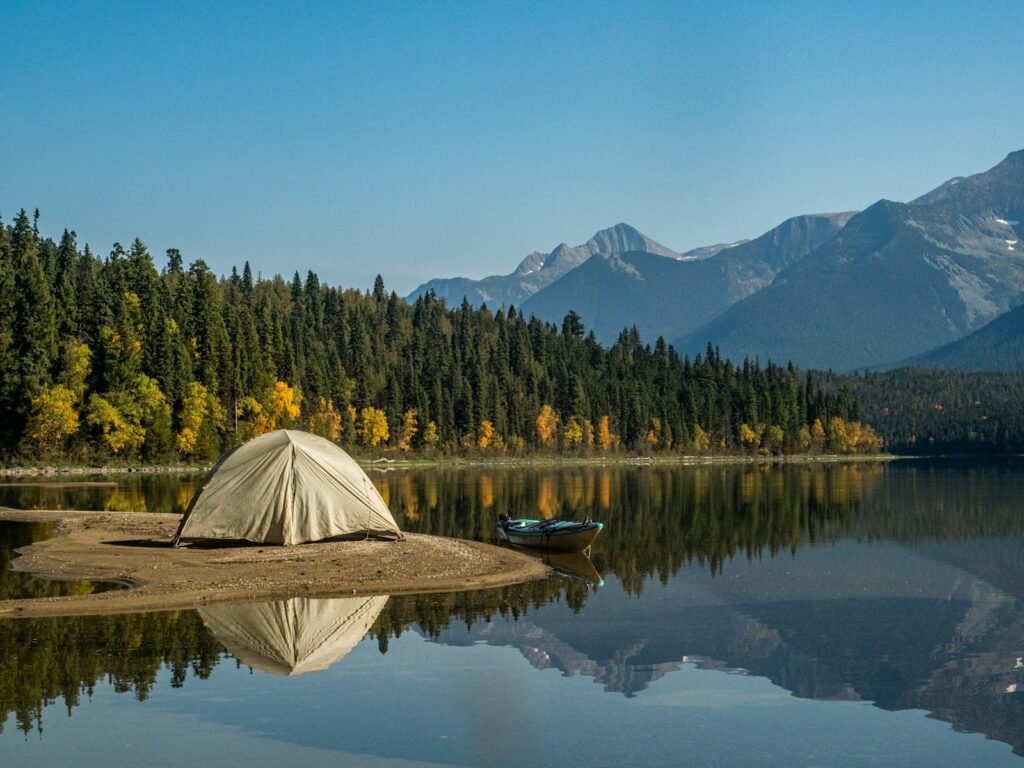
Unlike assuming stable skies, you must check forecasts and trends before you go and while you camp; failing to do so leads to soaked gear, hypothermia, or stranded routes. You should pack weather-appropriate layers, a reliable shelter, and contingency plans so you can adapt your route and timing to protect your safety and trip enjoyment.
Understanding Forecasts
Above all, you need to interpret forecasts beyond simple icons: read hourly predictions, precipitation probability, wind speed, and temperature trends for your elevation; distinguish between advisories, watches, and warnings; consult local sources and multiple models so you can judge confidence and plan where and when to set up camp.
Preparing for Emergencies
On top of standard supplies, you should carry an emergency kit with a layered shelter, extra food, water purification, a first-aid kit, fire-starting tools, and reliable navigation and signaling devices; file your route with someone, set check-in times, and practice basic survival skills so you can respond calmly if conditions worsen.
Weather shifts can isolate you quickly, so you should layer gear, carry a shelter rated for expected wind and precipitation, pack a compact stove and extra fuel, know basic hypothermia treatments, and have redundant communication (satellite messenger or personal locator beacon) so you can signal for help when cell service fails.
Final Words
Presently you can avoid common camping mistakes by planning routes and checking weather, testing and packing your gear, and setting up camp before dark; you should bring layers, extra food, a reliable light, and bear-safe storage, practice safe fire and campsite hygiene, and leave no trace so your trip is safe, comfortable, and repeatable.