
Basic Fishing Safety Rules Everyone Should Follow
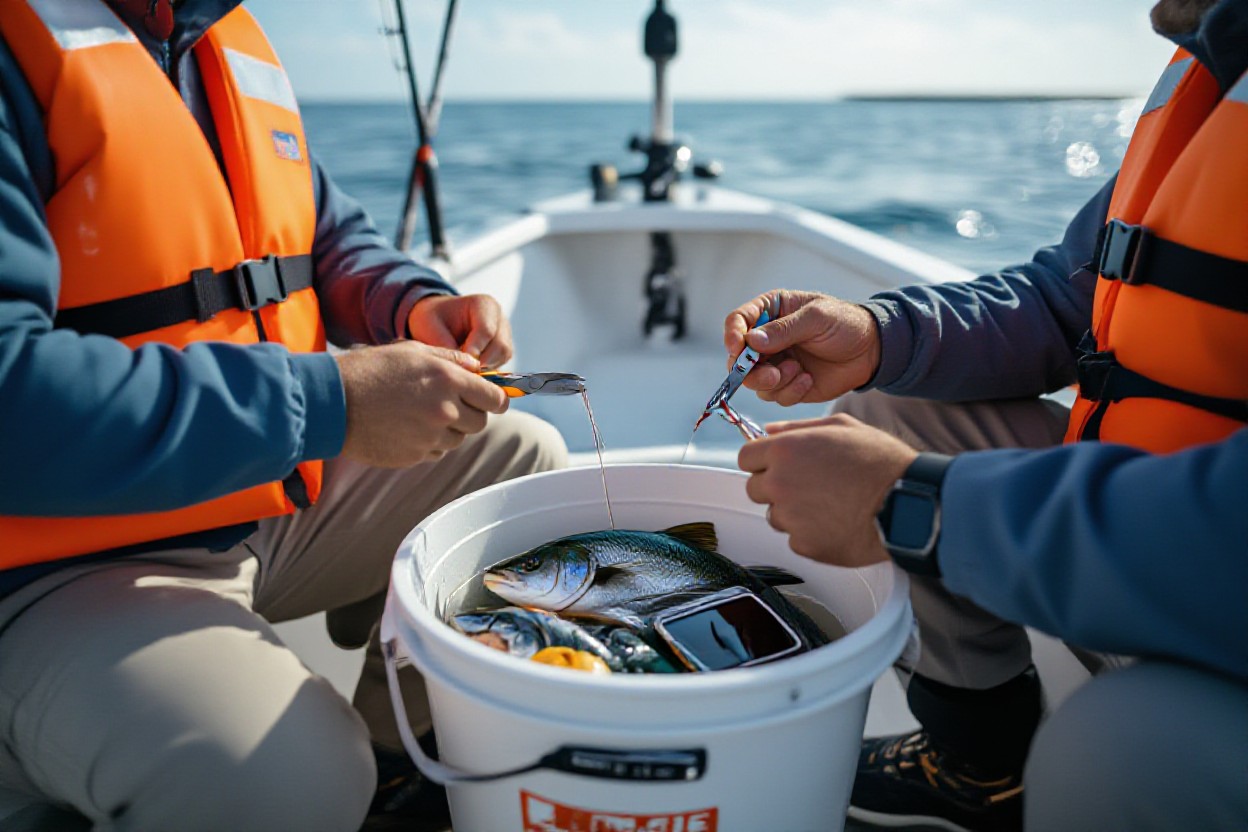
There’s no substitute for preparedness when you head out to fish; you should wear a life jacket, check weather and water conditions, secure hooks and knives, practice safe casting, and keep a first-aid kit and communication device on hand so you can respond to emergencies and protect yourself and others.
Equipment and Gear Safety
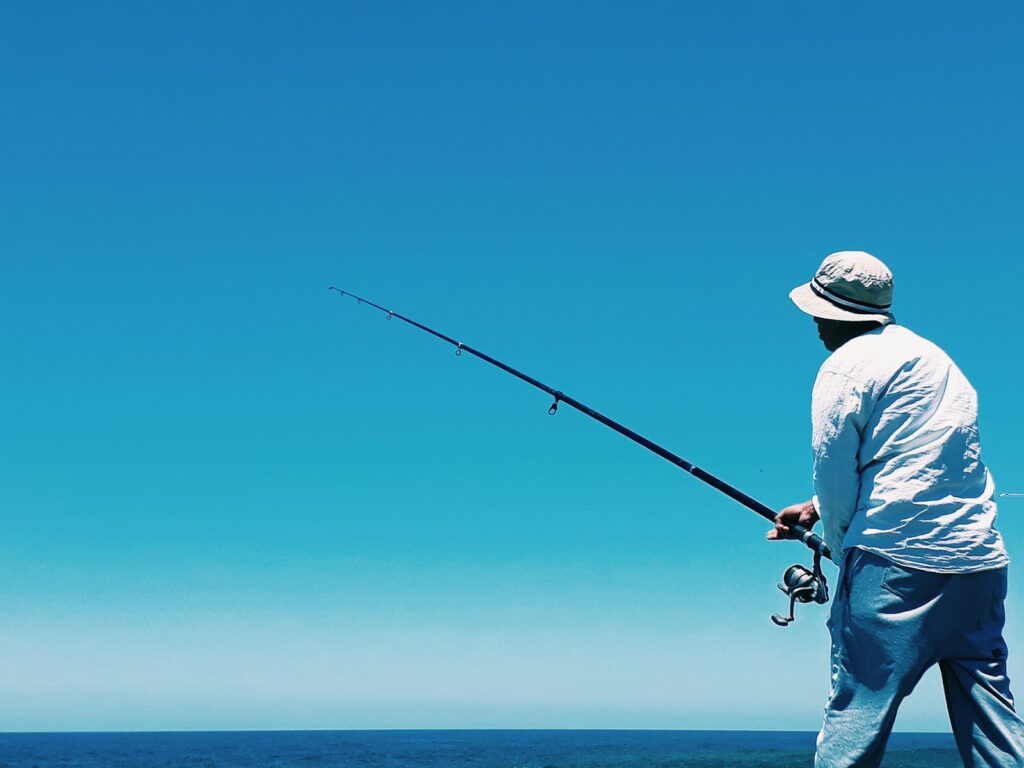
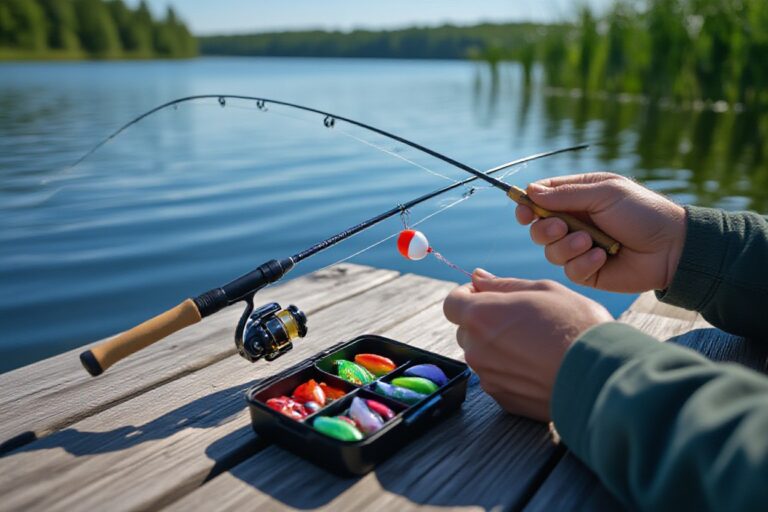
Before you head out, inspect and secure all gear so you avoid accidents and equipment failure; pack a life jacket, first-aid kit, knife, and weather-appropriate clothing, and stow rods, hooks, and tackle to prevent snags and injuries.
Choosing the Right Fishing Equipment
On selecting rods, reels, line, and lures, match gear to the species and conditions so you maintain control and reduce strain; choose a rod action and line strength rated for the fish size and water environment, and opt for non-slip handles and corrosion-resistant materials.
Maintaining Your Fishing Gear
Safety demands routine checks: sharpen and stow hooks, rinse reels with fresh water after salt exposure, lubricate moving parts, replace frayed line, and inspect rods for cracks to prevent failures that could cause injury or lost fish.
In fact, you should keep a written maintenance checklist and schedule regular care: dry and store gear properly, label spare line and terminal tackle, carry a basic repair kit for field fixes, and test reels and knots at home so your equipment performs reliably on the water.
Water Safety Precautions
If you fish, assess water, weather and hazards before you go: check forecasts, note currents and depth, avoid unstable banks and fast-moving water, tell someone your plan, carry a charged phone or VHF, and pack basic rescue gear so you can respond safely if conditions change.
Understanding Water Conditions
With changing tides, wind and runoff, you should scan the water for color shifts, surface chop and unusual currents, learn local tide and river charts, be wary of drop-offs and submerged obstacles, and consult local authorities or experienced anglers when you’re unsure of conditions.
Wearing Life Jackets
The right life jacket fits snugly, is approved for your activity, and you should wear it whenever you’re on or near open water; keep it fastened, inspect straps and buoyancy before each trip, and choose a style that lets you move without compromising safety.
Water can sap your strength quickly, so wearing a PFD keeps you afloat if you’re injured or unconscious; practice donning it, adjust straps for a secure fit, inspect for wear or damage, and replace any jacket that no longer secures properly or loses buoyancy.
Sun and Weather Safety
You must plan outings with sun and weather in mind: apply broad‑spectrum sunscreen, wear protective clothing and a wide‑brim hat, check forecasts before leaving, carry shade and shelter options, and be ready to change your plans when lightning, high winds, or intense heat appear.
Protecting Yourself from Sun Exposure
Between 10 a.m. and 4 p.m. UV is strongest, so you should reapply broad‑spectrum SPF 30+ sunscreen every two hours, wear UV‑protective clothing and polarized sunglasses, use a wide‑brim hat, and seek shade during breaks to protect your skin and energy.
Being Aware of Weather Changes
Weather can change fast on the water, so you should check local forecasts and radar apps before and during your trips, note wind shifts and cloud development, and set clear turnaround times to avoid being caught off shore by storms.
Aware of signs like sudden temperature drops, darkening clouds, rising winds, or distant thunder, you should head to shore or shelter immediately, carry a charged phone or VHF radio for alerts, and brief your group on your emergency plan.
Wildlife and Environmental Considerations
Keep your impact minimal by packing out all waste, using barbless hooks where appropriate, following harvest limits and seasonal closures, avoiding trampling vegetation or disturbing spawning beds, and choosing lead-free tackle while disposing of unused bait properly to protect aquatic and terrestrial life.
Respecting Local Wildlife
Along the shoreline, give animals ample space, secure your food and gear to avoid attracting wildlife, observe from a distance, and avoid loud disturbances; if you catch protected species, handle them gently and release them quickly so you do not disrupt feeding or breeding behaviors.
Avoiding Hazardous Areas
Areas with unstable banks, swift currents, submerged rocks, or fragile habitats present significant risks; obey posted warnings, avoid fishing from eroded edges or closed zones, and respect buffer areas around nests so you keep both yourself and local wildlife safe.
It pays to scout spots in daylight, check local advisories, tide and weather forecasts so you can plan, wear proper footwear and a PFD when wading, carry a wading staff, fish with a partner, and note hazardous zones to avoid returning to risky areas alone.
Emergency Preparedness
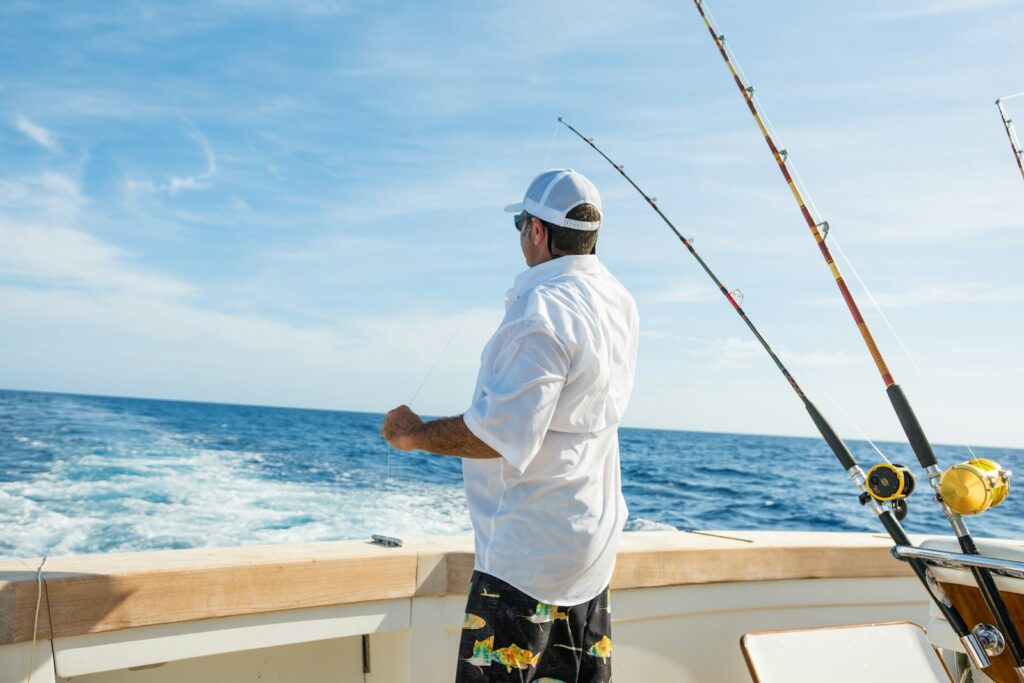
For safer trips, you should plan for worst-case scenarios before leaving shore: share your route and expected return, check weather and tide reports, carry a charged phone in a waterproof case, bring backup power, and learn basic signaling and rescue techniques so you can respond calmly if an emergency arises.
First Aid Kits and Supplies
At minimum, you should carry a compact first aid kit with adhesive bandages, antiseptic wipes, wound dressings, pain relief, tweezers, gloves, a splint, and supplies to manage hook injuries and bleeding; keep the kit dry, check expirations, and tailor contents to trip length and group needs.
Knowing Emergency Contacts
The best approach is to store local emergency numbers, the nearest marina or park office, and at least one personal contact in your phone and on a waterproof card you carry, and to inform those contacts of your planned location and return time.
Due to frequent cell coverage gaps on waterways, you should also carry a secondary communicator such as a VHF radio, satellite messenger, or personal locator beacon, test devices before departure, keep batteries charged, and practice using them so you can summon help quickly when needed.
Fishing Regulations and Ethics
To protect fish populations and habitats, you must obtain required licenses, adhere to size and bag limits, observe seasonal closures and gear restrictions, and act ethically on the water so your fishing helps sustain fisheries for future anglers.
Following Local Fishing Laws
Above all you must learn local rules: check regulations before you go, carry required licenses, respect access and private property, and follow species-specific limits and closed seasons to avoid penalties and protect stocks.
Practicing Responsible Fishing
At the water’s edge, you should handle fish gently, use appropriate tackle, opt for barbless hooks when releasing, limit air exposure, and secure lines and waste so your actions minimize harm to fish and habitat.
Practicing good catch-and-release techniques, you should wet your hands, support fish horizontally, remove hooks with tools, avoid touching gills, minimize fight time, revive exhausted fish before release, use circle hooks for bait, and pack out all litter to protect waterways.
Conclusion
Considering all points, you should always wear your life jacket, check forecasts and water conditions, carry a communication device and first-aid kit, follow local regulations and size/limit rules, use proper hooks and handling to protect yourself and fish, supervise children, avoid alcohol while boating, and practice safe casting and sun protection to keep outings safe.



One Comment