Beginner Hiking Tips for First-Time Hikers

Hiking confidently begins with planning and the right gear: you should research trails, check weather, pack water, snacks, layers, a map or GPS, and wear supportive footwear; start on shorter routes, set a comfortable pace, tell someone your route, and practice Leave No Trace to protect trails and wildlife.
Essential Gear for First-Time Hikers

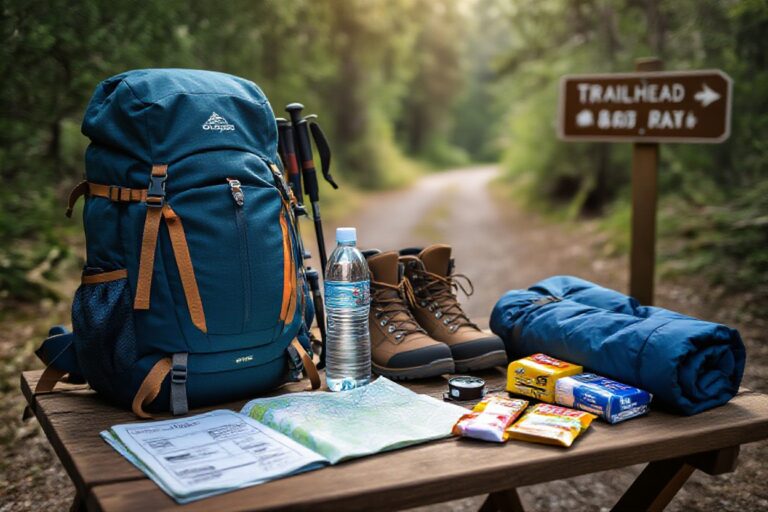
To start hiking safely, pack a light daypack with water (and a filter or purification tablets for longer trips), high-energy snacks, a basic first-aid kit, a map or GPS device with offline maps, sun protection, a headlamp, a lightweight waterproof jacket, a multitool, and an extra layer; test gear at home and keep weight low so your hikes stay comfortable.
Footwear Choices
Hikers should pick trail shoes or boots that fit well with your hiking socks, offer good traction and ankle support for the terrain, and are comfortable on long walks; break them in on short outings, choose waterproof if you expect wet conditions, and prioritize fit and function over fashion.
Clothing Layers
Below, layer clothing so you can control temperature: use a moisture-wicking base layer, an insulating mid layer, and a breathable, waterproof shell; avoid cotton, carry a hat and gloves for cooler weather, and adjust layers to your exertion level to stay dry and warm.
And when planning layers, choose synthetic or wool fabrics that dry quickly, carry a lightweight packable jacket for storms, keep an extra warm layer and spare socks in your pack, and practice adding or removing layers on short hikes to learn how your body responds.
Planning Your Hike
There’s value in planning: you should check weather and daylight, study maps, estimate hiking time, arrange transport and any permits, tell someone your route, and pack water, layers, navigation and a basic first-aid kit; set a conservative distance so your first hike stays enjoyable and safe.
Choosing the Right Trail
Against picking a trail just because it’s popular, you should choose one that matches your fitness, experience, season and available time; check distance, elevation gain, surface and recent conditions, favor shorter loops for your first hikes, and ensure clear turn-back options so you control your pace.
Understanding Trail Difficulty
One simple way to assess difficulty is to evaluate distance, elevation gain per mile, technical terrain and altitude; trail grading varies by region, so read local guides and trip reports, study contour lines on maps, and factor in weather and surface when judging how hard a route will feel to you.
Choosing a hike you can complete confidently means comparing trail stats to hikes you’ve already done, using elevation gain per mile as a guideline, allowing extra time for technical or loose sections, packing gear and food appropriate to the challenge, and opting for an easier route if conditions or your fitness suggest caution.
Safety Tips
Even basic hikes demand planning: you should check the weather, tell someone your route, and carry a map, compass, or GPS so you can navigate.
- Wear layered clothing and sturdy boots
- Pack first-aid supplies and a charged phone
- Stay on marked trails and be aware of wildlife
This approach keeps you prepared for changing conditions and helps you manage risk while enjoying the trail.
Staying Hydrated
Against underestimating water needs, you should carry at least half a liter per hour of moderate activity, increase for heat or heavy effort, and sip regularly so your energy and focus stay steady; treat natural sources if you plan to refill on the route.
Navigating the Trail
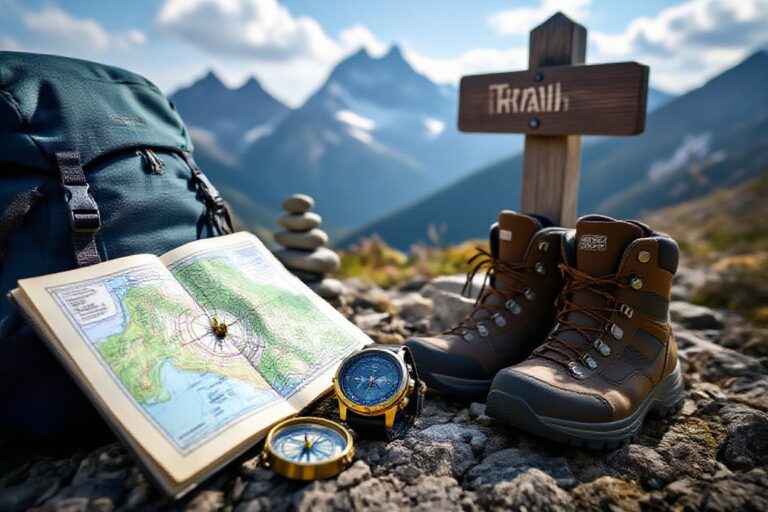
Above basic landmarks, you should learn map and compass skills, note key waypoints before you go, and use a GPS app as backup so you can confirm your position and avoid unnecessary detours.
With practice you will read contour lines, estimate distance by pace, use bearings to verify location, and set clear turnaround points; check junction signs often, conserve device battery, and choose safety over pushing on if your route becomes uncertain.
Hiking Etiquette
Keep to marked trails and pack out your trash; you should minimize noise, avoid picking plants or feeding wildlife, and step aside briefly to let faster hikers pass so everyone can enjoy a safe, clean experience.
Respecting Nature
At all times you should stay on durable surfaces, leave natural objects where you find them, and store food securely to prevent attracting animals, helping preserve habitats for other visitors and native species.
Trail Sharing with Others
An efficient way to share trails is for you to yield appropriately: hikers going uphill have the right of way, bikers should announce passes, and groups should space out so you avoid congestion and reduce conflict.
Also be courteous when passing: call out “on your left” early, slow down before overtaking, keep your dog leashed and under control, and if you stop, move off the trail so you don’t block others.
What to Expect on Your First Hike

Many first hikes involve uneven terrain, changing weather and a slower pace than you expect; you will navigate roots, rocks and occasional steep sections while testing your gear and stamina. Plan for breaks, carry water and layers, check trail length and elevation, and set realistic goals so you finish with energy and a sense of accomplishment.
Physical Challenges
Behind hills and uneven ground you will test your balance, lungs and leg strength; expect shortness of breath on climbs, sore calves and potential blisters. Pace yourself, use trekking poles if needed, gradually increase distance in training hikes, wear supportive footwear and pack light to reduce strain and improve your control on technical sections.
Emotional Benefits
Below the physical effort you will find improved mood, reduced stress and growing confidence as you overcome route challenges; time outdoors sharpens focus, offers perspective and builds resilience so you return with calmer thoughts and a clearer head. Group hikes boost social connection while solo outings deepen self-reliance.
Due to exposure to nature and steady activity you will trigger endorphins and lower cortisol, improving sleep and cognitive clarity; setting small goals on trail builds competence and self-esteem, while shared hikes strengthen bonds. To enhance benefits, unplug devices, practice mindful breathing, and reflect on what you achieved after the hike.
Post-Hike Care
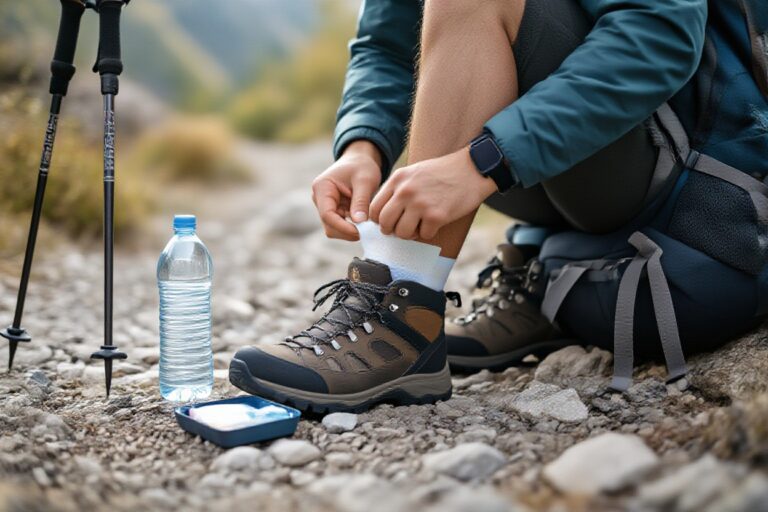
Not all post-hike care is complicated: you should hydrate, change out of damp clothes, clean and dress any blisters or cuts, and inspect your gear for damage. Refuel with a balanced meal and prioritize sleep to support recovery. Log hike details-route, time, weather, how your body felt-to guide future planning and reduce risk on your next outing.
Stretching and Recovery
An easy stretching routine helps you recover: hold gentle static stretches for 20-30 seconds for calves, quads, hamstrings, hips and lower back, and use a foam roller to release tight spots. Apply ice to acute soreness, keep hydrated, and include a protein-rich snack to aid muscle repair so you can return to the trail sooner.
Reflecting on the Experience
On finishing, take a few minutes to assess what went well and what didn’t: route choices, pacing, nutrition, footwear comfort, and any navigation issues. Note weather impacts and decision points so you can refine gear and plan. This habit improves safety and enjoyment on future hikes.
This deeper reflection should be structured: log distance, elevation, time, and perceived effort; rate gear performance and list items to change; note near-misses or safety lessons and what you would do differently. Share insights with fellow hikers or a local group to get feedback and strengthen your skills.
To wrap up
On the whole, as a first-time hiker you should plan conservative routes, pack layered clothing and important safety gear, pace yourself, stay hydrated and nourished, follow trail markers, and tell someone your itinerary; practicing Leave No Trace and building fitness gradually will make your outings safer and more enjoyable.