How to Choose a Hiking Trail for Your Skill Level?
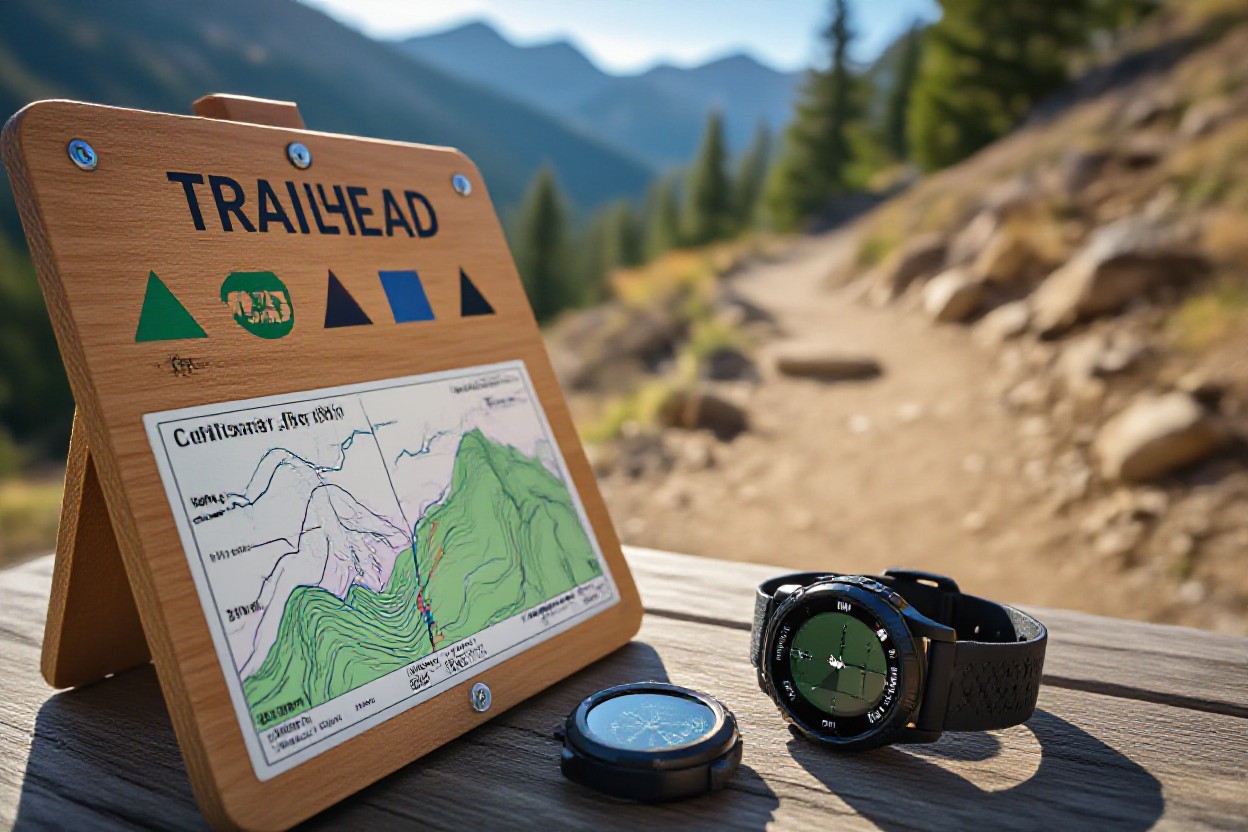
With an honest assessment of your fitness and experience, select trails that match your stamina, technical skills and comfort with exposure; check distance, elevation gain, trail rating, terrain and expected conditions, factor in daylight and weather, plan realistic turnaround times, pack appropriate gear and navigation, and progressively increase difficulty so you build skills safely and enjoyably.
Understanding Hiking Trail Difficulty
A clear understanding of trail difficulty helps you choose routes that match your fitness, skills, and goals so you can hike safely, progress confidently, and enjoy the experience.
Trail Ratings Explained
One common system rates trails by distance, elevation gain, technicality, and typical time, and you should use ratings as a guideline while checking recent trail reports and maps for conditions that affect your plan.
Factors Affecting Trail Difficulty
Before you commit to a hike, evaluate the elements that change how hard a trail feels and how they interact with your abilities.
- Distance and cumulative elevation gain
- Trail surface, exposure, and technical obstacles
- Weather, season, and daylight hours
The best trail for you balances challenge with your current fitness and preparedness.
The gear you carry, your pacing, and your navigation skills directly alter perceived difficulty and safety.
- Pace, rest strategy, and hydration plan
- Footwear, clothing layers, and emergency kit
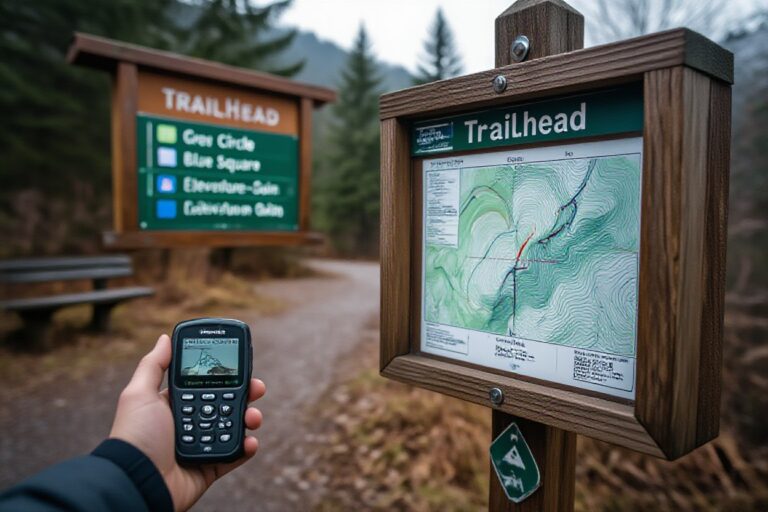
- Maps, GPS, and route familiarity
The right preparation reduces strain and enhances your enjoyment.
Assessing Your Skill Level
There’s a straightforward way to match trails to your ability: evaluate your navigation skills, recent hike distances, typical elevation gains, comfort with technical terrain, and the gear you use. Be honest about your pace, recovery time, and tolerance for exposure or unstable footing. Choose routes that slightly challenge you without exceeding your stamina or skillset, then increase distance, elevation, or technicality gradually as you build confidence and ability.
Evaluating Your Experience
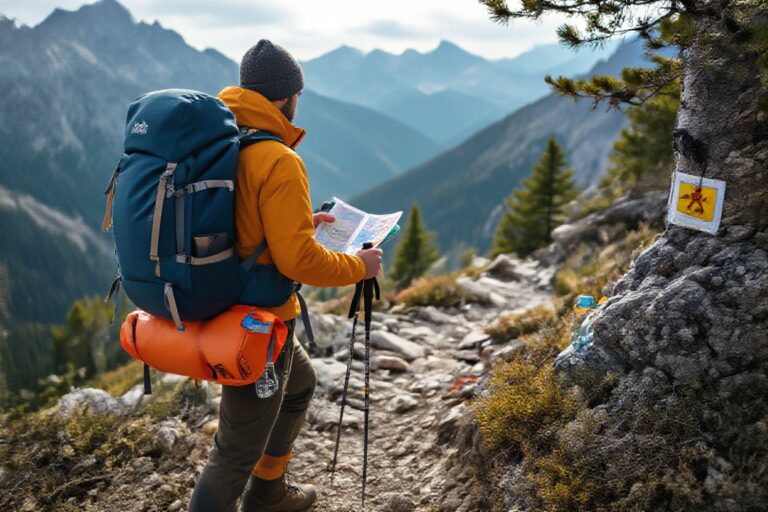
Level your assessment by listing recent hikes and noting distance, vertical gain, terrain type, and whether you completed any overnight or technical trips. Consider whether you navigate with map and compass or rely on GPS, and whether you handle exposure, scree, or river crossings comfortably. Use that record to place yourself on a beginner-intermediate-advanced scale and pick trails that align with your proven skills while allowing incremental progress.
Physical Fitness Considerations
Skill assessment starts with testing steady uphill walks of 30-60 minutes while wearing your typical pack to gauge breathlessness and muscle fatigue, and noting recovery time afterward. Factor in elevation, trail grade, and planned pace when choosing routes. If you tire quickly, opt for shorter distances, gentler grades, or lower elevations until your endurance, strength, and recovery improve.
Fitness improvements come from progressive training: hill repeats, loaded day hikes, cross-training for core and leg strength, and regular aerobic sessions. Schedule rest days, simulate expected trail conditions including your pack weight and terrain, and practice pacing and fueling strategies. Perform test hikes at increasing difficulty to verify readiness before attempting longer or higher‑gain routes.
Researching Hiking Trails
While researching hiking trails, you assess distance, elevation gain, terrain technicality, and typical time to completion, then match those to your fitness, gear, and navigation ability; check seasonal hazards, permit requirements, and cell coverage so you plan realistically and avoid surprises.
Utilizing Online Resources
Among the best resources are official park sites, trail apps, and recent trip reports; you compare maps, elevation profiles, and user photos, check recent conditions and closures, and use GPS routes to estimate time and difficulty so you pick trails that fit your current skills and schedule.
Consulting Local Hiking Guides
Among local guides, outfitters, and ranger stations, you get tailored advice on trail difficulty, seasonal concerns, and alternative routes; their firsthand knowledge helps you gauge whether a hike matches your endurance, technical skills, and gear needs.
Local guides also offer hands-on coaching in navigation, pacing, and managing exposure; you can hire a guide for a supervised hike, join guided group outings to build experience, or stop by outdoor shops and visitor centers to get recent intel and gear recommendations.
Matching Trails to Your Skills
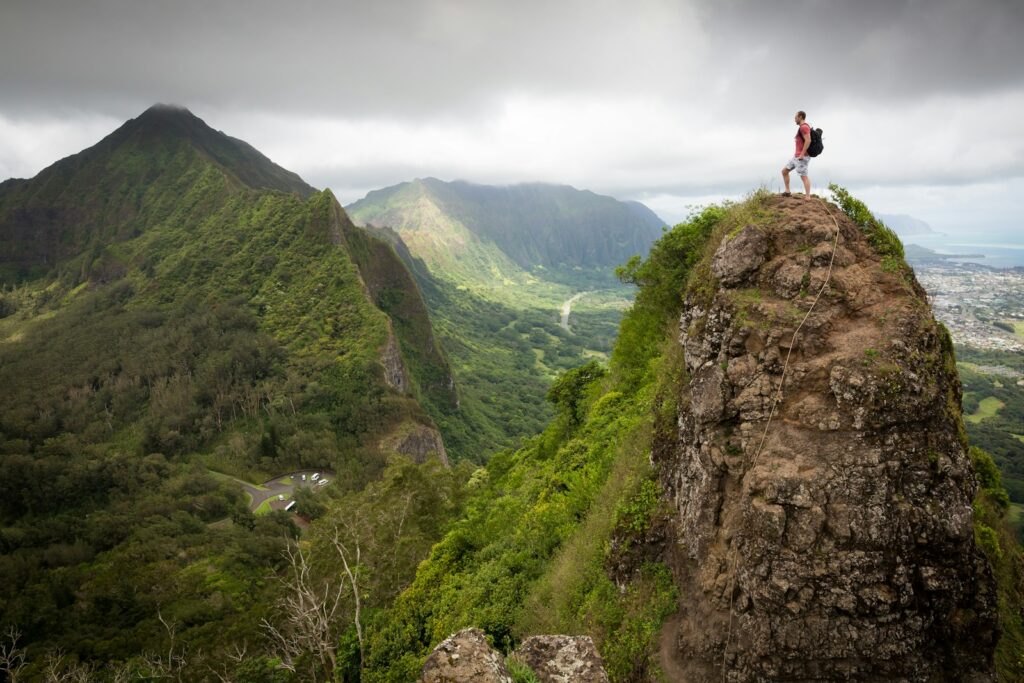
Now assess your endurance, footing, and navigation ability so you pick trails that challenge you without overwhelming you; start with shorter, gentler routes to build confidence, add elevation and technical terrain as you improve, and match conditions and daylight to your experience.
Choosing Beginner, Intermediate, or Advanced Trails
For choosing the right category, compare trail distance, elevation gain, surface technicality, and available escape options to your current fitness and skills.
- Beginner: you stick to short, well-marked paths with minimal elevation and few obstacles.
- Intermediate: you handle longer distances, moderate climbs, and uneven terrain with basic navigation.
- Advanced: you tackle steep elevation, technical scrambling, exposure, and route-finding in varied conditions.
Trail Levels and What They Mean for You
| Trail Level | What it means for you |
|---|---|
| Beginner | You can complete short loops, manage mild climbs, and hike on clear, maintained trails. |
| Intermediate | You sustain longer hikes, navigate minor route choices, and handle uneven or rocky sections. |
| Advanced | You are prepared for sustained elevation, technical terrain, limited signage, and self-reliant decision-making. |
Safety Considerations for Each Skill Level
Before you set out, check weather and trail reports, share your plan with someone, pack water, layers, navigation, and a basic first-aid kit, and set a turnaround time suited to your ability.
Consequently you should practice key skills-map reading, emergency stops, and pacing-on easier hikes, build fitness progressively, and only push into more difficult terrain once you consistently meet the demands of the next level.
Preparing for Your Hike
For a safe, enjoyable hike you should match distance, elevation and terrain to your fitness and experience, check weather and daylight, share your plan with someone, pack water, snacks and a basic first-aid kit, and set a clear turnaround time so you can adjust if conditions change.
Gear and Equipment Essentials
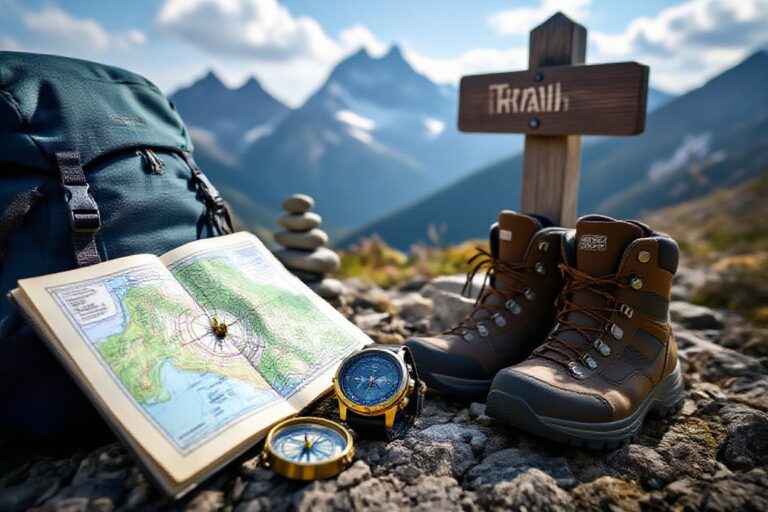
With layered clothing and sturdy footwear you manage temperature and footing; carry navigation (map, compass or GPS), sun protection, adequate water and food, a headlamp, multi-tool and a compact first-aid kit, and tailor quantities to trip length and remoteness.
Planning Your Route and Time
About selecting a route, evaluate distance, elevation gain, trail conditions and estimated pace, identify water sources and exit points, and plan start and finish times to avoid low visibility or extreme heat while allowing buffer time for delays.
Preparing your itinerary means entering waypoints on your device, printing a map, checking recent trail reports and weather, notifying a trusted contact of your expected return, and establishing checkpoints and clear bailout options so you can make safe decisions on the trail.
Tips for Enjoying Your Hike
Keep your hike enjoyable by pacing yourself, staying hydrated, dressing in layers, and packing imperatives; use a map and respect wildlife.
- Stay on marked trails
- Check weather and daylight
- Bring snacks and a basic first-aid kit
Recognizing how to adjust plans if conditions change preserves safety and fun.
Staying Motivated and Positive
On long or difficult trails you can keep motivation by setting small goals, celebrating progress, using positive self-talk, and hiking with supportive companions; visualizing the summit and breaking the route into sections helps you stay focused.
Recognizing Your Limits
Hike within your abilities by choosing trails that match your fitness and experience, testing gear on shorter walks, and stopping when fatigue or discomfort appears to avoid injury.
This means you should plan realistic distances, know your pace, check elevation gain, allow extra time for rest, and be willing to turn back; consult guidebooks or local rangers to match trail difficulty to your skill.
To wrap up
With this in mind you should assess trail distance, elevation gain, terrain, and typical weather, match them to your fitness, technical skills, and available time, choose trails with clear markers and emergency access when starting out, gradually increase challenge as your experience grows, and always carry appropriate gear, maps, and a plan so you can hike confidently and safely within your limits.