How to Choose the Right Plants for Your Backyard?
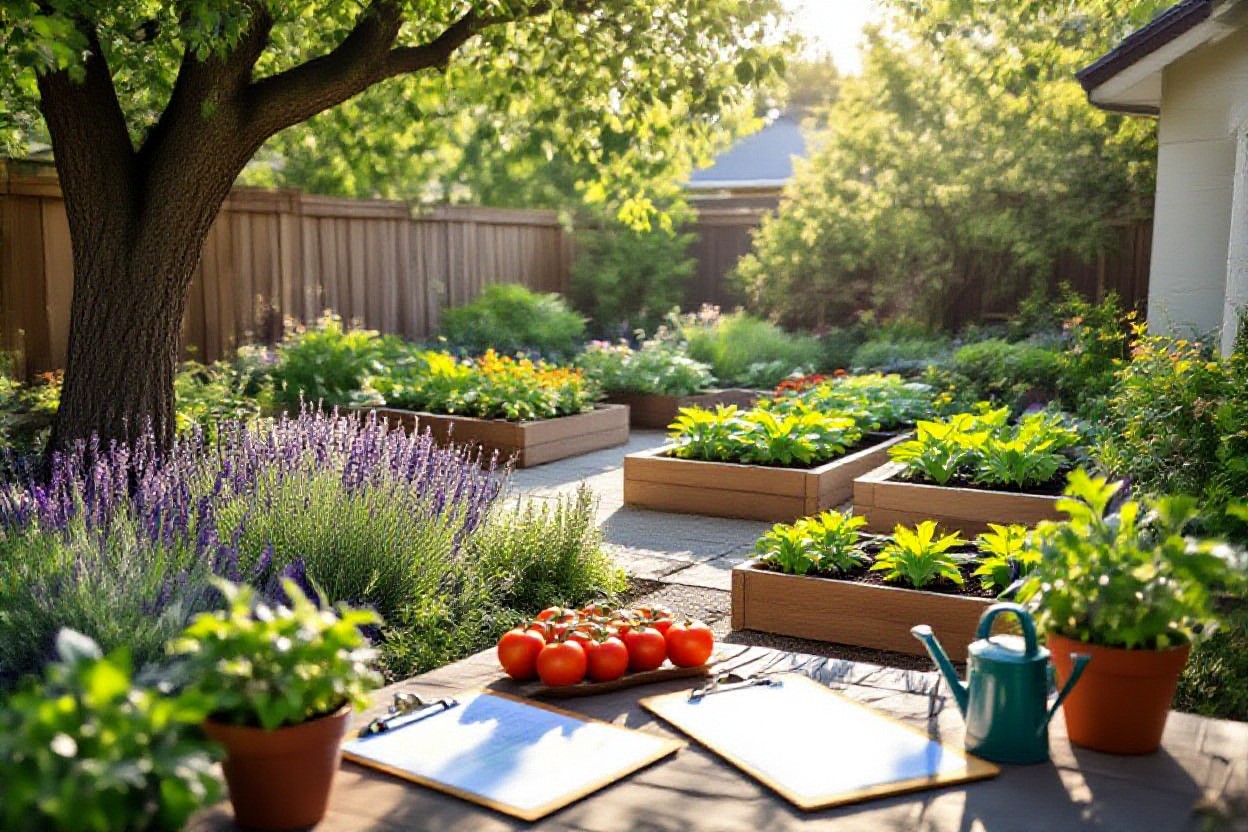
With a clear assessment of your climate, soil, sunlight and water availability, you can select plants that thrive and reduce maintenance; evaluate microclimates, test soil pH, match plant hardiness and bloom times to your goals, and choose native or well-adapted species to support local ecology. Prioritize plants that fit your maintenance schedule and landscape design to ensure long-term success in your backyard.
Understand Your Climate

For successful plant selection, assess temperature ranges, rainfall patterns, and seasonal extremes in your area so you choose species adapted to local conditions and the maintenance levels you can provide.
USDA Hardiness Zones
After locating your USDA zone, choose plants rated for that zone or for slightly colder conditions so they survive winter; also consider heat tolerance and seasonal variability to match bloom times and water needs to your yard.
Microclimates in Your Backyard
Your backyard contains microclimates-sunny south-facing slopes, shady tree roots, or sheltered corners-that alter light, temperature, and moisture; map these spots so you plant species suited to each niche.
It helps to observe conditions across seasons, noting frost pockets, wind exposure, and soil drainage; by recording these you can place plants or use structures, mulch, and irrigation to improve microclimates and expand your planting options.
Assess Your Soil Type
Now assess your soil’s texture, drainage and pH by feeling it, observing how quickly water soaks in, and noting organic matter; this helps you choose plants suited to your site and decide whether you need drainage fixes, pH adjustments, or added fertility.
Soil Testing Methods
Among testing options, DIY pH kits and commercial lab tests are most useful: kits give you quick pH readings while labs measure N-P-K, organic matter and micronutrients to help you decide what to adjust for your plants.
Amending Your Soil
Soil can be improved with compost to boost fertility, sand or grit to loosen clay, and lime or sulfur to raise or lower pH; you should apply amendments based on test results and work them into the top 6-8 inches before planting.
A common approach is to spread 2-4 inches of compost and fork it in, add coarse sand at about 10-20% by volume for heavy clay, retest after a season, and stagger changes so you can monitor how your plants respond.
Evaluate Sunlight Exposure
You should map sunlight across your yard at different times and seasons to match plants to conditions; note hours of direct sun, spots with dappled light, and shade cast by trees or buildings, then choose species that tolerate those patterns to improve establishment and reduce maintenance.
Full Sun vs. Partial Shade
Between full sun (generally six or more hours of direct light) and partial shade (three to six hours or filtered light), you should pick plants suited to the measured exposure, favoring sun‑lovers in open areas and shade‑tolerant species beneath trees or near structures to prevent stress and poor flowering.
Identifying Light Patterns
Sunlight moves across your yard with the sun and seasonal changes, so you should observe key spots midmorning, midday, and late afternoon, note areas of reflected heat, and use simple tools like flags or a smartphone app to record hours of direct and dappled light for each garden bed.
Further, you can mark areas with colored flags or take timestamped photos hourly to build a light map, consider how roof overhangs and pavement alter intensity, and adjust planting locations or select cultivars based on these microclimate details to increase survival and blooms.
Determine Your Space and Layout
Your backyard’s dimensions, hardscapes, and sightlines set the framework for plant choices; map walkways, patios, and utility areas so you allocate beds and containers that balance aesthetics with function and ease of maintenance.
Planning Plant Placement
After mapping sunlight, shade, soil type, and drainage, place sun-loving plants where they receive full light and shade-tolerant species under trees; group by water needs and stagger heights to create layers that simplify care and enhance visual flow.
Consideration of Mature Plant Size
Space plants according to their mature spread and height so you avoid overcrowding; consult labels for expected dimensions, allow room for roots to expand, and factor in seasonal growth and pruning needs for long-term health.
Placement based on mature size influences sightlines, privacy, and maintenance access; position large specimens to anchor beds, keep smaller shrubs near paths, and leave clearance for irrigation, mowing, and future growth to prevent conflicts.
Choose Plants for Aesthetic Appeal
To shape a backyard that reflects your style, choose plants that complement your home’s materials and hardscape, balance scale and repetition for cohesion, and place focal specimens to draw the eye; mix evergreens with seasonal bloomers so your space feels intentional year-round while managing mature size for lasting structure.
Color Schemes and Seasonal Interest
Above all, plan a color palette that matches your vision-harmonious or bold-and sequence plantings so blooms and foliage peak across seasons; use perennials, bulbs, and shrubs to extend color, repeat hues to connect spaces, and add plants with winter foliage or bark for off-season interest you can rely on.
Textures and Forms
For texture and form, combine varied leaf sizes, shapes, and growth habits to create layers: pair airy grasses with broad-leaved perennials, vertical trees with mounding shrubs, and trailing plants at edges to soften borders; repeat textures to unify beds while using contrast to highlight specimens and maintain rhythm in your design.
The interplay of texture and form directs sightlines and defines zones, so when you choose plants imagine mature silhouettes and seasonal changes; select coarse textures to anchor seating areas, finer textures near paths to ease transitions, and reserve strong contrasts for focal points to keep your composition balanced.
Maintenance Considerations

Unlike ornamental choices that focus only on looks, maintenance affects plant health and your time; assess pruning, pest control, seasonal clean-up, and soil care when picking species so your yard stays vibrant without overwhelming your schedule. Choose plants that match your available hours and budget, and plan mulch, compost, and tool needs to simplify upkeep.
Choosing Low-Maintenance Plants
Among smart options are native and drought-tolerant species that suit your soil and climate, requiring less watering, fertilizer, and pest treatment. Favor perennials, well-adapted shrubs, and groundcovers to reduce replanting and control erosion. You can also use mulch and proper spacing to limit weeds and disease, making regular care simpler.
Watering and Fertilization Needs
Choosing plants with similar moisture and nutrient needs lets you set one watering and feeding routine, saving time and preventing stress. Use deep, infrequent watering methods and consider drip systems or soaker hoses to deliver water efficiently. Schedule fertilization based on soil tests and plant stage, preferring slow-release or organic options to sustain growth without overfeeding.
The best way to gauge watering is for you to check soil moisture at root depth; water when the top few inches are dry rather than on a fixed schedule, and watch for signs like wilting or yellowing to adjust frequency. Mulch conserves moisture around your plants, and targeted fertilization-based on a soil test and timed for growth phases-keeps them healthy without promoting weak, excessive foliage.
To wrap up
Ultimately you will choose the best plants by evaluating your backyard’s climate, soil, light, and space; clarifying your aesthetic and maintenance goals; prioritizing native or climate-adapted species; and planning for water, pest management, and succession planting so your choices thrive long term.