Common Fishing Mistakes New Anglers Make
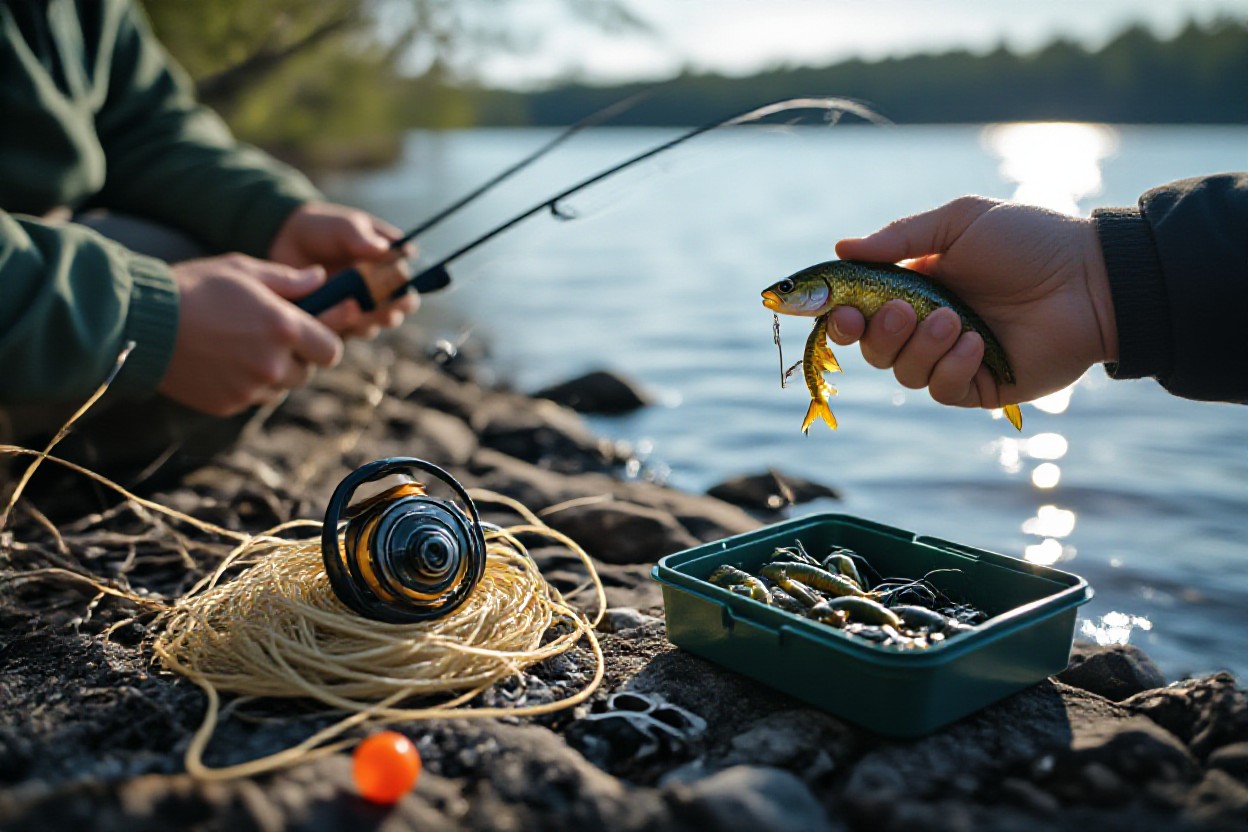
With a few focused adjustments, you can avoid common errors that waste time and limit catches; set up your gear correctly, match bait and presentation to the species, practice casting and knot-tying, learn to read water and structure, vary retrieval speed, and follow local regulations-these steps sharpen your skills, increase consistency, and help you fish smarter on every trip.
Understanding Fishing Gear
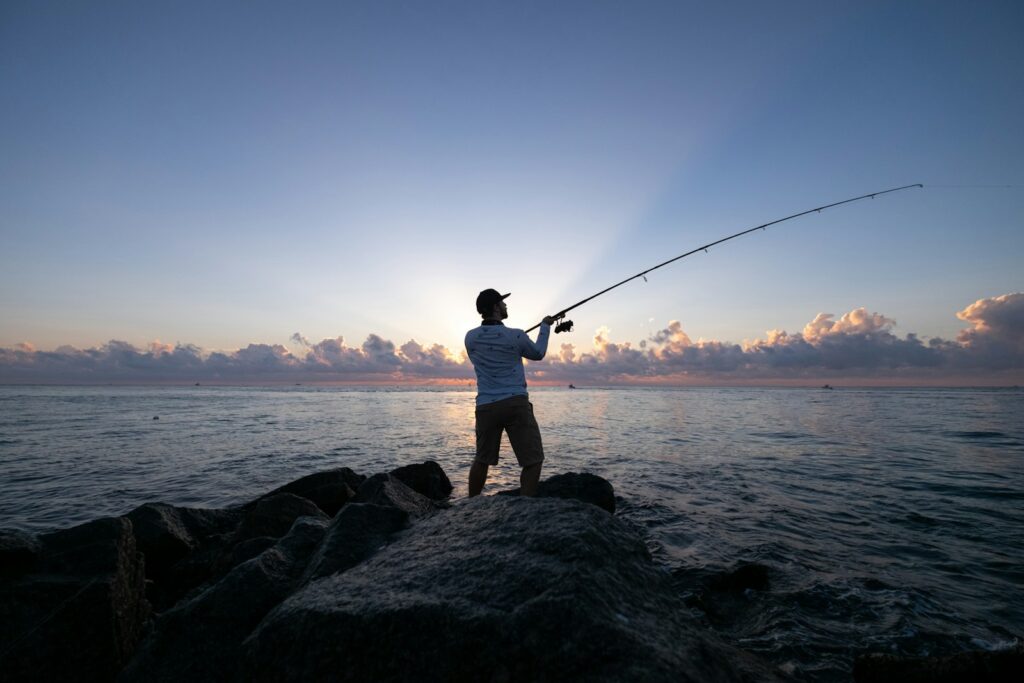
The variety of gear can overwhelm new anglers, but you can simplify choices by matching rod, reel, line, and lures to the species, water type, and your preferred technique; prioritize balance, durability, and ease of use so your equipment enhances skill development rather than hindering it.
Choosing the Right Rod and Reel
One key decision is pairing rod action and power with a reel that matches line capacity and drag strength; you should choose light to medium setups for panfish, medium for bass, and heavier gear for larger or saltwater species to ensure confident casting and control.
Selecting Appropriate Bait and Tackle
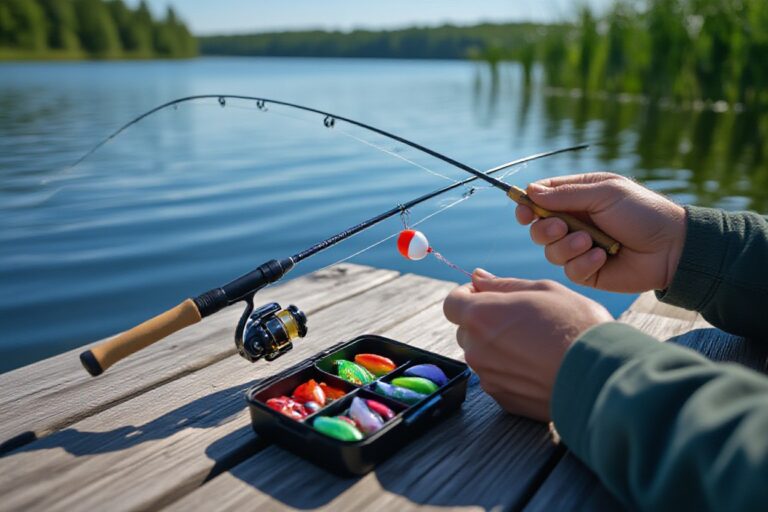
An effective bait and tackle selection depends on matching size, color, scent, and presentation to local forage and water clarity; you should carry a mix of live baits, soft plastics, and a few metal or crankbaits to adapt quickly to changing conditions.
Fishing with the right terminal tackle-hooks, weights, swivels, and leaders-lets you present bait naturally and reduce line twist; you should test hook sizes for secure hookups, adjust weight for sink rate and presentation, and swap leaders to prevent abrasion when targeting toothy or rough-structured fish.
Fishing Techniques
While you focus on gear, you must also hone basic techniques-line control, rod angle and lure presentation-to convert casts into bites and avoid common beginner errors.
Casting Methods
At first you may overcast, underpower or neglect wind and target selection; practice smooth acceleration, consistent release point and appropriate rod choice to improve accuracy and distance.
Retrieving Tips
On retrievals you should vary speed, pauses and rod action to imitate prey and adapt to fish behavior.
- Use steady retrieves to locate fish
- Introduce twitches and jerks to provoke reaction strikes
- Adjust speed to water temperature and fish activity
This practice helps you identify what triggers bites and refine your presentation.
Consequently you should track which retrieves produce hookups, noting lure type, cadence and depth.
- Keep a simple log of location, lure and retrieve
- Test variations in cadence and pause length
- Use electronics to confirm fish response and depth
This methodical testing helps you replicate what works and speed up learning.
Timing and Location
Any angler who ignores timing and location wastes effort; fish move with light, tide, and temperature, so you should plan trips around dawn and dusk, feeding cycles, and local weather. Scouting maps, talking to locals, and watching water signs will make your outings far more productive and prevent long, fruitless hours on the water.
Best Times to Fish
Before you head out, check tide charts, moon phase, and wind; early morning and late evening often concentrate active fish, while overcast skies can extend feeding windows. Adjust your bait, retrieve speed, and presentation to match the time of day and species you target to increase bites.
Identifying Productive Fishing Spots
With experience you learn to read structure: drop-offs, points, submerged vegetation, and current seams hold fish. Use electronics to confirm what your eyes and line feel, cast along edges and breaks, and prioritize spots where baitfish congregate or where cover creates ambush points.
Productive scouting includes testing baits and presentations across suspected hotspots, logging successes by depth, time, and weather, and returning to patterns that consistently produce. You should also note seasonal shifts, migrating baitfish, and changing cover so you can adapt strategies and keep finding fish.
Water Safety
Despite calm surfaces and familiar spots, you should always treat water with respect: wear a life jacket when boating or near deep water, stay sober, check currents and depth, avoid overloading small craft, and keep a buddy or communication device close. Practice safe casting distances and know basic swim and rescue techniques; your attentiveness prevents most accidents.
Safety Gear Essentials
Above all, wear a properly fitted PFD, carry a whistle and waterproof light, bring a first-aid kit, spare line and knife, and have a charged phone or VHF in a waterproof case; check your gear’s condition before launch.
Understanding Weather Conditions
Beside local forecasts, you should watch for sudden shifts: rising winds, cloud changes, pressure drops, and temperature swings; learn to read the sky and know how to get to shore quickly. If conditions change, secure gear and move to safety promptly.
Safety when weather shifts means you should monitor radar apps, set firm turnaround times, know prevailing wind patterns, and identify nearby safe landings; pack a quick-stop kit and practice staging your exit so you can leave before conditions become hazardous.
Conservation Practices
After each outing you should leave the water cleaner than you found it: pick up litter, collect stray line, follow bag and size limits, properly release non-target species, and report violations. Use established access points to avoid trampling vegetation and support local habitat projects. By making these behaviors habitual you protect future fishing opportunities and the broader aquatic community.
Catch and Release Techniques
Conservation-focused catch-and-release means handling fish efficiently: use barbless hooks, wet your hands or gloves, support fish horizontally, minimize air exposure to under 30 seconds, revive fish in flowing water before release, and avoid removing deep-swallowed hooks-cut the leader if necessary. You should use appropriate tackle so fights are short, reducing exhaustion and improving survival.
Protecting Local Ecosystems
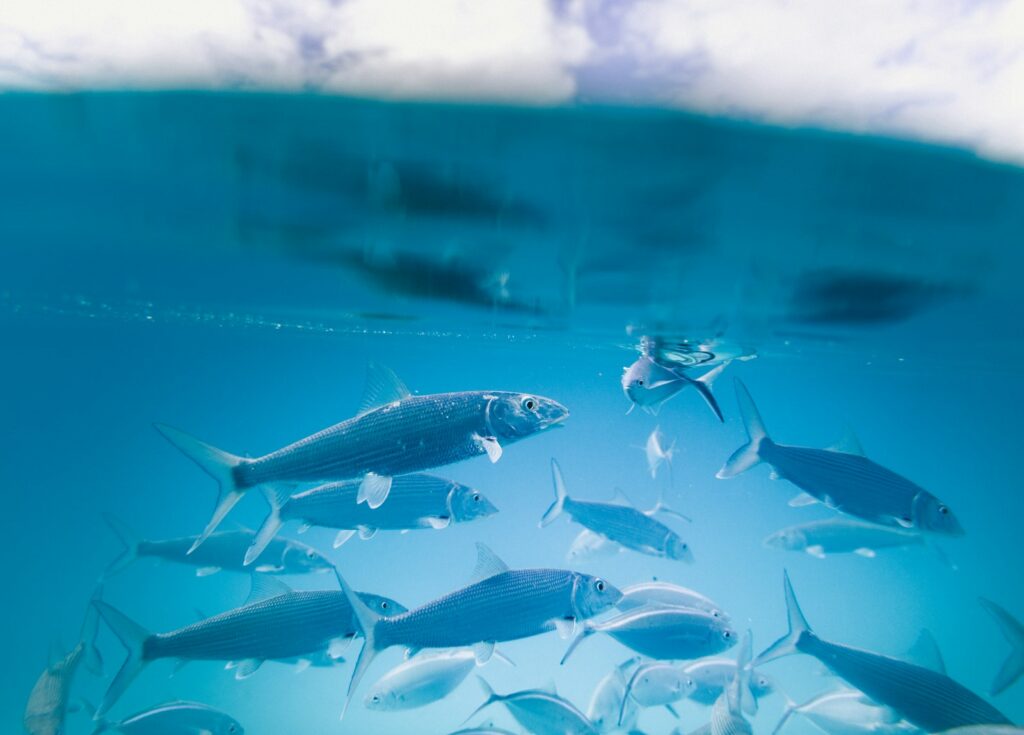
The best way you protect local ecosystems is by preventing the spread of invasive species: clean, drain, dry boats and gear, sanitize boots and nets between waters, and never release unused bait. Stay on established trails to protect riparian plants, respect seasonal closures, and follow habitat restoration guidelines; your choices directly affect local biodiversity and water quality.
Understanding local watershed dynamics helps you make better choices: learn where spawning areas and sensitive habitats are, how water temperature and runoff affect fish, and which species are at risk. Participate in citizen science, report pollution or fish kills, and follow adaptive regulations. When you align your angling style with ecosystem needs-timing trips, choosing tackle, or avoiding fragile areas-you actively sustain fish populations and the environments they depend on.
Learning from Experience
To improve quickly, you should treat every trip as a lesson: note what you tried, what changed, and how fish responded so you can tweak your approach, build reliable habits, and turn setbacks into predictable gains.
Keeping a Fishing Log
An organized log helps you spot patterns in location, tide, time, bait and tackle; by reviewing entries you’ll avoid repeating mistakes, plan smarter outings, and confidently choose methods that match conditions.
Seeking Professional Guidance
Above DIY attempts, you’ll gain speedier skill growth by booking a guide, attending a clinic, or shadowing a seasoned angler who can correct form, recommend gear, and reveal local tactics you won’t find in books.
Plus, when you work with a pro, ask about their experience, watch demonstrations, practice under feedback, and focus on one or two adjustments per session so your improvements are measurable and stick.
Summing up
To wrap up, avoid common errors by matching your gear to the species you target, mastering basic knots, presenting bait naturally, reading water and weather, practicing patience and stealth, and following safety and etiquette; as you refine these habits, your catches and confidence will grow.