Common Mistakes New RV Owners Make
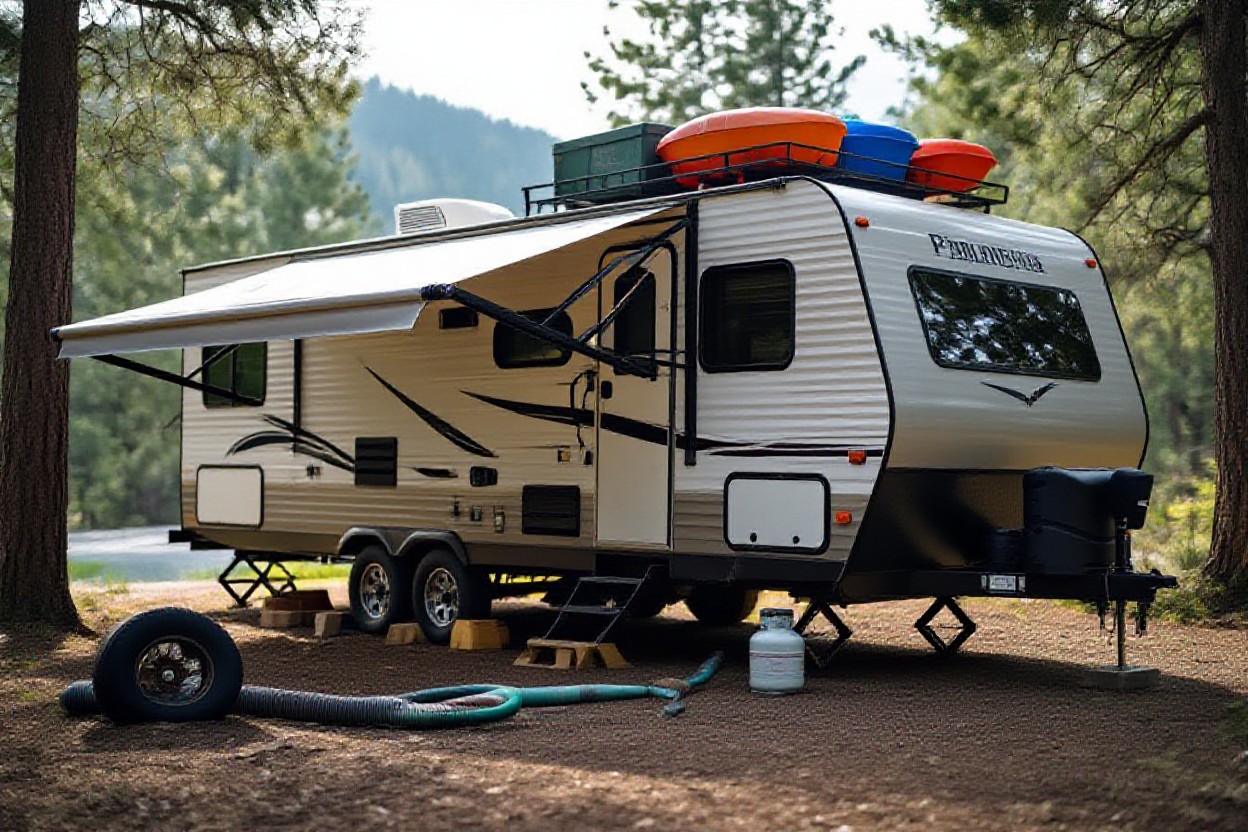
There’s a steep learning curve when you first own an RV, and many new owners underestimate maintenance needs, overload weight limits, skip pre-trip checks, and mismanage water and electrical systems; you should learn towing basics, secure cargo, follow manufacturer service intervals, practice campsite hookup procedures, and plan realistic routes so your trips stay safe, comfortable, and trouble-free.
Understanding Your RV

Your RV is both vehicle and home; invest time learning its dimensions, weight limits, and handling characteristics before you hit the road. Inspect storage, appliances, hookups, and safety equipment so you can plan trips, towing, and maintenance with confidence. Knowing what’s under the hood reduces surprises and helps you protect your investment.
Choosing the Right RV
Against impulse buys, evaluate how you will use the RV, where you’ll camp, and who will travel with you. Match floorplan, towing capacity, and amenities to your lifestyle; factor in maintenance costs, storage, and resale value. Test-drive models to confirm comfort and drivability.
Familiarizing Yourself with RV Systems
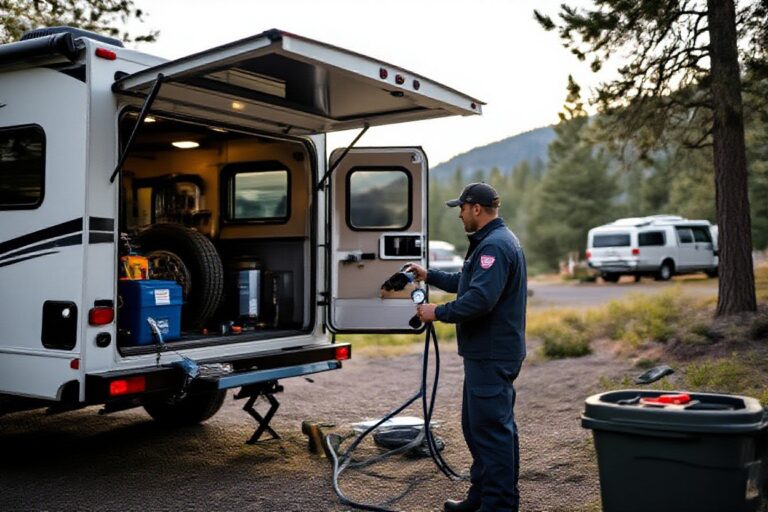
with systems like plumbing, electrical, propane, and HVAC, you need hands-on practice to operate and troubleshoot them. Learn how to monitor batteries, winterize water lines, manage shore power, and check for leaks. Keep manuals, a multimeter, and basic tools on hand so you can address common issues quickly.
It helps to create checklists and schedule routine inspections so you catch small problems before they escalate. Practice draining tanks, operating slide-outs, and resetting breakers in a safe setting; join forums or take a short class to build skills. Document serial numbers and service history for efficient maintenance and warranties.
Maintenance Oversights
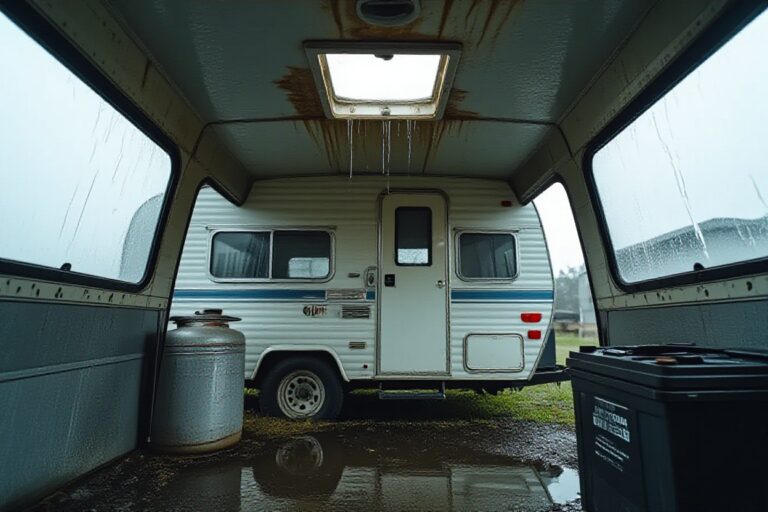
Even small lapses in scheduled checks-fluids, seals, batteries, roof seams-can lead to costly repairs and unexpected downtime, so you should establish a maintenance calendar, log inspections, and follow manufacturer intervals to keep systems reliable and protect your investment.
Neglecting Routine Maintenance
Around seasonal changeovers you must inspect the RV’s systems-propane, appliances, brakes, water lines, and electrical hookups-because skipping oil, filter, and seal checks invites failures and safety hazards when you’re on the road.
Ignoring Tire Health
Around half of RV tire problems stem from underinflation, age, or uneven wear, so you need to monitor pressure, tread depth, and valve condition before every trip to prevent blowouts and improve fuel efficiency.
And you should rotate and replace tires per the manufacturer’s schedule, check for sidewall cracks and bulges, and use a reliable cold-pressure gauge; storage heat cycles and prolonged downtime accelerate tire deterioration, so inspect monthly and after long hauls.
Driving Errors
It takes time for you to adjust to an RV’s height, width and weight; you must drive slower, allow wider turning arcs, plan routes to avoid low clearances, and be alert to crosswinds and shifting loads that change handling and increase rollover or sideswipe risk.
Misjudging Vehicle Size
Beside the obvious height and width differences, you often misjudge turning radius and clearance; you should scout parking spots, use mirrors and spotters when backing, and give yourself extra lane space to prevent collisions, scraped sides, and tight-turn failures.
Underestimating Stopping Distances
Between heavier vehicle mass, trailer tongue weight and reduced brake response, you cannot stop as quickly as in a car; you need longer following gaps, anticipate traffic slowdowns, downshift on descents, and apply brakes progressively to maintain control.
Errors in stopping distance estimation stem from speed, wet or loose surfaces, worn or overheated brakes, and poor weight distribution; you can mitigate these by inspecting brakes regularly, balancing cargo, using engine braking on long descents, and practicing controlled emergency stops in a safe area to refine your judgment.
Campground Etiquette
Once again you must treat the campground as a shared space: follow posted rules, keep your site tidy, confine gear to your footprint, obey quiet hours, and avoid driving or parking on grass. Position awnings, slides and outdoor rugs within your site lines, secure children and pets, and manage lighting so it doesn’t spill into neighbors’ tents or windows. Doing so prevents conflicts and lets you enjoy the stay.
Setting Up Camp Unproperly
After you pull in, level your rig correctly, lock slides only when clear, route hoses and cables to avoid tripping hazards, and extend awnings so they don’t encroach on adjacent sites. Check hookups before leaving your spot, keep steps and stabilizers within your boundary, and avoid creating a maze of gear that blocks access for others.
Disrespecting Other Campers
Setting your stereo, generator, or bright lights without regard for quiet hours or neighbors creates tension; you should follow campground rules and be mindful of volume and timing. Keep fires contained, supervise children near neighboring sites, and avoid late-night comings and goings that disturb others.
It falls on you to anticipate how your actions affect neighbors: ask before borrowing a chair or using shared facilities, bag and dispose of trash promptly, leash pets and clean up after them, and offer space when a neighboring site seems crowded. Small courtesies defuse conflicts and help you build goodwill during busy weekends.
Mismanaging RV Budget
Unlike a car, your RV brings fluctuating ownership costs you must plan for: depreciation, specialized maintenance, storage, campsite fees, insurance tiers, and unexpected repairs can erode savings if you only budget for purchase and basic upkeep.
Overlooking Hidden Costs
Among the expenses new owners miss are dump station fees, seasonal storage, propane refills, appliance replacements, and campground reservation surcharges; you should itemize yearly outlays and include a contingency for irregular but recurring charges.
Underestimating Fuel Expenses
Around estimates based on a car’s MPG, you may understate the fuel appetite of a loaded RV on long hauls; you must calculate fuel per mile using realistic loaded weight, elevation changes, and towing drag instead of optimistic sticker numbers.
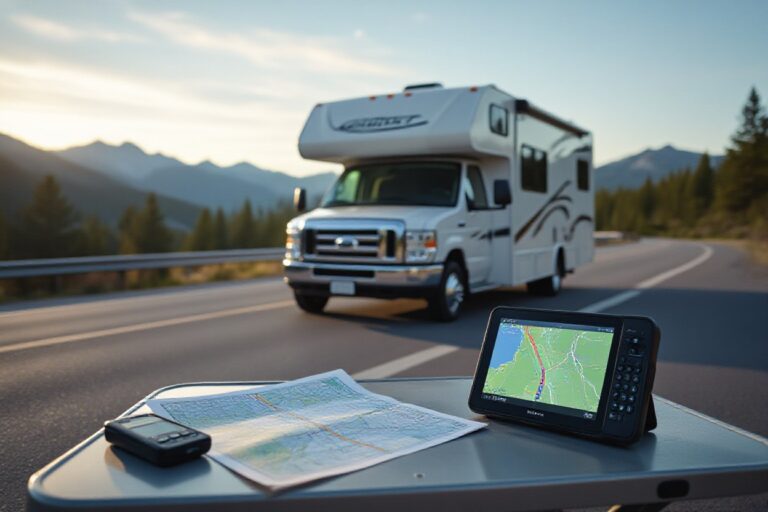
It helps to track real-world MPG on several trips, use routing apps that show elevation and fuel stops, and compute cost-per-mile including idling and generator use; you should also light-pack, maintain tire pressure, and drive at steady speeds to stretch each tank and more accurately forecast trip fuel budgets.
Packing Mistakes

Despite common assumptions, poor packing choices create safety and comfort problems: overloading slides and axles, storing heavy items high, failing to segregate liquids, and neglecting weight distribution can exceed GVWR and damage your RV or tow vehicle. You should inventory, weigh cargo, and organize by frequency of use to avoid costly repairs and unstable handling.
Overpacking vs. Underpacking
Between overpacking that adds weight, increases fuel use, and stresses components, and underpacking that leaves you stranded without basics, you must strike balance: prioritize multipurpose gear, set strict item limits per storage zone, and pack by tasks so your most-used items are accessible.
Forgetting Essential Items
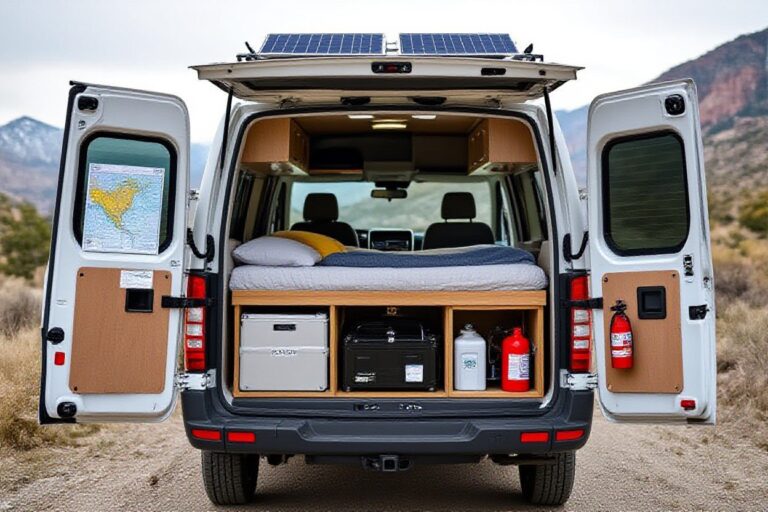
Beside common omissions like hoses, surge protectors, adaptors, and spare fuses, owners often forget wheel chocks, leveling blocks, basic tools, a flashlight, or prescribed medications; keeping a permanent imperatives bin and a predeparture checklist reduces the chance you will need to stop and improvise.
Due to forgetting small but important items, you can face unsafe situations, delays, and extra expense; establish and review a standardized checklist before each trip, stash duplicates in your tow vehicle, and place high-use items near an exterior door so you can access them without unpacking.
Final Words
Presently you should focus on learning basic RV systems, routine maintenance, weight distribution, and safe driving habits to avoid common pitfalls. Establish a pretrip checklist, practice backing and turning, monitor tire pressure and fluid levels, and plan realistic budgets for fuel and repairs. By adopting disciplined habits and seeking guidance from experienced owners, you’ll protect your investment and enjoy more confident, trouble-free travels.