Different Types of Camping Explained Simply
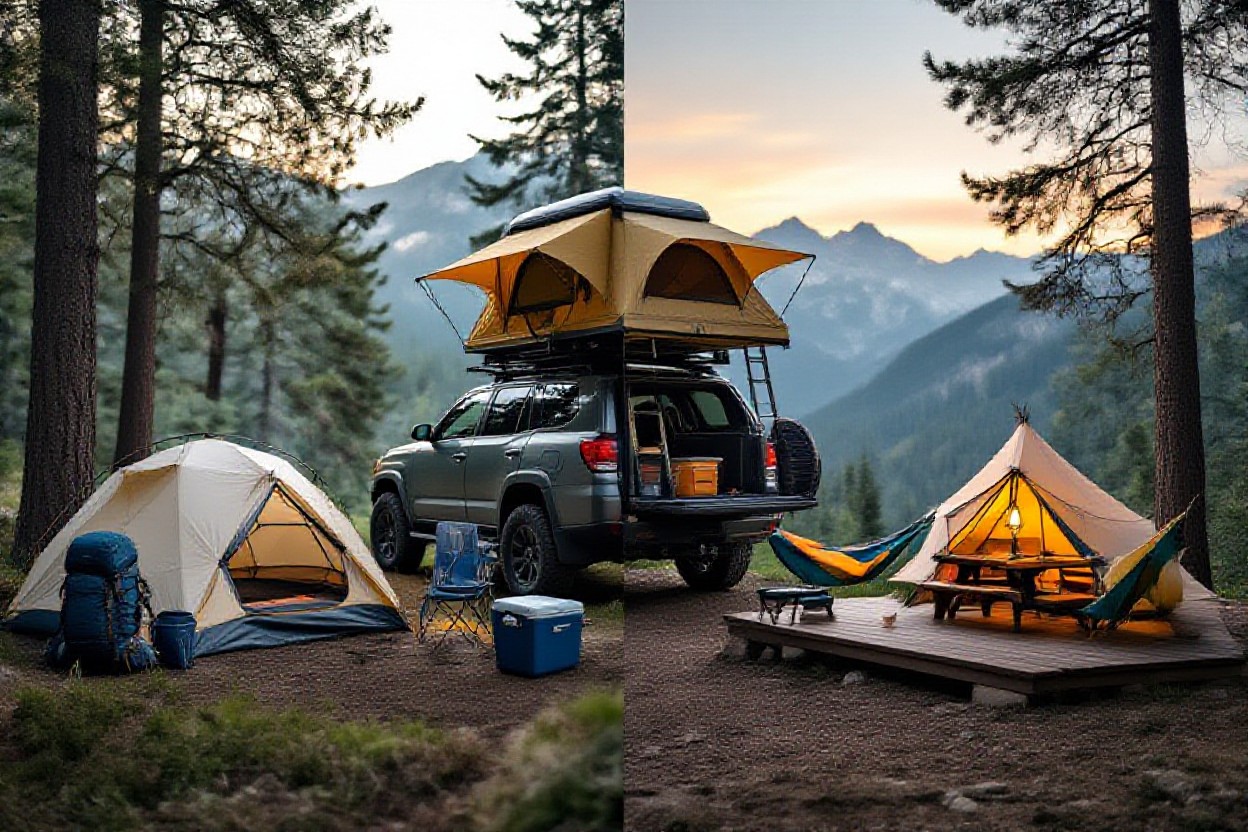
Most camping styles offer distinct experiences, and you can choose one that fits your comfort level, skills, and goals; from car camping and glamping for convenience and amenities, to backpacking, canoe camping, and dispersed wilderness camping for solitude and self-reliance, each approach has specific gear, safety practices, and environmental considerations you should know to plan effectively and enjoy the outdoors responsibly.
Tent Camping
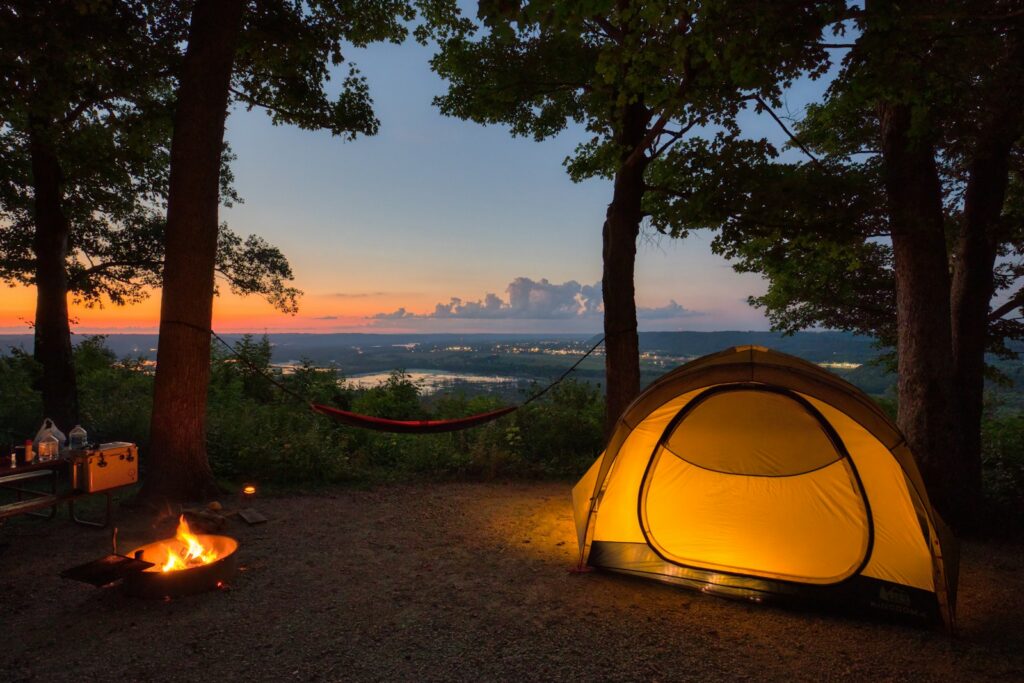
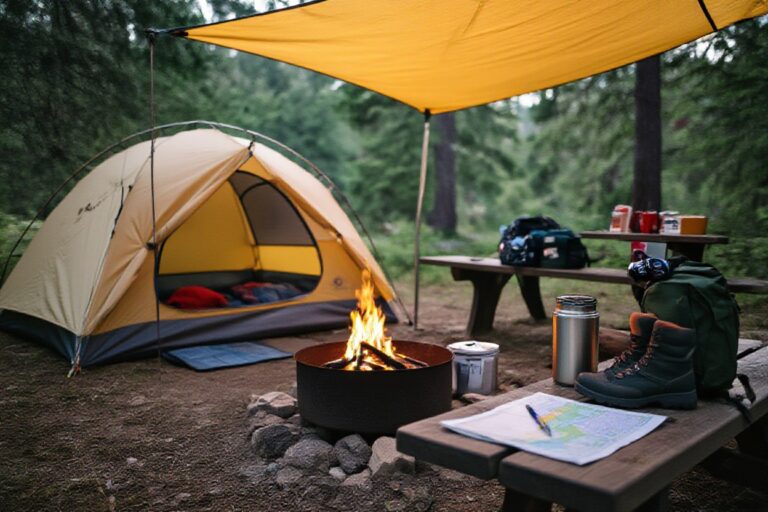
Your tent camping experience depends on choosing the right shelter, site, and setup-match tent size and season rating to weather and group size, prioritize ventilation and waterproofing, practice pitching before you go, bring a reliable groundsheet and sleeping system, and pick level, well-drained sites to maximize comfort and safety.
Family Tent Camping
With family tent camping you focus on space, simplicity, and shared routines-choose a roomy, easy-to-assemble tent with separate sleeping areas, bring durable flooring and extra stakes, organize gear in labeled bins, plan child-friendly activities and meal rhythms, and establish clear safety and lights-out procedures so everyone knows their role.
Solo Tent Camping
Above all, solo tent camping emphasizes lightness, self-reliance, and careful site choice-select a lightweight, sturdy tent you can pitch quickly, test gear at home, choose sheltered sites near water and exit routes, carry navigation and a reliable communication method, and practice Leave No Trace to protect the places you visit.
Family lessons often translate to smarter solo trips: if you learned space-saving and organization while camping with others, apply that discipline when you go alone-minimize gear, favor multipurpose items, refine a quick camp setup, rehearse emergency procedures, and set a clear check-in plan with someone you trust so your solo outings stay efficient and safe.
RV Camping
There’s a unique blend of mobility and comfort in RV camping that lets you bring your shelter, kitchen, and sleeping space to the trailhead, lake, or national park; you control route, pace, and amenities so your trip can be rustic, relaxed, or luxurious depending on your vehicle and goals.
Benefits of RV Camping
An RV gives you shelter, storage, and creature comforts on the move, so you can extend stays, avoid nightly packing, and keep crucials on hand; you gain weather protection, onboard cooking, and a predictable sleep setup that makes family or solo trips more manageable and enjoyable.
RV Types and Options
Options span compact campervans to large motorhomes and towable units, offering trade-offs in drivability, living space, and systems; you choose based on where you drive, how many you host, and whether you prioritize maneuverability or residential amenities.
- Class A – full-featured motorhome for extended travel and living.
- Class B – van-style, easy to park and fuel-efficient for solo or couple trips.
- Thou match vehicle size to your campsite types and towing comfort levels.
| Class A | Large motorhome; gives you residential comforts and long-range capability. |
| Class B | Campervan; lets you access tighter roads and saves on fuel for shorter trips. |
| Class C | Mid-size motorhome; balances space and drivability for family use. |
| Travel Trailer | Towed unit; lets you leave tow vehicle at camp and offers varied sizes. |
| Fifth Wheel | Large towable with spacious interiors; needs a compatible truck and hitch. |
For instance, you should assess sleeping capacity, onboard systems, and parking needs before buying or renting, because those choices affect cost, campsite options, and maintenance responsibilities during your trips.
- Check water, power, and waste systems to match your camping style.
- Evaluate towing and driving comfort if you plan to move often.
- Thou balance features against budget, upkeep, and where you intend to camp.
| Travel Trailer | Flexible sizes; you unhook the tow vehicle to explore locally. |
| Fifth Wheel | High interior space; best if you camp long-term or full-time. |
| Pop-up Camper | Lightweight and compact for storage, with lower cost and setup trade-offs. |
| Toy Hauler | Combines living area with cargo space for bikes, ATVs, or gear. |
| Camper Van | Easy to drive and park; ideal for flexible travel and quick getaways. |
Car Camping
Clearly you can drive to your site and set up a comfortable base with more gear and flexibility than backpacking; you sleep near your vehicle, store food in the car, and bring larger tents, chairs, coolers, and power supplies to suit your trip and comfort level.
Essentials for Car Camping
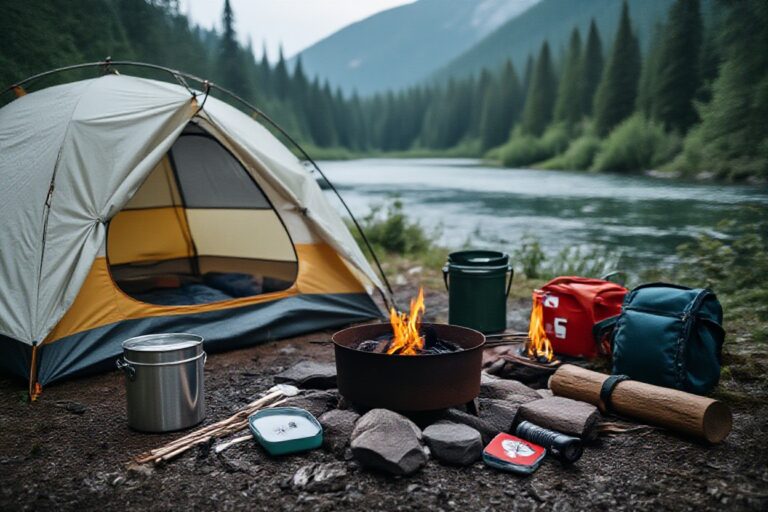
About your crucials, you should pack a reliable shelter, warm sleeping system, stove or grill, secure food storage, lighting, basic tools, and a first-aid kit; add layers, rain protection, and vehicle recovery gear so you can handle changing conditions and stay comfortable.
Safety Tips for Car Camping
Camping, you must secure food away from sleeping areas, keep a charged phone and power bank, follow park rules, monitor weather, and check vehicle condition before settling in.
- Store food in the vehicle or a locked container to avoid wildlife
- Keep a headlamp, spare batteries, and a fire extinguisher handy
- Park on level ground and note escape routes
Any time you detect hazards, move to a safer spot or contact authorities with your location.
Hence you should practice campfire safety, keep fires small, clear the area of debris, fully extinguish before sleeping, and keep tools for vehicle repairs and a compact first-aid kit accessible.
- Learn basic first-aid and vehicle troubleshooting
- Carry maps, a compass, and extra fuel
- Inform someone of your route and expected return
Any action you take to reduce risk improves your ability to handle emergencies and preserve the trip.
Backpacking
To backpack you carry everything you need and move your camp as you hike, relying on route planning, stamina, and field skills; you aim for efficient packing, manage daily mileage, and adapt to weather and terrain to stay safe and enjoy remote environments.
Gear for Backpacking
Among the crucials you pack are a lightweight shelter and sleeping system, breathable layered clothing, a reliable backpack, stove and fuel, water treatment, navigation tools, headlamp, and a compact medical kit; you prioritize items that reduce weight without sacrificing safety.
Popular Backpacking Trails
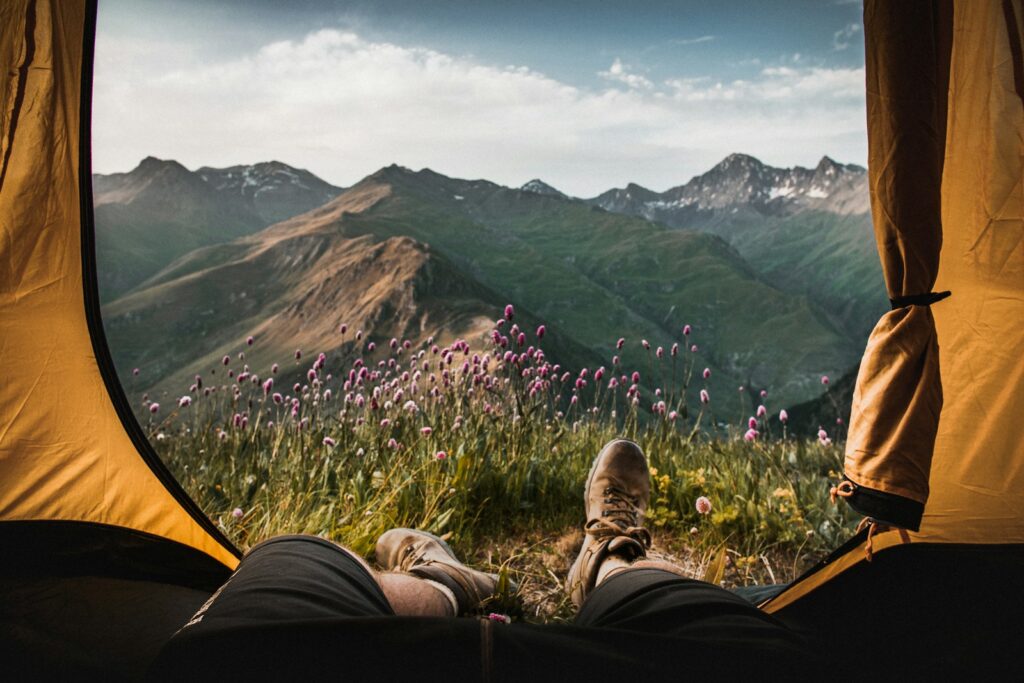
Beside iconic long-distance routes like the Appalachian Trail, Pacific Crest Trail, and Camino de Santiago, you’ll find varied options such as the John Muir Trail, Torres del Paine Circuit, and local loop hikes that suit different durations and skill levels.
Even when choosing a trail you should verify permits, seasonal access, resupply points, elevation profiles, and emergency exit options; you plan daily distances, water availability, and contingency strategies so your trip matches your fitness and goals.
Glamping
For a blend of nature and comfort, glamping lets you enjoy the outdoors without sacrificing amenities, offering furnished tents, heated yurts and private cabins that enhance your outdoor experience with convenience and style.
Luxury Accommodations
After you swap a sleeping bag for proper bedding, you’ll find tents, yurts and cabins equipped with electricity, heating, private bathrooms and designer furnishings so your nights are comfortable and your days are easy to plan.
Unique Glamping Experiences
Beside standard luxury, glamping presents creative stays-treehouses, converted airstreams, ice domes and safari tents-that immerse you in landscapes and activities specific to each region while keeping comfort front and center.
Luxury offerings often include private chefs, guided excursions, spa services and bespoke design, so you can choose stargazing, wellness, culinary or wildlife-focused stays that match your interests and comfort level.
Winter Camping
Unlike summer trips, winter camping forces you to manage extreme cold, shorter daylight, and snow-covered terrain; you must plan for slower travel, insulated shelter, reliable heat sources, and clear emergency contingencies to stay safe and comfortable.
Preparation for Cold Weather
At the outset, you should master layering, choose a sleeping system rated below expected temperatures, insulate beneath your sleeping bag, check weather and avalanche forecasts, stock extra fuel and high-calorie food, and practice emergency skills so you can respond confidently to changing conditions.
Recommended Winter Gear
Along with standard backpacking items, bring a four-season tent or plan for a snow shelter, a stove that performs in cold, a reliable map or GPS, a headlamp with spare batteries, warm mitts, and footwear rated for winter terrain so your core and extremities stay protected.
In addition, select moisture-wicking base layers, a high-loft insulating midlayer, a waterproof-breathable shell, a sleeping bag with an appropriate temperature rating and a high-R-value pad, plus crampons, gaiters, or an ice axe when you expect steep or icy slopes to ensure mobility and safety.
Summing up
Hence you can match your skill level, gear, and comfort preferences to different camping styles-car camping for accessibility, backpacking for mobility, dispersed or backcountry for solitude, and glamping for amenities-so your choice aligns with terrain, weather, and how much effort you want to invest.