Different Types of Freshwater Fishing Explained
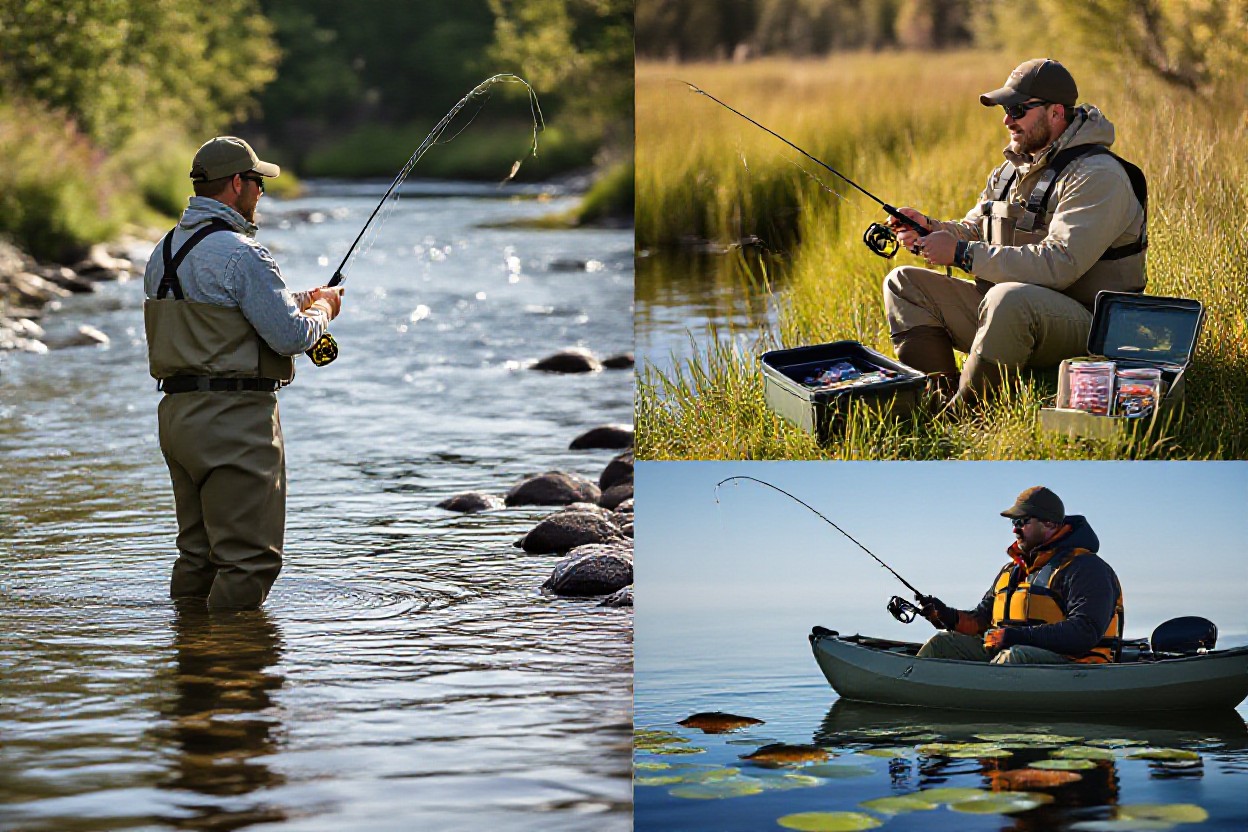
Guide to freshwater fishing types helps you master the methods best suited to your waters and goals, detailing baitcasting, spinning, fly, bank, and ice fishing and the tackle, strategies, and seasonal considerations for each. You’ll learn how habitat, species behavior, and your skill level influence technique selection so you can plan trips confidently, optimize gear, and land more fish.
Overview of Freshwater Fishing
The art of freshwater fishing spans lakes, rivers, streams, and ponds, and you can target species from panfish to bass and trout using varied techniques while adapting to habitat, season, and fish behavior to improve results and enjoyment.
Definition and Importance
Any angler should know freshwater fishing is the pursuit of fish in inland waters, offering you food, recreation, and a direct connection to nature while your choices support conservation and the health of local ecosystems.
Equipment and Gear
By selecting the right rod, reel, line, hooks, lures, and terminal tackle you match species and technique; your clothing, footwear, and safety gear are part of the setup and should align with water conditions and target fish size.
Another key aspect is matching rod action, reel gear ratio, and line test to your target species; you should maintain gear, practice knot tying, and carry spares so your setup performs reliably across techniques and conditions.
Types of Freshwater Fishing
Any freshwater outing varies by method; you choose based on species, water and skill.
- Fly Fishing
- Spin Fishing
- Bait Fishing
- Trolling
- Ice Fishing
| Fly Fishing | presentation-focused, delicate casts |
| Spin Fishing | versatile, lure-driven |
| Bait Fishing | scent and placement |
| Trolling | covering open water |
| Ice Fishing | vertical bites through ice |
The method you pick shapes your gear and technique.
Fly Fishing
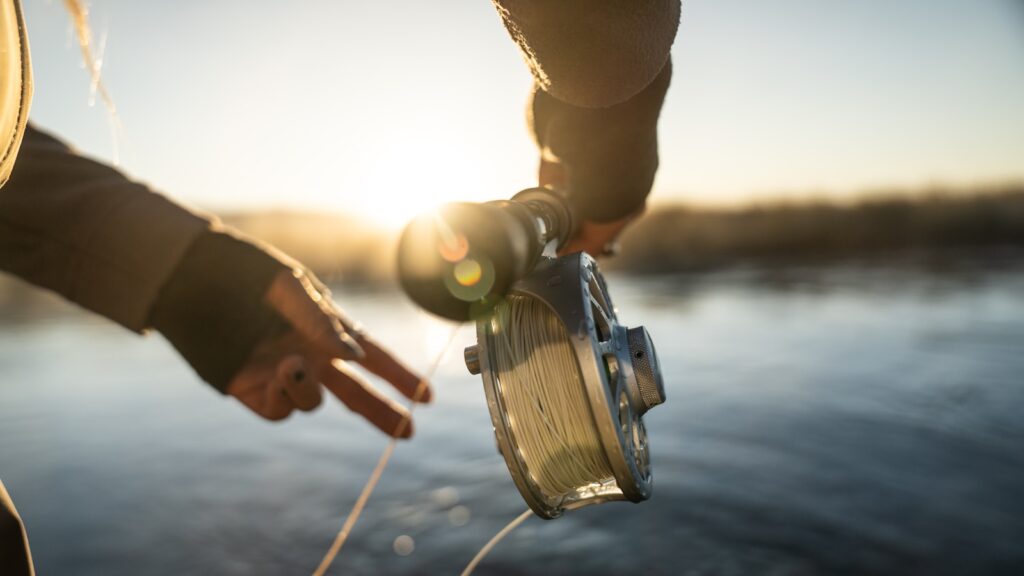
Above all, fly fishing asks that you master presentation; you cast lightweight flies to mimic insects and use longer rods to tempt wary trout and panfish in streams and clear-water lakes.
Spin Fishing
Against changing conditions, spin fishing gives you adaptability; you cast and retrieve lures with a spinning rod and reel to target bass, pike and walleye across varied depths and cover.
Indeed, spin fishing lets you tweak lures, retrieve speed and tackle quickly; you can fish light for finesse or heavy for larger predators and switch retrieves to trigger strikes.
Bait Fishing
Fishing with bait lets you leverage natural attractors; you present live or cut bait on simple rigs to entice catfish, carp and panfish, relying on scent, placement and patience.
Another benefit is learning to read structure and bait behavior; you adjust hook size, bait type and rigging to increase hookups and tailor tactics to species.
Popular Freshwater Species
Many anglers focus on trout, bass and catfish because each species demands different water, tackle and tactics; you adapt your gear, presentation and timing to match habitat and feeding behavior to improve your success on lakes, rivers and streams.
Trout
Beside their sensitivity to water quality, trout reward precise presentation; you fish cold, oxygenated streams and spring-fed lakes with light rods, flies or small lures, reading current seams, riffles and structure to place your offering where wary trout will take it.
Bass
Trout anglers often switch to bass in warmer months, because you’ll find largemouth and smallmouth in varied habitats; you employ medium to heavy rods and lures-soft plastics, crankbaits and topwater baits-to provoke powerful, aggressive strikes around cover.
But when targeting bass you focus on structure-weed edges, submerged timber and rock-and vary retrieve speed, depth and bait profile; you fish shallow early and late, or use finesse presentations when pressured fish tighten up, adapting to season and water clarity.
Catfish
Beside being primarily nocturnal, catfish occupy deep holes, channels and slack water; you fish heavier tackle with strong lines, presenting cut bait, live bait or prepared baits on the bottom and locating fish by depth, current breaks and cover.
Catfish respond strongly to scent and timing; you often fish at dusk or through the night, anchor in quiet current seams, set multiple rods and expect powerful runs and long fights that require stout rods, reliable reels and secure knots.
Freshwater Fishing Techniques
To excel in freshwater fishing you must match techniques to species and conditions, adjusting rod action, line class and bait presentation; you read water, interpret structure and seasonal behavior, and apply methods like casting, trolling, or stillfishing with deliberate control to maximize hookups and landings.
Casting Methods
By mastering overhead, sidearm and roll casts you increase accuracy and distance, allowing you to place lures near cover and drop-offs; you refine wrist and forearm motion, choose appropriate lure weight and rod length, and practice timing to reduce tangles and improve your hookset rate.
Trolling
Across lakes and slow-moving rivers, trolling lets you cover large areas to locate active fish by varying speed, lure type and depth with downriggers, weights or planer boards; you monitor lines and electronics to find productive lanes and adjust presentations on the move.
But when trolling effectively you manage boat speed, lure spacing and depth to avoid spooking fish, use sonar to detect baitfish and thermoclines, change lures or speeds if activity drops, and maintain constant attention to rod tips and line behavior to convert strikes into landings.
Environmental Considerations
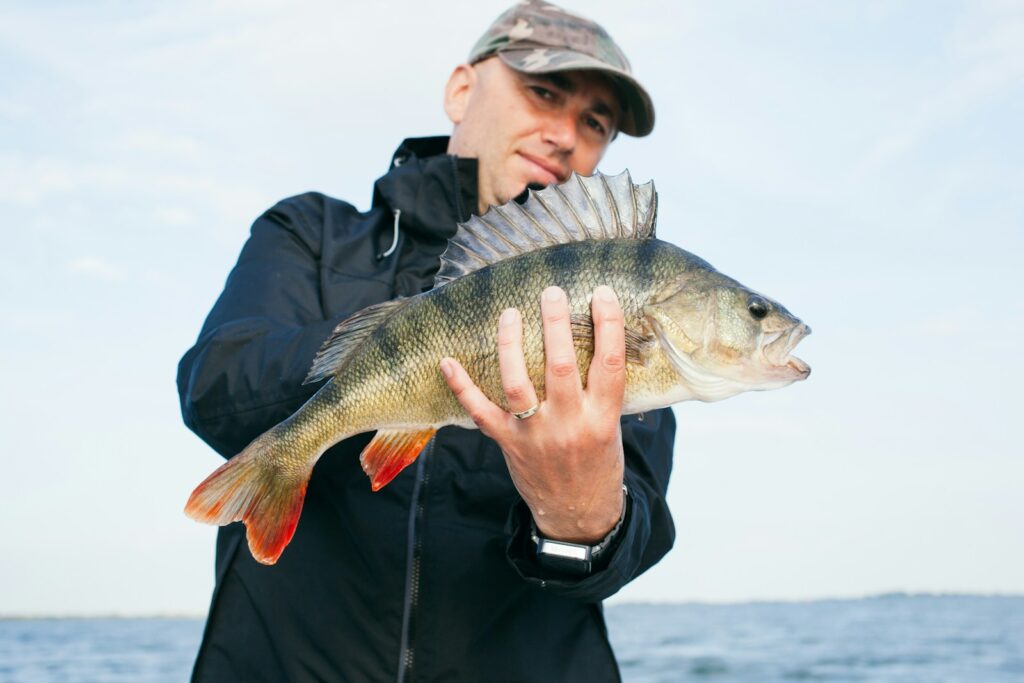
Keep your fishing choices aligned with habitat protection: choose sustainable bait, avoid disturbing spawning beds, follow seasonal restrictions, and practice proper catch-and-release technique to minimize stress. You can scout for sensitive areas and use barbless hooks, handle fish with wet hands, and pack out all trash to help maintain healthy freshwater ecosystems.
Conservation Efforts
About local and national conservation initiatives: you can support habitat restoration, invasive species control, stream cleanups, and citizen science monitoring. Join or donate to reputable groups, comply with regulations, and report illegal activity; your participation helps secure fish populations and improves water quality for anglers and wildlife alike.
Impact of Pollution
Above the surface, pollution reduces oxygen, introduces toxins, and alters food webs, making fish less abundant and healthy; when you fish in contaminated waters you risk harming your catch and exposing yourself to pollutants, so check advisories and avoid areas with visible contamination.
This pollution often comes from agricultural runoff, urban stormwater, industrial discharges, and failing septic systems; you can limit impacts by using buffer strips, reducing fertilizer use, advocating for better waste management, and supporting policies that tighten discharge standards.
Regulations and Licensing
For lawful freshwater fishing you must carry the correct license and follow federal, state and local rules; you are responsible for observing seasons, size and bag limits, gear restrictions and closed areas, and for presenting your permit to enforcement officers when requested.
Local Fishing Laws
About local ordinances: you should check municipal and county rules that can alter state regulations, note private property boundaries and access restrictions, obey posted signage at boat ramps and shorelines, and contact local agencies for area-specific advisories before you fish.
Permits and Fees
Any permit you need-resident, nonresident, short-term, or specialty stamps-often requires payment by card or online; you should buy and carry the correct permit, verify its dates, and understand that fees typically fund conservation and habitat management.
Laws regarding exemptions, reduced rates for youth, seniors, veterans, and disabled anglers vary by jurisdiction; you should verify eligibility, confirm refund and transfer policies, and renew or replace lost permits promptly to avoid fines during routine checks.
Final Words
Considering all points, you can choose the freshwater fishing style that best fits your skill, location, and conservation ethics. Whether you prefer fly, spin, baitcasting, or ice fishing, mastering gear, techniques, and species behavior will improve your success and stewardship. Use local regulations and best practices to protect fisheries and enhance future angling opportunities.