Essential Camping Basics Every Beginner Should Know
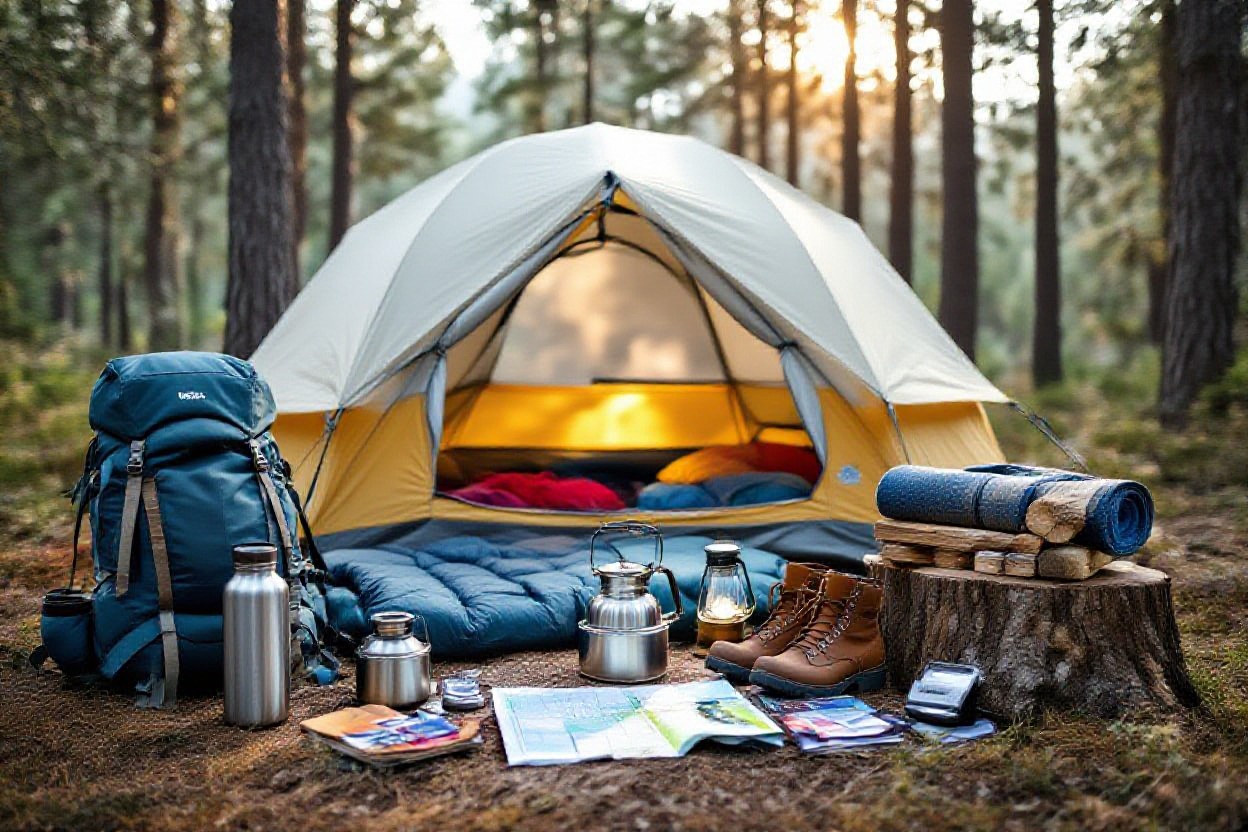
Most beginners find success by focusing on three pillars: shelter, safety, and preparation. You should choose appropriate shelter and sleep systems, pack layered clothing, plan meals and water, learn basic navigation and firecraft, carry a first-aid kit, and follow Leave No Trace principles. With these foundations and practice, your trips will be safer, more comfortable, and more enjoyable.
Choosing the Right Campsite

To pick a campsite that fits your plans, assess flatness, drainage, wind exposure, shade, proximity to water and trails, vehicle access, nearby hazards, and park rules; prioritize safety, comfort, and minimal impact so your gear and group perform well and you can enjoy the environment without surprises.
Location Considerations
The immediate setting determines comfort and risk: evaluate flooding potential, sun and wind patterns, insect and wildlife activity, distance to potable water and toilets, cell signal if you need it, and nearby foot traffic so you can set expectations for privacy and noise while complying with local regulations.
Campground Types
Types range from full-service drive-up sites to remote backcountry spots, so match the type to your gear, experience, group size, and desire for amenities or solitude.
Right after selecting a type, check permit needs, reservation windows, group size limits, generator and pet policies, and access logistics so you avoid surprises on arrival.
- Weigh amenities versus solitude based on how much gear and comfort you need.
- Consider access difficulty and whether your vehicle or fitness level suits the site.
- Confirm regulations, fees, and seasonal closures before you go.
Knowing your priorities will guide the campground choice and help you plan a safer, more enjoyable trip.
Essential Gear and Equipment
Assuming you’re outfitting your first trip, prioritize versatile, durable items: a quality backpack, layered clothing, waterproof shelter, a reliable sleeping system, navigation tools, headlamp, multi-tool, and a basic first-aid kit. You should balance weight and functionality, test gear at home, and pack spares for small parts like batteries. Proper gear selection lets you focus on safety and comfort while you build skills and confidence outdoors.
Shelter Options
One tent choice is a freestanding three-season model that gives you easy setup and weather protection, while tarps and hammocks offer lightweight, minimalist alternatives; you should select based on expected conditions, group size, and how much weight you can carry. Test setups at home and practice site selection to keep your camp dry and comfortable.
Cooking Supplies
By choosing a compact stove, lightweight cookware, fuel appropriate to your trip, and reliable utensils, you enable efficient meal prep; you should also carry a windscreen, a small pot scrubber, and food storage that deters wildlife. Prioritize safe fuel storage and know local fire regulations so your cooking setup is both effective and compliant.
Plus carry basic seasonings, quick-cook staples like dehydrated meals, energy-dense snacks, and a simple meal plan so you avoid excess weight; you should practice stove use and cleanup procedures to minimize impact and ensure safe, hot meals when you need them most.
Safety and First Aid
Even when conditions seem mild, you should have a clear plan for common campsite hazards: check weather, secure food from wildlife, use fires responsibly, and tell someone your itinerary. Carry a basic first-aid kit and know how to treat bleeding, sprains, hypothermia, and minor burns. Your preparedness and good judgment reduce risk and let you handle emergencies calmly.
Basic First Aid Kit
Behind your pack, keep a compact kit with adhesive bandages, sterile gauze, antiseptic wipes, tweezers, blister pads, pain relievers, antihistamines, medical tape, a triangular bandage, and any prescription meds. Include a CPR mask and a concise first-aid guide, and practice applying bandages and treating sprains so you can act confidently if an injury occurs.
Navigational Tools
Navigational gear should include a topographic map and compass you can use without power, plus a GPS or smartphone with offline maps and spare batteries or a power bank. Learn to read terrain features and set bearings, and mark your planned route and turnaround time so you can stay on course and avoid getting off-trail.
Also practice with your map, compass, and GPS before the trip: take bearings, follow a waypoint, and test signal behavior in terrain similar to where you’ll camp. Download offline maps, carry extra power, note key landmarks, and estimate travel times so you can navigate confidently if batteries fail or visibility drops.
Campfire Basics
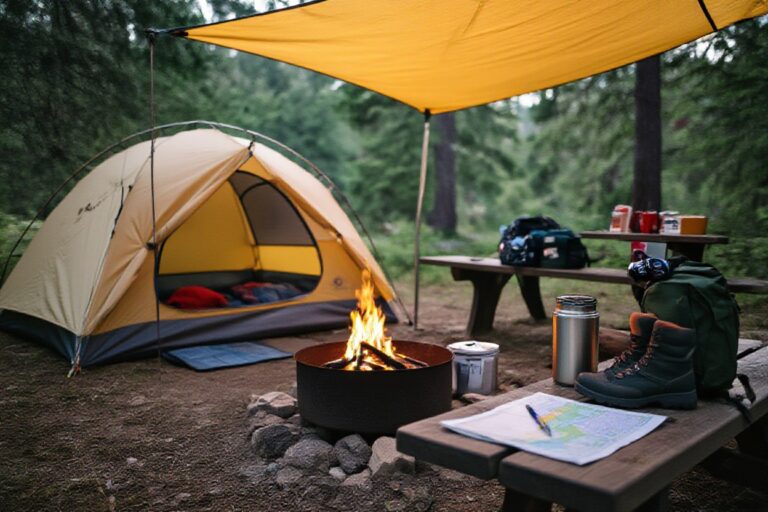
Once again you should prioritize selecting a safe fire site, clear a 10-foot area of flammable material, use established rings when available, keep water and a shovel nearby, and never leave a fire unattended; extinguish it fully by dousing and stirring until cool to touch.
Fire Safety
Along with site choice, you must check local rules and weather, keep fires small, supervise children and pets, avoid burning plastics or wet materials, and keep a bucket or extinguisher at hand; if wind picks up, put the fire out immediately.
Cooking Over a Fire
On a campfire you can use grills, skewers, or foil packets, position coals for even heat, control flames by moving food to cooler spots, and use a thermometer for meats; keep utensils dedicated to hot food and clean surfaces to avoid cross-contamination.
But you should plan meals that suit open-fire cooking, pre-cook dense items, soak wooden skewers to prevent burning, use heavy cookware like cast iron, employ direct heat for searing and indirect heat for slow cooking, and manage embers to maintain steady temperatures.
Food Preparation and Storage

All your food prep and storage choices shape comfort and safety at camp; bring compact cookware, resealable bags, a small cooler or insulated tote, and airtight containers, plan meals that limit perishables, separate raw and ready-to-eat items, and secure food from wildlife.
Meal Planning
Preparation should focus on simple, high-energy meals you can cook quickly; calculate portions, pre-measure ingredients, favor one-pot recipes and dehydrated options, pack extra snacks and easy breakfasts, and match meal complexity to your stove fuel and cooking skill.
Food Safety Tips
Above all, keep perishable foods cold, cook proteins to safe temperatures, avoid cross-contamination by using separate utensils and cutting boards, wash your hands often, and discard food left at ambient temperature for extended periods. This prevents foodborne illness on the trail.
- Keep a thermometer in your cooler and check temperatures regularly.
- Store raw items in sealed bags beneath ready-to-eat foods.
- Use ice packs or block ice and replenish as needed.
- Pack out all food waste and compostable scraps.
With more attention to sanitation you reduce risk: sanitize surfaces, use a food thermometer to confirm doneness, cool leftovers before sealing, avoid refreezing thawed items, and dispose of waste properly. This habit protects you and fellow campers.
- Carry biodegradable soap and a small scrub brush for dishes.
- Keep separate containers for clean and dirty utensils.
- Bring a small first-aid kit for cuts to prevent contamination.
- Label and date leftovers so you know when to discard them.
Leave No Trace Principles
After you plan responsibly, practice the seven Leave No Trace principles to protect natural areas: choose durable campsites, pack out all waste, minimize campfire impacts, respect wildlife, and be considerate of other visitors so your presence leaves the environment unchanged.
Minimizing Impact
At camp you should use established sites and trails, avoid trampling vegetation, confine group activities, use a camp stove instead of open fires when possible, dispose of toilet and wash water properly, and carry out everything you brought in to reduce lasting damage.
Wildlife Interactions
Against feeding or approaching animals, you must secure food and scented items, store them in approved containers or vehicles, keep a respectful distance, and never alter animal behavior by offering treats or shelter so you do not endanger yourself or the wildlife.
This guidance covers encounters: if you find young animals, leave immediately and keep your distance, do not take photos at close range, make yourself large and loud only to deter predators, keep pets under control, and report aggressive or habituated wildlife to rangers so they can protect both you and the animals.
Summing up
On the whole, if you prepare thoughtfully you will have safer, more enjoyable trips: select suitable shelter and layered clothing, pack reliable navigation, lighting, water, food, and a basic first-aid and repair kit, practice fire and cooking safety, check weather and wildlife hazards, and test your gear before you go so you can handle common problems confidently.