What to Wear for Hiking in Different Weather?
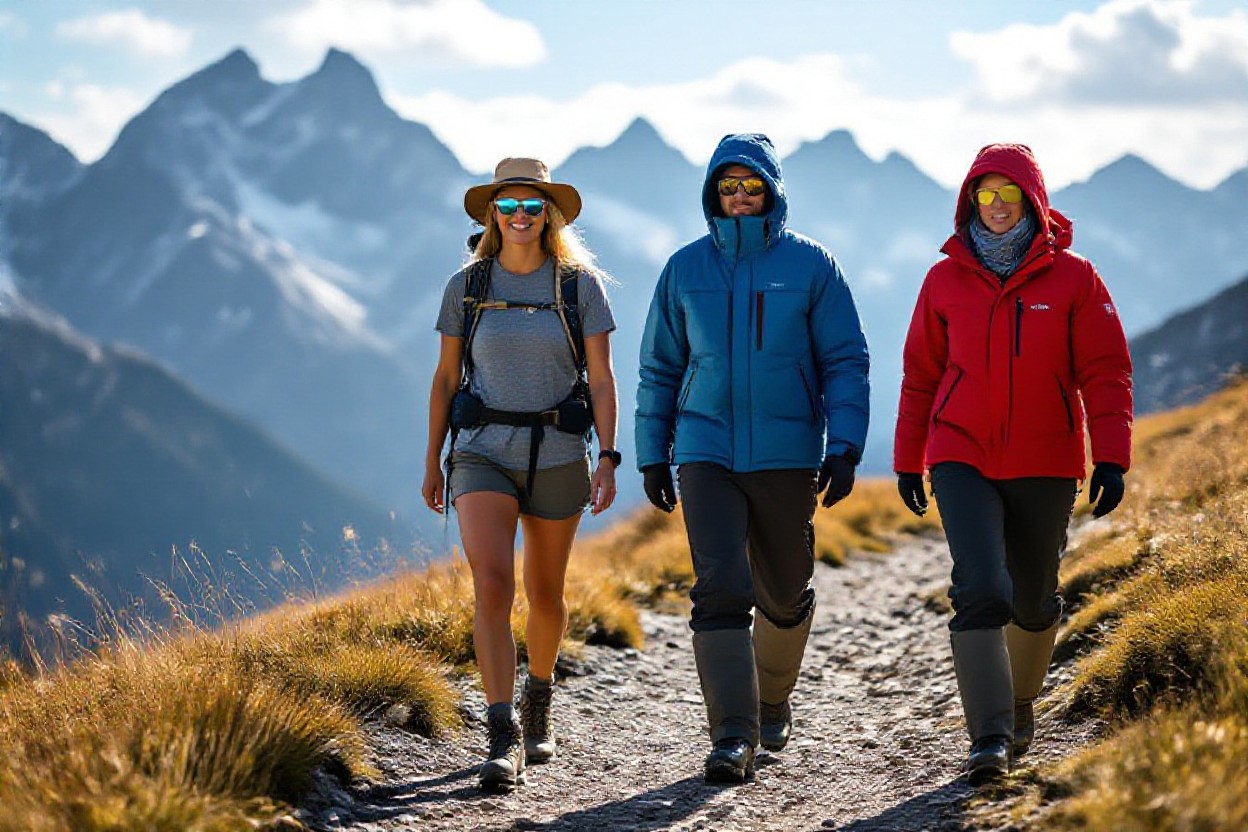
You should match your clothing to conditions by using a layering system: moisture-wicking base layers when it’s warm, insulating mid-layers and a windproof shell in cold or alpine settings, and a waterproof breathable jacket plus quick-dry fabrics when rain is likely. Choose sturdy, broken-in footwear with appropriate traction, sun protection for hot days, and pack spare socks and a hat so your gear adapts as the weather changes.
Hiking in Warm Weather
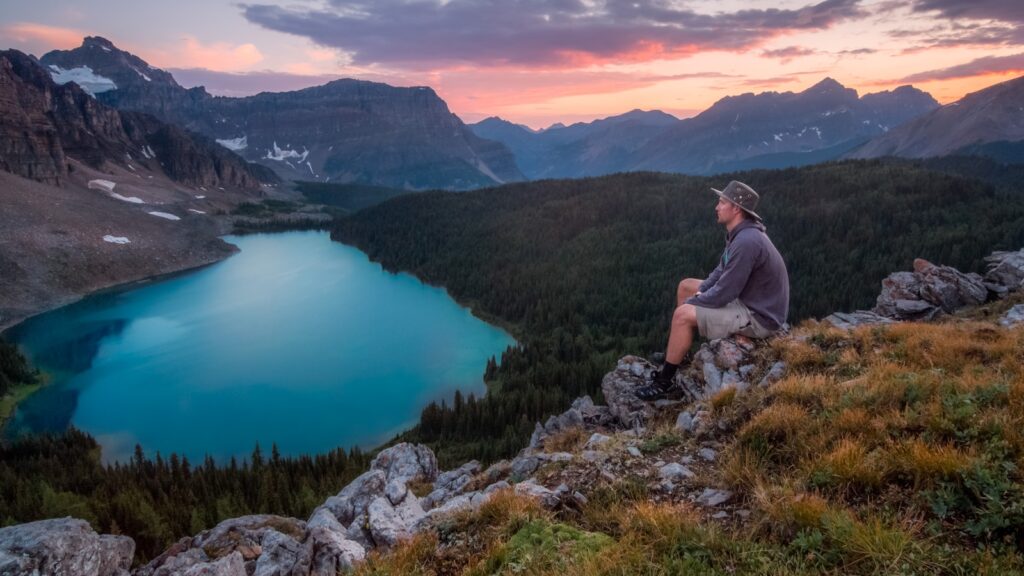
The most effective strategy for warm-weather hiking is to prioritize breathable, light-colored clothing, ventilation, and hydration; you should choose moisture-wicking shirts, vented layers, a wide-brim hat, and breathable footwear to stay cool on long trails.
Lightweight Fabrics
By choosing lightweight, quick-drying fabrics you reduce sweat buildup and chafing; synthetic blends and merino wool pull moisture away from your skin, dry fast, control odor, and help you maintain a comfortable body temperature during sustained activity.
Sun Protection
Among your warm-weather priorities, sun protection should guide your hat, clothing, and sunscreen choices; you should wear UPF-rated fabrics, wraparound sunglasses, and a broad-brim hat to shield exposed skin from intense UV rays.
For instance, apply SPF 30 or higher sunscreen 15-30 minutes before you hit the trail, reapply every two hours or after heavy sweating or swimming, and carry a lightweight sunshade or neck gaiter for extended protection.
Hiking in Cold Weather
Some cold-weather hikes demand meticulous layering and gear choices: you should use a moisture-wicking base layer, an insulating mid layer, and a waterproof, breathable shell to block wind and wetness; add thermal socks, insulated boots, gloves, and a hat, then adjust layers as your exertion changes to stay dry and warm.
Layering Techniques
Along trails in cold conditions you should build layers that trap heat yet allow moisture to escape: a snug base layer, a lofted mid layer for insulation, and a shell with vents for temperature control; zip, add, or shed pieces to regulate sweat and prevent chill during stops.
Insulation Materials
Before you pick insulation, weigh down versus synthetic: down offers superior loft-to-weight and compressibility for very cold dry trips, while synthetic retains warmth when wet and dries faster, so choose based on typical weather, pack space, and how much moisture exposure you expect.
In addition you should match insulation weight to activity: lighter, highly compressible options work for fast, high-output hikes while thicker, higher-loft garments benefit longer stops; maintain loft by avoiding compression in your pack and follow care instructions to preserve fill performance over seasons.
Hiking in Rainy Conditions
You should wear a breathable waterproof shell, windproof outer layer, an insulating midlayer if it’s cold, and quick-drying base layers; finish with waterproof boots and gaiters to keep your feet and lower legs dry.
Waterproof Gear
On waterproof shells, choose seam-taped, hooded jackets with articulated sleeves and pit zips; carry a compact rain cover for your pack and lightweight waterproof overtrousers to maintain your mobility.
Moisture Management
Any moisture-wicking base layers made from merino wool or synthetic fibers will move sweat away from your skin; avoid cotton and use venting and layering to regulate temperature as you work up a sweat.
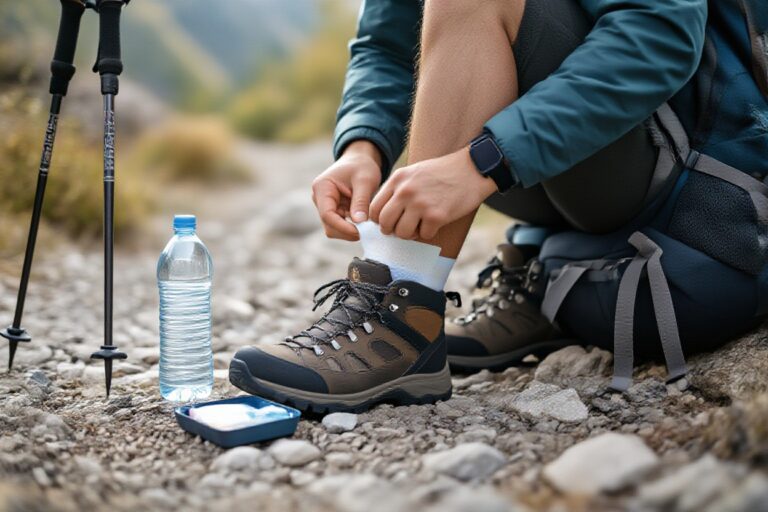
In addition, pack spare socks and a lightweight quick-dry midlayer so you can change damp garments during breaks; drying layers on the move and using breathable vents reduces chill and helps prevent blisters.
Hiking in Snowy Terrain
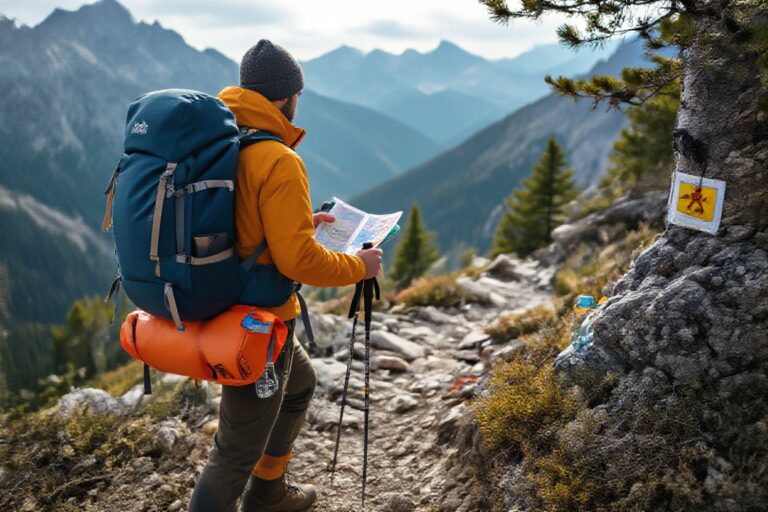
Once again, when you hike in snowy terrain you must prioritize warmth, waterproofing and visibility: layer a moisture-wicking base, insulating midlayer and a windproof, waterproof shell; protect your head, hands and eyes; use bright colors or reflectors for visibility; shorten routes to daylight hours, carry navigation tools, emergency shelter and extra food; plan for slower travel and conserve energy.
Snow-Specific Attire
Among your choices pick merino or synthetic base layers, a lofted synthetic or down midlayer, and a breathable, seam-taped shell; add insulated, waterproof gloves, a snug beanie or balaclava, and a face mask for wind; gaiters keep snow out of cuffs; avoid cotton and prioritize garments that let you ventilate to manage perspiration and prevent chilling.
Footwear Considerations
By selecting insulated, waterproof boots with firm ankle support you improve warmth and stability; choose soles with aggressive lugs and crampon compatibility for steeper or icier terrain, pair with waterproof gaiters and high-quality merino or synthetic socks, and carry microspikes or crampons according to conditions to maintain traction.
A proper fit is necessary: break in your boots before a trip, use a sock-layering system to balance warmth and circulation, consider heat-reflective liners or chemical foot warmers if you face extreme cold, adjust lacing to prevent toe jamming on descents, and inspect tread and crampon attachment points before you head out.
Essential Accessories for All Weather

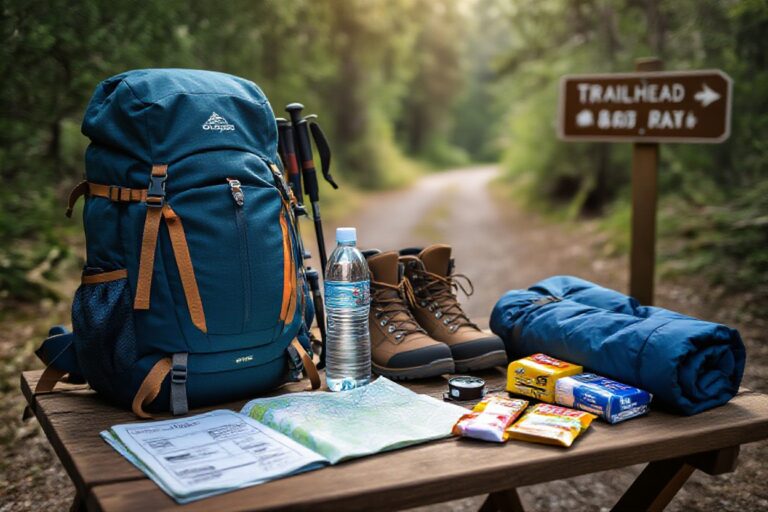
Now assemble a compact kit that protects you from sun, wind, rain and cold: breathable base layers, an insulating midlayer, a waterproof shell, quick-dry socks, sturdy boots, plus a buff or gaiter. You select lightweight, layerable pieces to adapt to changing conditions and maintain mobility.
Hats and Gloves
One sun-blocking hat and a thin pair of gloves that provide warmth without bulk let you manage temperature swings; pack a waterproof hat for storms and insulated gloves for cold, plus liner gloves for dexterity. You’ll swap layers quickly to stay comfortable and functional.
Hydration Packs
Beside carrying bottles, a hydration pack frees your hands and makes sipping easy on the move; choose one with a secure bladder, an easy-to-clean bite valve, and comfortable straps. You should match capacity to route length and prioritize fit to prevent chafing.
In fact, hydration packs double as small gear-haulers: you can stash snacks, a rain shell, your phone, and a basic first-aid kit in pockets while compression straps stabilize the load, and you should flush the bladder after each trip to prevent odors and bacterial buildup.
Common Mistakes to Avoid
Keep avoidable errors from spoiling your hike by addressing layering, gear fit, and fabric choices before you leave: prioritize moisture-wicking base layers, a packable insulating layer, a waterproof breathable shell, and proper footwear; test everything on shorter trips, pack spare socks, and ensure your clothing allows ventilation and movement so temperature and terrain changes don’t catch you off guard.
Overdressing or Underdressing
Across varied terrain and exertion levels you must balance insulation and breathability: overdressing makes you sweat and chills you when activity drops, while underdressing leaves you exposed to cold or sun; use adjustable layers, venting, and quick-dry fabrics so you can fine-tune comfort as conditions and effort change.
Ignoring Weather Forecasts
Overdressing or packing for the wrong conditions often stems from skipping forecasts; you should check temperature ranges, precipitation likelihood, wind, and daytime variability, then choose layers, waterproofing, and shelter options that match expected conditions and potential shifts.
And consult short-term radar and mountain-specific forecasts, factor in elevation and microclimates, plan alternative routes or exit points, and pack emergency shelter and extra insulation if forecasts show instability-adjust your itinerary or turn back if conditions deteriorate to keep yourself safe.
Summing up
With this in mind, you should choose breathable layers for variable conditions, a waterproof outer shell for wet weather, insulating mid-layers for cold, sun-protective clothing and a hat for heat, and sturdy, well-fitting footwear that matches terrain; pack extras and adjust layers as conditions change so your comfort and safety stay under your control.