Hiking Safety Basics Every Hiker Should Know?
You must prepare thoroughly, plan your route, and check weather before heading out; understanding navigation, packing importants, and basic first aid reduces risk on the trail. Use appropriate footwear, carry extra food, water, and layers, inform someone of your itinerary, and know how to respond to common emergencies. These fundamentals keep you safe and confident while hiking.
Essential Gear for Hiking

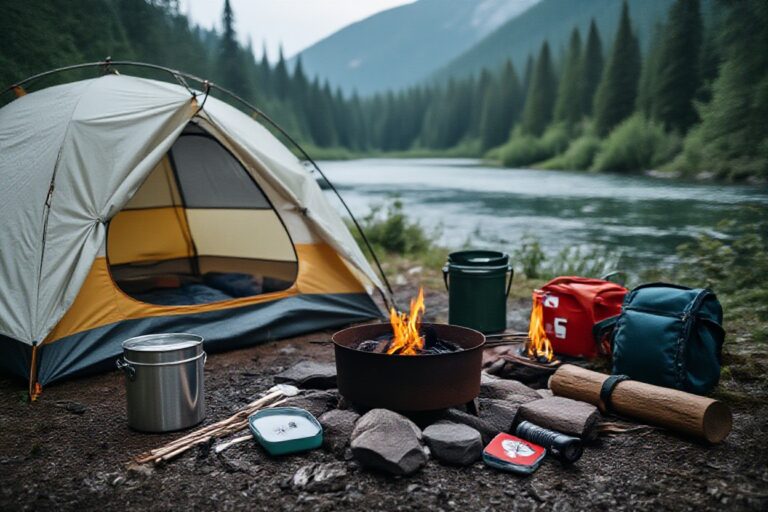
Before you hit the trail, pack a reliable map or GPS, headlamp, first-aid kit, water and filtration, multilayer clothing, a weatherproof jacket, snacks, a knife, waterproof matches or lighter, whistle, and a charged phone with a portable battery; choose items that fit your route, test new gear on short outings, and balance weight with durability to keep you safe and comfortable.
Footwear Choices
Choices you make in boots or trail shoes determine your comfort and safety: select proper fit and support for the terrain, prioritize good traction and sole stiffness where needed, choose breathable yet water-resistant materials for expected conditions, break them in before long trips, and pair them with moisture-wicking socks to prevent blisters.
Clothing Layers
Hiking you should use a three-layer system: a moisture-wicking base layer, an insulating mid layer, and a wind- and rain-blocking outer shell; favor merino or synthetic fabrics over cotton, adjust layers to your exertion and conditions, and opt for packable pieces that you can add or remove easily.
Further you should carry a spare insulating layer and compact emergency shelter, manage ventilation to avoid getting damp from sweat, protect your head and hands with a lightweight hat and gloves, and choose fits and colors that allow mobility while conserving warmth when temperatures drop.
Understanding Trail Conditions
One step you can take to hike safely is to assess trail conditions before and during your trip; check recent trail reports, signage, and local advisories so you can adjust your route, gear, and timing to avoid hazards and unexpected closures.
Weather Awareness
Awareness of forecasted and changing weather helps you pack layers, shelter, and emergency gear; monitor hourly updates, watch for incoming fronts, and alter plans if storms, high winds, or temperature swings threaten your safety and comfort.
Terrain Challenges
Before you start, evaluate trail grade, surface type, and technical sections so you can choose proper footwear, trekking poles, and pacing; know whether you’ll face loose rock, mud, roots, or steep exposure to reduce slips and falls.
The more difficult the terrain, the more you should slow your pace, test footholds with poles or hands, and use established switchbacks instead of cutting switchbacks; practice route-finding, carry a basic repair kit, and consider turning back if conditions exceed your skills or equipment.
Navigation Skills
Any hiker who wants to stay safe must develop navigation skills so you can find and follow routes, judge distances, and recover if you get off-trail; learn to orient yourself with landmarks, estimate pace and time, plan escape routes, and practice navigating in low visibility so your decisions remain calm and effective.
Using Maps and Compasses
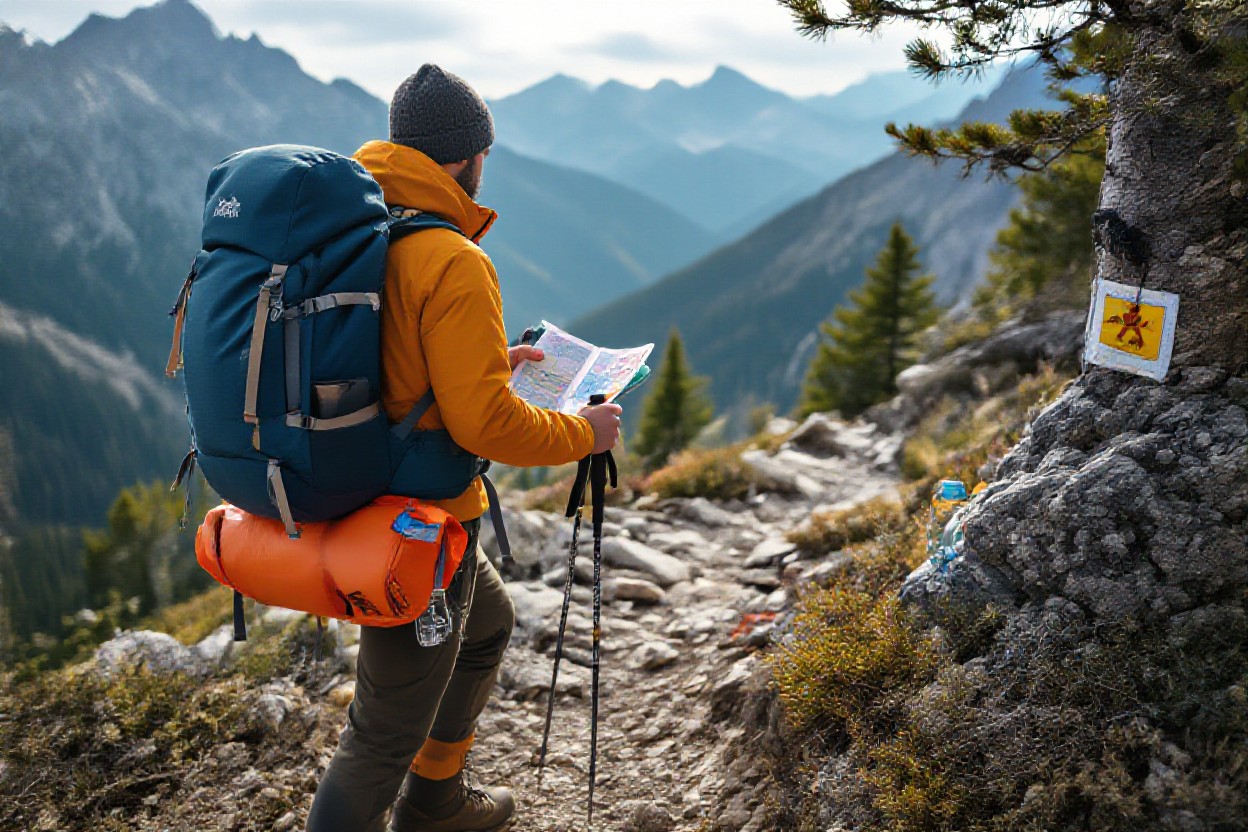
The best foundation is to carry a topographic map and a reliable compass and practice orienting the map, taking bearings, and using contour lines to identify your position; you should also learn triangulation, pace counting, and how to plot routes before heading out so you’re not dependent on gadgets.
GPS Technology
On-trail GPS devices and smartphone apps give precise locations and route tracking, but you should treat them as supplements: download offline maps, carry spare batteries or a power bank, enable waypoint markers, and keep screen brightness and app usage in check to conserve power.
It is important that you learn your device’s limitations – signal loss in canyons or dense canopy, datum and coordinate settings, and software quirks – so practice using track logs, exporting waypoints, updating maps and firmware, and always verify GPS data against your map and compass to avoid navigation errors.
Wildlife Awareness
Many trails pass through animal habitat, so you must stay alert, keep noise moderate to avoid startling animals, secure food in bear-resistant containers or hung properly, and give all wildlife plenty of space; observing from a distance protects you and the animal and reduces aggressive or defensive behavior.
Encounters with Animals
Wildlife encounters can be tense, so you should stay calm, avoid sudden movements, speak in a steady tone, back away slowly while facing the animal, and never run; if a predator behaves aggressively, make yourself appear larger, use deterrents like bear spray if trained, and retreat to safety when you can.
Minimizing Risks
Beside keeping a safe distance, you should travel in groups when possible, store food and scented items properly, follow posted area guidelines, and learn signs of local species so you can anticipate activity patterns and avoid high-risk times like dusk and dawn.
Plus you should carry and know how to use deterrents (bear spray, air horns), check recent wildlife advisories before heading out, secure pets on trails, avoid strong fragrances, and report aggressive or habituated animals to park authorities to help protect others.
First Aid Preparedness

Unlike assuming injuries will be minor, you should prepare so you can respond quickly; equip yourself with basic skills and supplies to stabilize wounds, control bleeding, manage shock, and coordinate evacuation when needed to prevent complications on the trail.
Basic First Aid Kit
After you pack food and water, include a compact kit with adhesive bandages, sterile gauze, antiseptic wipes, tape, tweezers, blister treatment, a triangular bandage, safety pins, pain relievers, antihistamine, and any personal medications, scaled to group size and trip length.
Common Injuries and Treatments
Preparedness for blisters, cuts, sprains, insect stings, heat illness, hypothermia, and altitude effects means you should know to clean and dress wounds, stabilize sprains, cool or warm appropriately, and treat allergic reactions promptly while monitoring for deterioration.
First assess safety and the injured person, check airway, breathing and circulation, stop bleeding with direct pressure, clean and dress wounds, splint suspected fractures, elevate sprains, apply cold to reduce swelling, hydrate for heat issues, administer epinephrine for severe anaphylaxis if trained, and arrange evacuation when the condition is unstable.
Group Hiking Etiquette
Despite differing skill levels, you must share responsibilities: set a comfortable pace, keep noise low, yield when necessary, and practice leave-no-trace so the trail stays safe and accessible for everyone.
Communication and Coordination
With clear roles and brief check-ins, you prevent confusion: announce hazards, agree on turnaround times and meeting points, and use simple signals for stops or emergencies so everyone stays aligned.
Safety in Numbers
Etiquette in group hiking means staying visible to one another, pairing less experienced hikers with stronger partners, and avoiding leaving stragglers so you reduce exposure to risk and improve response time.
The advantage of hiking together is faster aid and shared navigation; you should assign a leader and a sweep, distribute extra gear across the group, and run quick buddy checks often to keep everyone safe.
Final Words
With this in mind, you should plan routes, check weather, carry navigation and emergency supplies, pack extra layers, sufficient water and a first-aid kit, tell someone your itinerary, practice navigation and basic wilderness skills, pace yourself, and be prepared to turn back when conditions change to keep you and your group safe.