How Freshwater Fishing Works for Beginners?
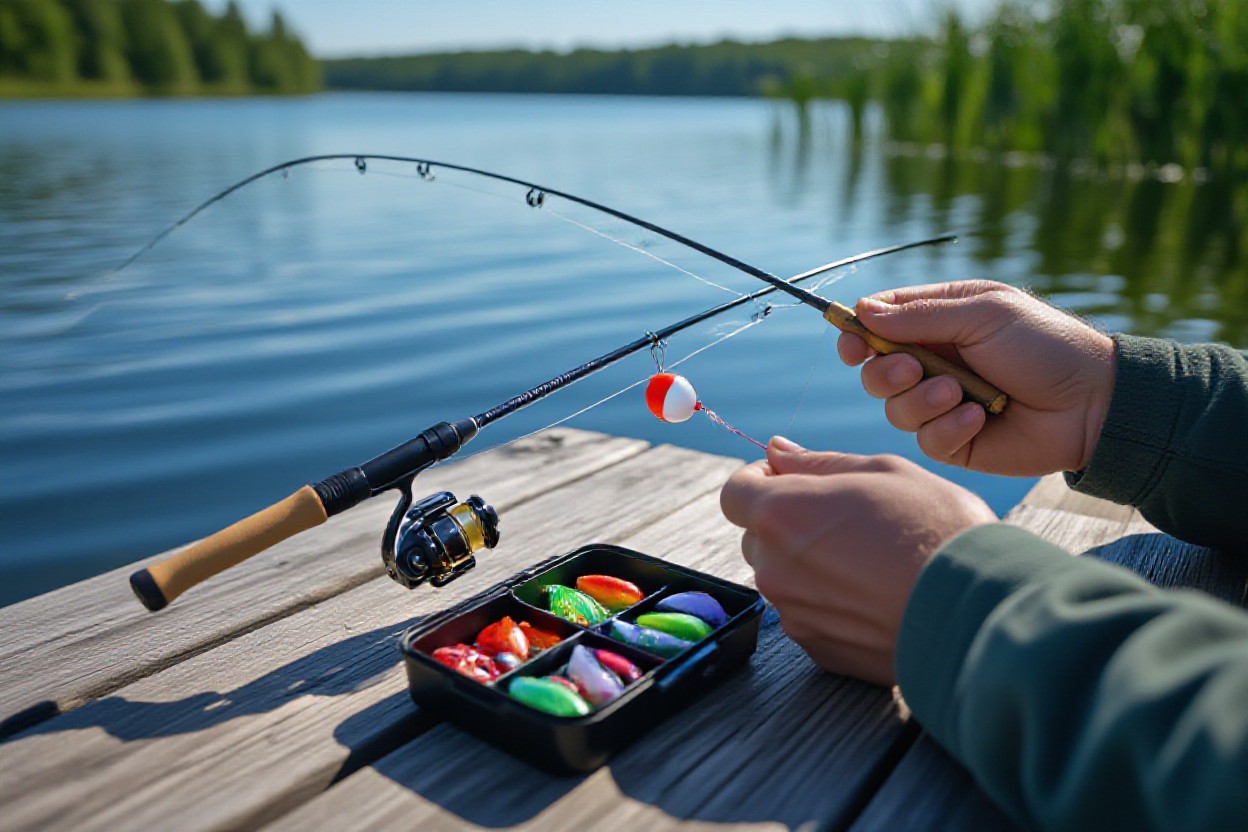
Many beginners find freshwater fishing approachable when you learn core skills: choosing the right rod, reel, line and bait; reading water and habitat; and practicing basic casts and knot-tying. You also need to follow local regulations, prioritize safety, and observe fish behavior to improve catches.
With patience, consistent practice, and attention to seasonal patterns, you can develop your confidence and techniques and enjoy productive, sustainable outings on lakes, rivers, and ponds.
Understanding Freshwater Ecosystems
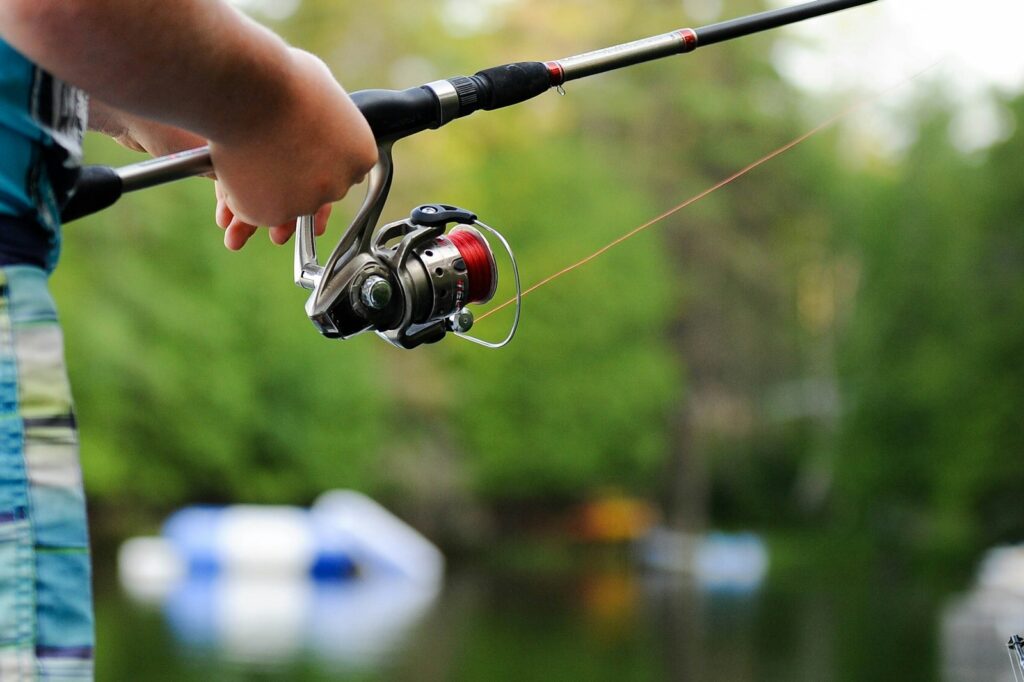
While you learn fishing, you assess how water flow, temperature, vegetation, and food webs shape where fish feed and rest so you can choose spots, times, and gear that increase your chances.
Types of Freshwater Bodies
Ecosystems present varied water bodies where you fish:
- Lakes – deep, still water
- Rivers – flowing channels
- Ponds – small, sheltered
- Streams – narrow, swift
| Lake | Still, deep |
| River | Flowing, wide |
| Pond | Shallow, calm |
| Stream | Narrow, fast |
| Wetland | Vegetated, shallow |
Assume that you adjust bait and techniques to each type.
Key Species of Fish
To target common freshwater species you focus on bass, trout, panfish, catfish, and pike, learning their preferred cover, depth, and feeding times so your presentation and timing match their behavior.
Freshwater species vary by region and season, so you study local forage, water temperature, and structure to predict holding spots, select lures, and practice proper handling to protect populations and improve your success.
Essential Fishing Gear and Equipment
Any beginner should assemble a basic kit that you can rely on: a medium-action rod, a dependable reel, appropriate line, a small tackle box with hooks, sinkers and swivels, pliers, a landing net and polarized sunglasses. You should choose gear matched to local species and water types, wear weather-appropriate clothing, and learn simple maintenance to keep your equipment performing well.
Rods and Reels
The rod and reel you select determine casting range, sensitivity and control; you should choose rod length and action based on the fish you target, pair spinning reels with light lines for finesse presentations and baitcasting reels for heavier lures, and practice smooth casts while learning to set drag properly to avoid lost fish.
Baits and Lures
By selecting the right bait or lure you control attraction and presentation: live bait often appeals to picky species while artificial lures let you vary action, color and retrieval speed; you should match size and type to local forage, adjust retrieval style for depth and structure, and carry a small variety to adapt as conditions change.
Rods can change how a lure behaves, so you should match rod action to lure type-softer tips give natural movement for soft plastics and live baits, stiffer rods drive larger lures and set hooks more effectively-and adjust rod length and retrieve cadence to present lures where fish are holding.
Fishing Techniques for Beginners
Even as a novice, you can master a few core freshwater techniques that deliver consistent results; focus on simple rigs, steady presentations, and learning fish behavior so you adapt your approach quickly.
Casting
On most small lakes and rivers, you should practice smooth, controlled casts to place your bait near structure; adjust your angle, rod motion, and retrieve speed, feel the rod tip, and swap lures until you trigger a strike.
Trolling
Along open water and channels, you can troll deep-diving crankbaits, spoons, or spinners behind a slow-moving boat to cover ground; watch your line angle and speed so lures run at the target depth where fish are holding.
Indeed, when you troll, vary speed and depth, stagger lure lengths or use downriggers to present multiple baits; mark productive depths with your fishfinder, keep safe spacing between lines, and note what worked so you can repeat successful patterns.
Regulations and Licenses
Not having the proper license or ignoring size and bag limits can lead to fines and revoked privileges; you should purchase the correct freshwater license, keep it on you, and check local regulations before each trip.
Understanding Local Laws
An overview: you must learn state and municipal rules, special regulations for species or waters, permit fees, and any private-water restrictions; consult fish and wildlife agencies or local tackle shops for updates.
Importance of Conservation
Between seasons and protected zones, you play a role in sustaining fish populations; you should practice selective harvesting, use legal gear, and follow catch-and-release guidelines to protect habitats.
Considering habitat degradation and invasive species, you can help by reporting illegal activities, participating in local cleanups, using barbless hooks for safer releases, and following bait restrictions to avoid spreading nonnative organisms.
Safety and Environmental Considerations
To stay safe and protect habitats, you should wear a life jacket on open water, check weather and local advisories, handle hooks and fish carefully, learn basic first aid, and follow fishing regulations to sustain fish populations and water quality.
Safety Tips for Fishermen
After you prepare gear and check conditions, prioritize personal safety and basic first‑aid knowledge. This helps you respond to accidents quickly and keeps your outings enjoyable.
- Wear a properly fitted life jacket and appropriate footwear.
- Bring sun protection, drinking water, and a first‑aid kit.
- Keep hooks and sharp tools sheathed and handle fish gently.
- Avoid alcohol while boating and fish with a partner when possible.
- Know local rules, emergency contacts, and your limits.
Protecting Waterways
Protecting waterways starts with leaving no trace: pack out all trash, avoid shoreline erosion by using established paths, and do not release nonnative species or unused bait into the water.
In fact, when you practice proper catch‑and‑release – wet your hands, use barbless hooks, minimize air exposure, and follow size and bag limits – and report invasive species or pollution, you actively preserve the health and resilience of your fishing spots.
Tips for a Successful Fishing Experience
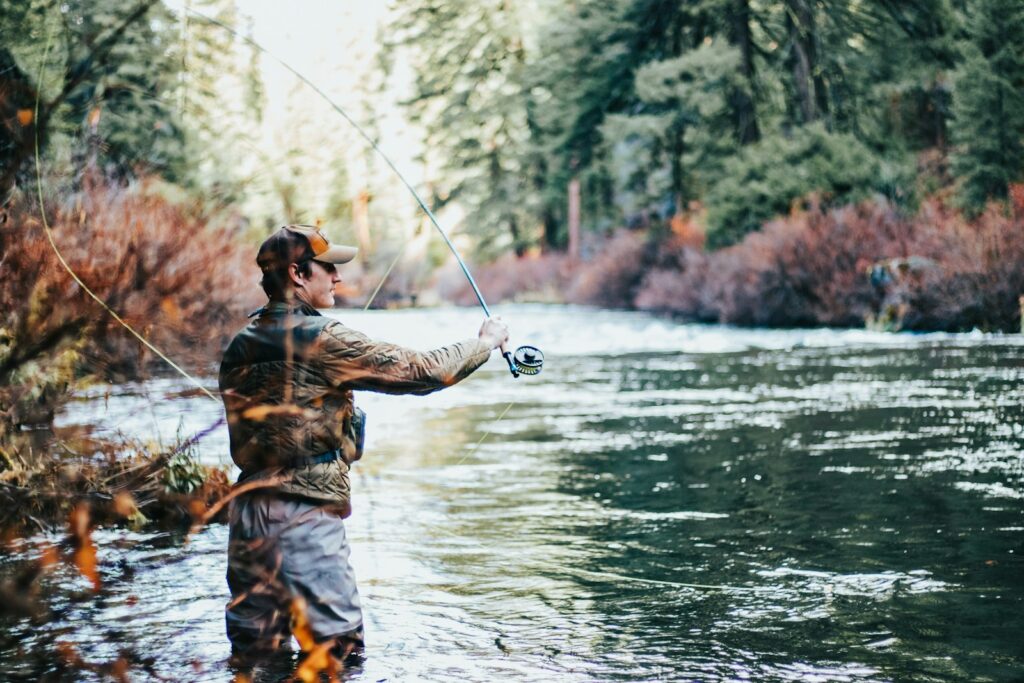
Unlike guessing, successful fishing relies on preparation, observation, and technique; you should use proper tackle, match bait to species, and respect water conditions.
- Check your line and knots
- Match lure size and color
- Stay patient and keep noise low
Perceiving subtle bites and varying depth quickly helps you convert more strikes into landed fish.
Choosing the Right Location
The best spots form where structure, current, and cover intersect; you should target weed edges, drop-offs, and submerged logs where fish seek food and shelter. Observe shoreline access, water clarity, and speak with local anglers or check maps to locate likely holds.
Best Times to Fish
Any angler benefits from fishing at low light-dawn and dusk-plus overcast days and stable temperatures; you should also watch seasonal feeding patterns.
To increase your catch rate, plan around seasonal habits-spawn in spring, deeper summer holding, and fall feed-ups-and use weather and barometric changes to predict movement, adjusting your depth and bait accordingly.
Final Words
On the whole, freshwater fishing is accessible: pick basic gear, learn local regulations and water conditions, practice casting and knot-tying, and observe fish behavior to choose bait and timing; with patience you’ll improve your technique, safety, and conservation habits while gaining confidence to explore new spots and species.