How Hiking Trails Are Classified and Rated?
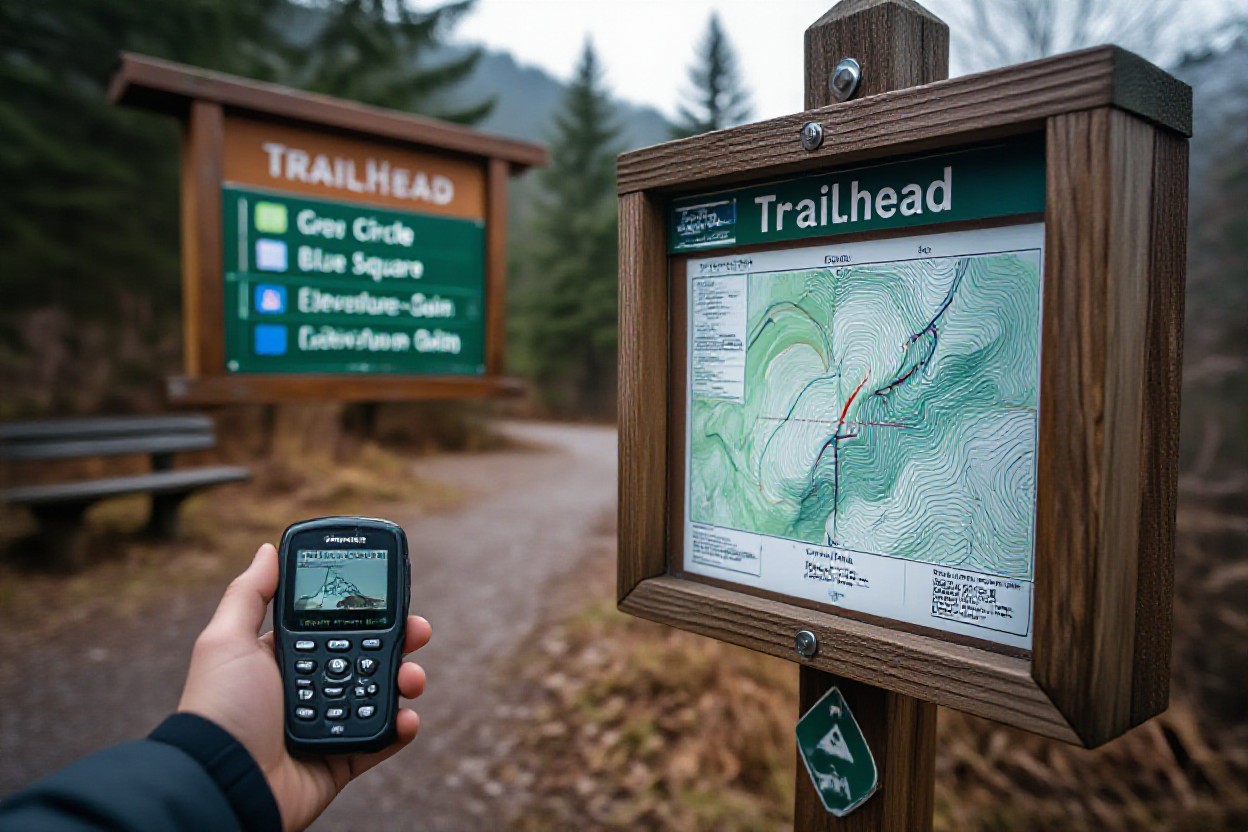
Over time trail managers and guidebooks use consistent factors-distance, elevation gain, technical difficulty, trail surface, signage, and accessibility-to classify and rate routes so you can choose hikes aligned with your skills and goals.
Ratings combine objective measures and local judgment, while symbols or adjectives (easy, moderate, difficult) and numeric scales help you compare options; check maps, recent trip reports, and weather advisories to verify a trail’s current condition before you go.
Overview of Hiking Trail Classification

A well-defined trail classification helps you assess difficulty, terrain, and required gear before you go, enabling safer planning, smarter pacing, and better trip choices so your expectations align with real conditions.
Types of Trail Classifications
Any system groups trails by factors like difficulty, surface, and use so you can pick routes that match your fitness and experience. Assume that you match trail types to your goals and skills.
- Difficulty ratings – help you judge fitness and technical needs.
- Surface/terrain categories – tell you what footing and gear to expect.
- Intended use (hiking, biking, equestrian) – shows permitted activities for your outing.
- Distance/elevation brackets – help plan time and hydration for your trip.
| Difficulty | How challenging it will be for you physically and technically |
| Terrain | What surfaces and obstacles you should prepare for |
| Distance / Elevation | How much time, food, and stamina you must allocate |
| Technical Features | Whether you need special gear or skills (exposed sections, scrambling) |
| Access / Marking | How easy it is for you to navigate and reach trailheads |
Importance of Trail Classification
Behind every useful rating is your safety and enjoyment: classifications let you set realistic expectations for time, companions, and equipment so you reduce risk and improve outcomes on each outing.
Trail classifications also guide how you minimize impact and comply with regulations, helping you choose routes that preserve conditions, respect closures, and keep your experiences positive.
Rating Systems for Hiking Trails
The systems used to rate hiking trails give you a quick sense of difficulty, distance and terrain, combining factors like elevation gain, technical challenge, and trail condition to help you choose routes that match your fitness and skills.
Common Rating Criteria
By evaluating distance, elevation gain, trail surface, navigation complexity and required technical skills, rating systems let you compare hikes and plan your equipment, pace, and time expectations accordingly.
Variations in Rating Systems by Region
Beside national scales, many regions adapt ratings to local factors-altitude effects, seasonal hazards, or cultural trail use-so you should check local guides and signage for context rather than relying solely on generic ratings.
Rating labels can vary widely: what is labeled “moderate” in one country may be “hard” in another due to remoteness, altitude, or expected self-sufficiency, so you need to read local descriptions, maps, and recent trip reports to interpret ratings accurately.
Factors Affecting Trail Difficulty Ratings
Now you consider multiple elements when assessing trail difficulty, often summarized in
- terrain and elevation
- distance and duration
- technical obstacles and navigation
which shape official ratings and your prep. Perceiving how these factors interact helps you select routes that align with your fitness, experience, and available gear.
Terrain and Elevation Changes
Terrain and elevation changes directly affect exertion and risk: steep climbs, loose rock, scree, or sustained uphill sections increase effort and may demand better balance, footwear, and pacing, so you should factor gradient, trail surface, and cumulative gain into your hike planning.
Weather and Seasonal Considerations
Changes in weather and season can transform an easy path into a demanding route-rain, ice, high winds, or heat affect footing, visibility, and exposure, so you must check forecasts, pack appropriate layers, and adjust timing or route choices.
Indeed, seasonal elements like snowpack, spring runoff, leaf cover, or storm frequency alter trail conditions over time; you benefit from recent trip reports, local advisories, and carrying contingency gear to manage variable conditions safely.
The Role of Trail Guides and Resources
Your ability to interpret trail classifications improves when you use guidebooks, park brochures, and ranger advice that explain local grading, seasonal hazards, and route variations; these resources help you match trails to your fitness and skills, plan logistics like permits and water sources, and make informed judgments when official ratings feel ambiguous.
Utilizing Trail Guides
Across printed guidebooks and ranger-led briefings, you gain curated route descriptions, elevation profiles, and historical context that let you assess difficulty beyond raw numbers; you can use these to choose appropriate gear, identify technical sections, and adopt pacing strategies tailored to your experience and objectives.
Online Resources and Apps
By using apps and websites, you tap crowd-sourced trail conditions, GPS tracks, recent trip reports, and filterable difficulty ratings so you can preview terrain, estimate time, and download offline maps; these tools let you adapt plans based on real-time information from other hikers and official updates.
At the same time, you should cross-check multiple online sources and official park pages, verify update timestamps, and compare photos and elevation data so you avoid outdated or anomalous reports; combining apps with local ranger input gives you a more reliable, nuanced view of a trail’s true challenge.
Safety Considerations on Hiking Trails
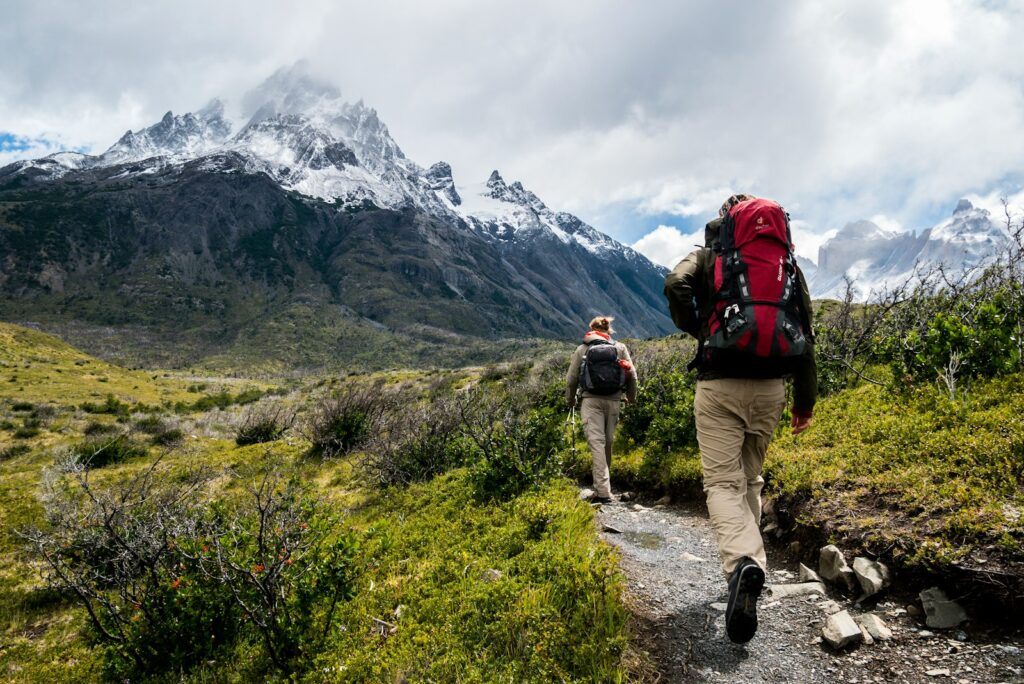
Keep your planning, skills, and gear aligned with the route and conditions: check forecasts, tell someone your itinerary, pack navigation and first-aid, carry adequate water, food, and layers, and be prepared to turn back if hazards or fatigue threaten your safety.
Understanding Trail Ratings for Safety
Among the rating elements-distance, elevation, terrain, and exposure-you should match ratings to your fitness and experience, factor in seasonal shifts, and use ratings as a baseline to select appropriate gear and time buffers for a safer outing.
Preparing for Different Trail Conditions
Between types of terrain and rapidly changing weather, you must choose proper footwear, layered clothing, sun and rain protection, navigation aids, and traction devices; plan for slower progress, extra water, and daylight margins so your choices reduce risk.
Further, carry condition-specific gear-microspikes or snowshoes for ice and snow, gaiters for mud, poles for steep or loose sections, a headlamp for low light, and an emergency shelter; check recent trail reports and adjust group size and pacing to manage hazards effectively.
Final Words
Ultimately you should use trail classifications and ratings to match your skills and goals: difficulty, distance, elevation gain, technical sections, required gear, and signage are commonly assessed, while guide-grade systems and user reviews help you judge suitability; check recent conditions and maps so you can plan safely and confidently.