How to Maintain an RV While Traveling?
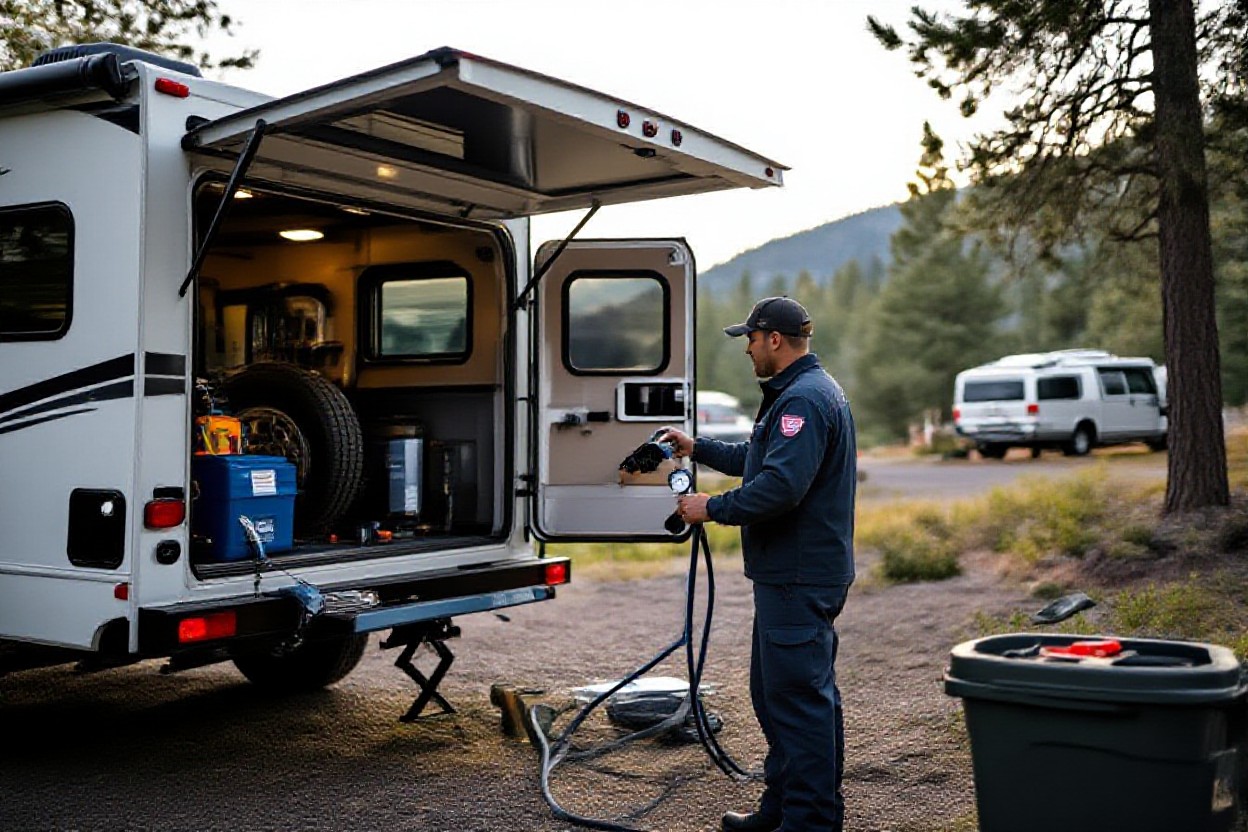
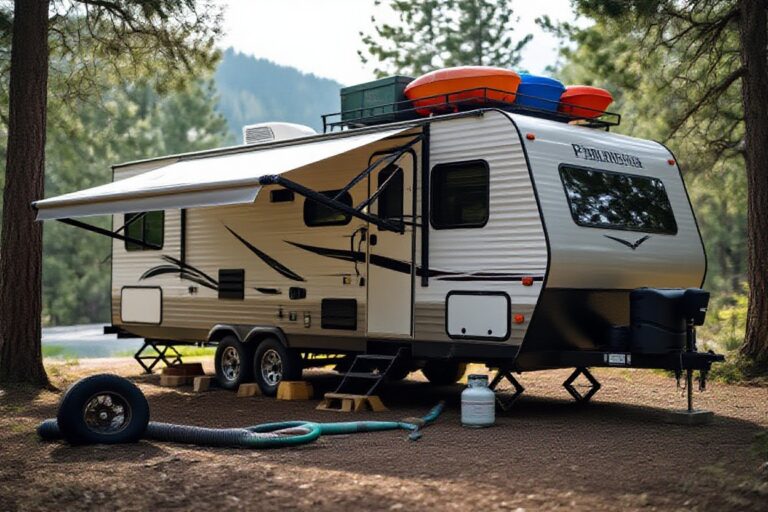
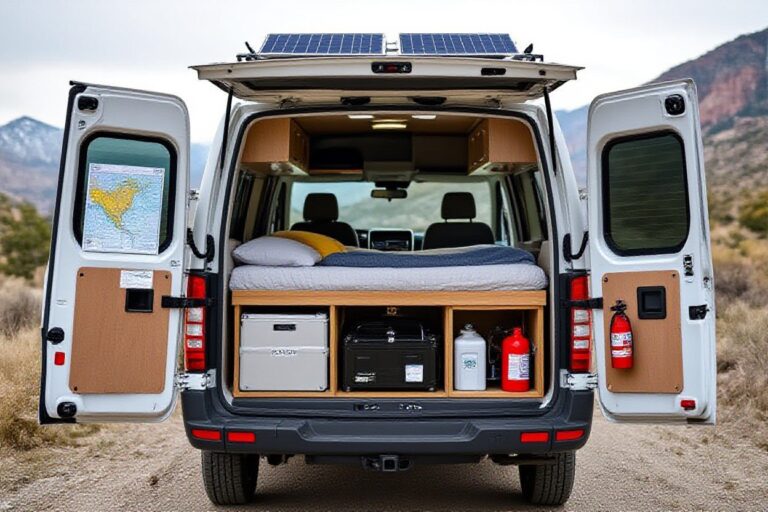
There’s a straightforward routine you can follow to keep your RV safe and reliable while on the road: perform daily walkarounds to check tires, lights and fluid levels; inspect seals and roof for leaks; monitor battery and propane systems; empty and sanitize tanks regularly; carry basic tools and spare parts; and log maintenance tasks and mileage to spot trends and schedule service before issues worsen. You maintain mobility and reduce costly repairs by staying proactive.
Pre-Trip Maintenance

A thorough pre-trip inspection helps you avoid breakdowns by walking the exterior, testing lights, checking seals and slide mechanisms, verifying battery condition, securing loose items, and confirming safety equipment and documentation are on board.
Checking Tires
One of your first steps is to inspect tire pressure and tread depth; use a reliable gauge, set pressure to manufacturer specs, look for cuts or bulges, check valve stems, and ensure the spare is inflated and accessible.
Fluid Levels
After warming the engine briefly, you should check engine oil, coolant, transmission, brake, and power steering fluids, top off with manufacturer-approved types, and note any leaks or unusual color or odor.
In fact, you should keep a written log of fluid checks, carry small quantities of the correct fluids and funnels, know reservoir capacities and intervals, and address low or contaminated fluids promptly to prevent damage while traveling.
Interior Maintenance
Now you should perform regular inspections of seals, vents, upholstery, flooring and windows, test detectors, check for leaks and mold, lubricate slides and hinges, change HVAC filters, secure loose trim and items, and log minor repairs so issues don’t escalate while you’re traveling.
Appliance Functionality
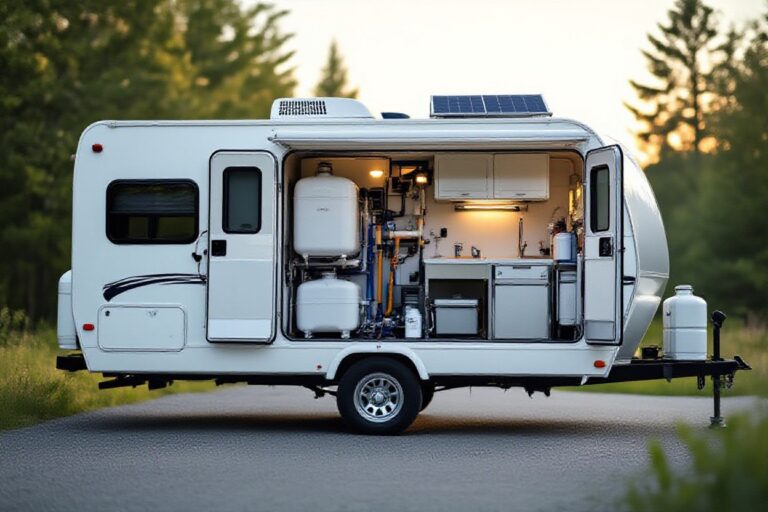
Before departing, verify your fridge, stove, furnace and water heater operate on both shore and onboard power, inspect propane lines and electrical connections, clean burners and coils, check venting and seals, test battery backup and detectors, and follow manufacturers’ service intervals to avoid failures on the road.
Cleanliness and Organization
About daily upkeep, you should wipe surfaces, clean spills immediately, vacuum or sweep floors, empty trash each night, store perishables securely, and use labeled bins and straps to keep fragile items from shifting during travel.
Considering supplies and routines, keep microfiber cloths, a small vacuum, enzyme cleaner for fabrics, sealed containers for food, and adhesive hooks or bungee cords; schedule a weekly deep clean and a simple checklist to maintain hygiene, prevent pests, and preserve interior materials while you’re away from home.
Exterior Care
While traveling, you should routinely wash and inspect your RV’s exterior to prevent corrosion and damage; check paint, decals, trim, lights, windows, tires, wheel wells, and undercarriage, remove road grime and bug residue, trim overhanging branches before parking, secure antennas and awnings, lubricate hinges and locks, and promptly address chips or dents to keep your RV weather-ready and your resale value protected.
Roof Inspection
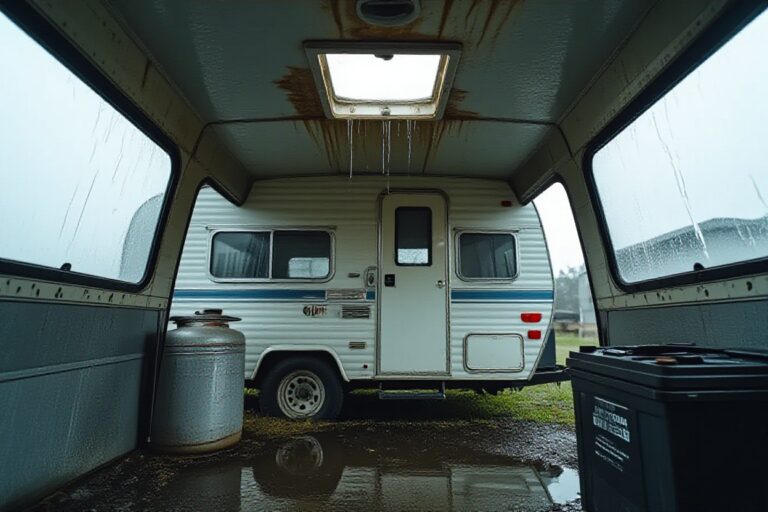
Any time you stop for long periods or after severe weather you should climb (or use binoculars) to inspect the roof for cracks, blisters, loose seams, punctures, clogged drains, and damaged seals around vents and skylights; clear debris, check the condition of roof material, and log issues so you can repair leaks before interior damage occurs.
Sealing and Protection
The sealant system on your RV-around roof seams, windows, slideouts and cargo openings-requires regular inspection and upkeep; use RV-rated sealants, replace hardened or shrinking beads, apply UV-protective coatings where recommended, and schedule resealing at least annually or after significant repairs to keep water out and maintain structural integrity.
A proper reseal begins with cleaning and drying the area, removing old sealant, and using a primer if the manufacturer advises; apply a smooth, continuous bead of RV-approved sealant, tool it for adhesion, use backer rod for wide gaps, cure per product instructions, and avoid sealing in extreme heat or cold so the bond lasts and you prevent future leaks.
Routine Checks
Keep a simple pre-trip and daily checklist you follow each time: check tire pressure and tread, fluid levels and leaks, battery charge, exterior lights, brakes, and secure hatches and awnings; test appliances and monitor gauges so you catch wear early and avoid roadside surprises.
Weekly Inspections
The weekly inspection should be more thorough: inspect tire sidewalls and lug nuts, clean and tighten battery terminals, test brakes and suspension, check water and waste tanks for leaks, verify roof and window seals, and log any issues so you can schedule repairs before they worsen.
Seasonal Maintenance
One seasonal focus is preparing systems for temperature changes: you should winterize water lines and tanks, protect batteries and plumbing, service HVAC and heating, inspect roof seals and recoat if needed, and perform a deep chassis and generator check before heavy use.
It also helps you to schedule professional inspections at season changes for the engine, brakes, propane system, and generator; check and treat tires for age and UV damage, sanitize the freshwater system in spring, and keep a written maintenance calendar so your RV stays reliable year-round.
Handling Emergencies
Your emergency plan should prioritize safety, shut off utilities, and list contacts for towing, campground managers, and insurers; keep copies of registration and insurance accessible. You should know how to isolate propane and water, operate fire extinguishers, and use your emergency kit. Practice evacuation routes at stops, keep phone chargers and portable power, and document damage with photos to speed claims and repairs.
Common Issues
By preparing for common failures-flat tires, dead house batteries, generator faults, plumbing leaks, and electrical shorts-you reduce downtime and avoid hazardous situations. You should carry spares for tires, fuses, and water fittings, know basic diagnostics, and have contact apps for roadside assistance and RV mechanics. Fast response to small problems prevents escalation and keeps your trip on schedule.
Tools to Have On Hand
Along with a well-stocked first-aid kit, you should carry a tire repair kit and portable inflator, jumper cables and a battery charger, a basic mechanic’s tool set, spare fuses and bulbs, a multi-meter, tow strap, hoses and clamps, duct tape and sealants, and a reliable flashlight with extra batteries.
For instance, a tire plug kit plus a 12V compressor can get you rolling after a puncture, while spare fuses, a multimeter, and a handful of hose clamps let you isolate and fix electrical or plumbing faults. Carry a small propane leak detector, basic sealants, and extra BP/serpentine belts if your engine model is known for wear. Practice using tools before you travel.
Resources for RV Owners

Unlike relying only on printed manuals, you should tap into a variety of resources-digital guides, community knowledge, dealer service centers, and apps-to manage repairs, warranties, and seasonal checks while traveling so your RV stays reliable and ready for every route.
Online Forums and Communities
Around active forums and social groups you’ll find owners sharing hands-on fixes, era- and model-specific tips, campground service recommendations, and recall alerts, and by participating you can ask questions, validate advice, and quickly locate trusted technicians on the road.
Maintenance Apps
Among maintenance apps you can track service schedules, log repairs with photos, monitor fluid and tire checks, and set reminders that sync across devices so you manage preventive work and parts inventory without losing records while traveling.
The best apps provide checklists, parts lists, mileage-based alerts, and exportable service histories so you can document work for warranties, streamline diagnostics with techs, and maintain consistent upkeep that preserves value and reliability during long trips.
Summing up
On the whole, you should perform regular checks of fluids, tire pressure, battery, seals and roof, keep systems clean and lubricated, monitor propane and water levels, schedule timely service, secure loose items before travel, and maintain a simple toolkit and spare parts. Consistent, proactive maintenance helps prevent breakdowns and preserves safety, comfort and resale value on the road.