How to Prepare for a Day Hike?
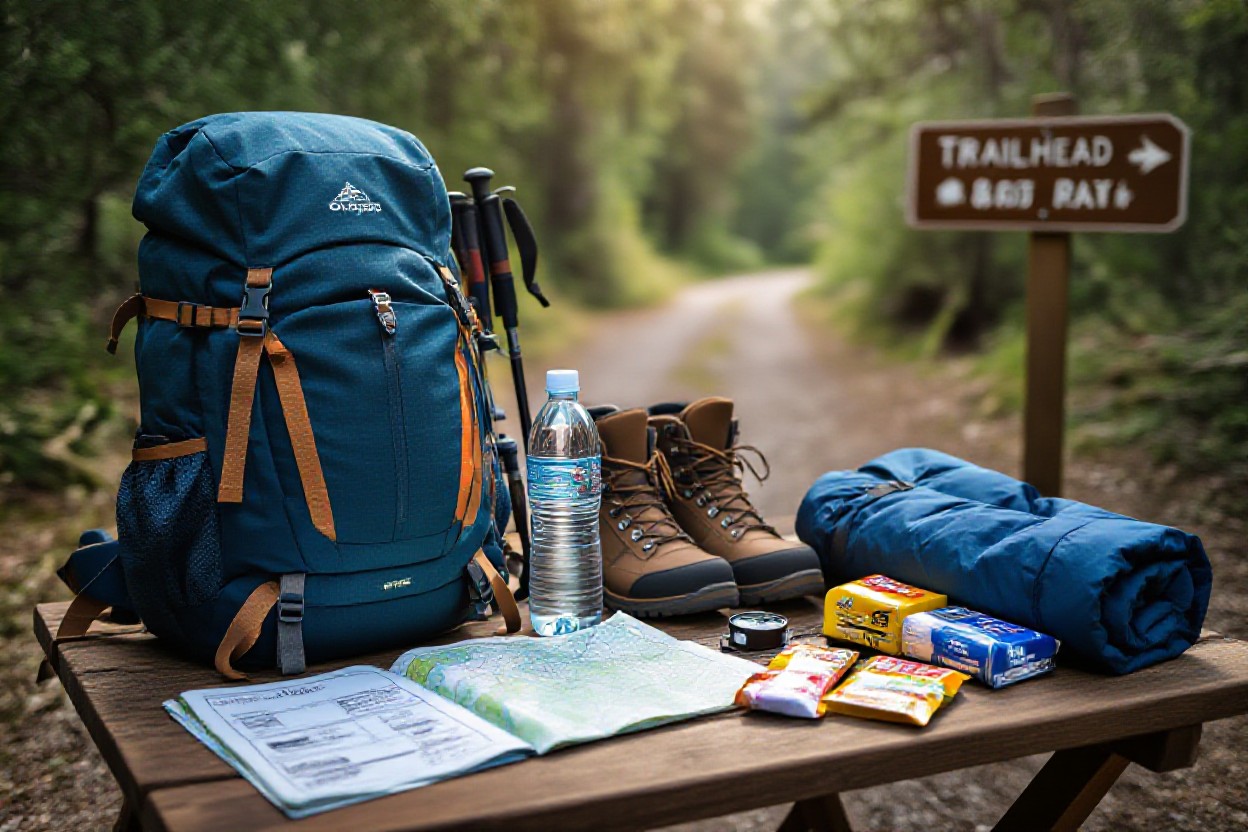
Many day hikes are rewarding but require preparation; before you head out you should plan your route, check the weather, and match distance to your fitness. Pack water, layered clothing, navigation, snacks, a basic first-aid kit, and sun protection. Wear supportive footwear and test your gear on a short walk. Tell someone your plan, estimate return time, and practice Leave No Trace to keep trails safe for everyone.
Planning Your Hike
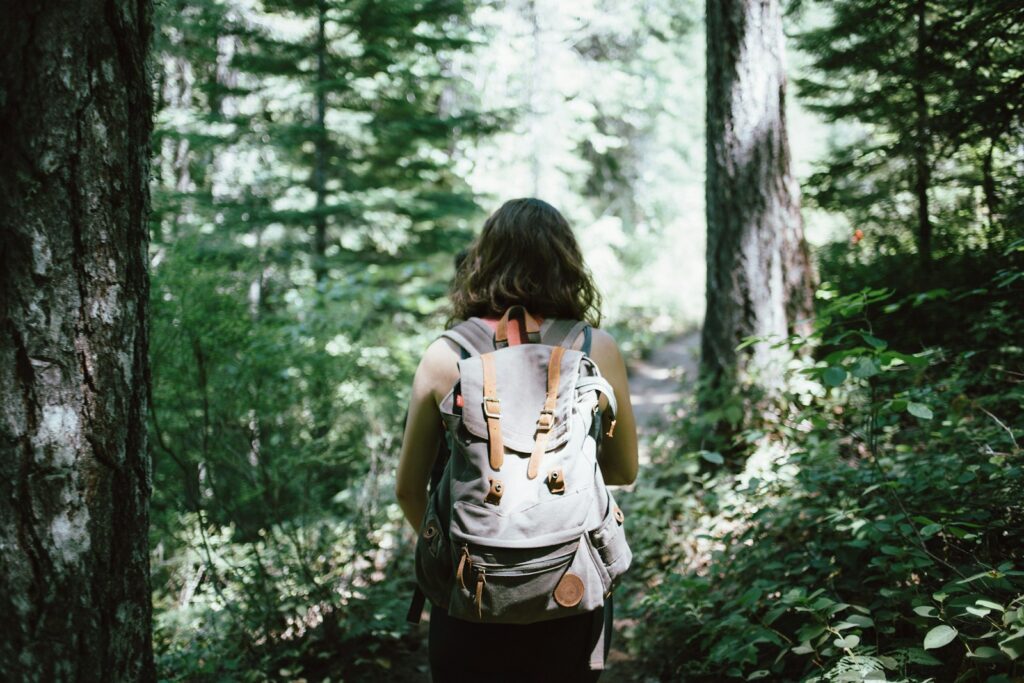
Before you head out, map your route, calculate distance and elevation gain, check weather and trail reports, secure permits if required, set a turnaround time, inform someone of your plan, and pack layers, water, food, navigation, and a basic first-aid kit to match conditions and duration.
Choosing the Right Trail
Trail selection should match your fitness, experience, and objectives: pick distance and elevation you can handle, consider terrain and footing, check water sources and cell coverage, read recent trip reports and maps, and choose a route that fits your available time and fitness level.
Understanding the Difficulty Level
Below the difficulty rating, you should assess distance, cumulative elevation gain, technical sections, exposure, trail condition, and navigation challenges to judge whether the route matches your skills and pacing expectations.
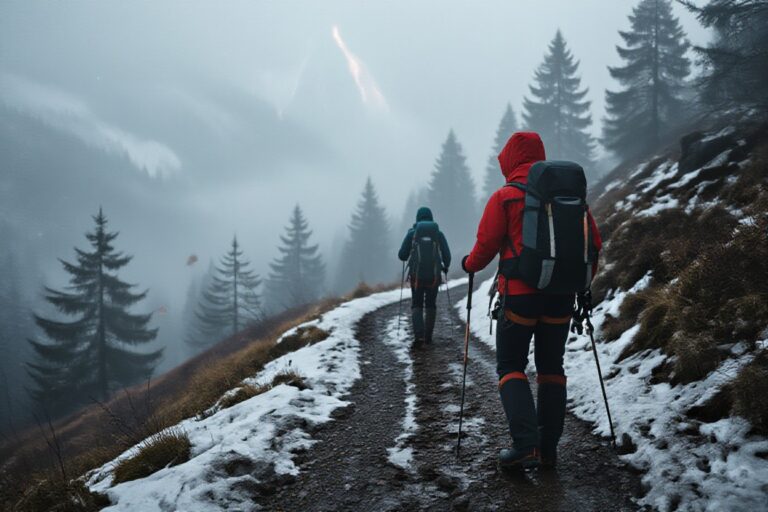
Even small differences in elevation gain per mile, high altitude, or loose technical terrain can slow you significantly; factor in pack weight, planned breaks, daylight hours, and an emergency buffer so you can adjust pace or turn back safely if conditions exceed your limits.
Essential Gear
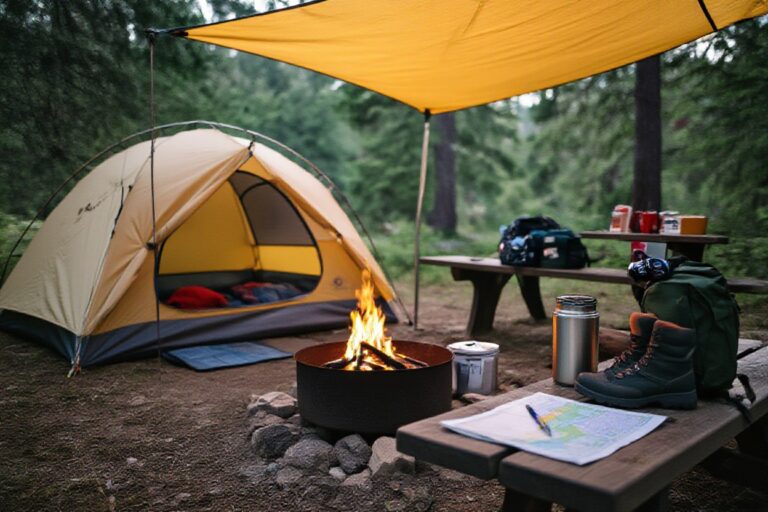
Now assemble a compact kit so your day hike goes smoothly: you should bring sturdy footwear, layered clothing, enough water and snacks, navigation (map, compass, or GPS), a basic first-aid kit, sun protection, a headlamp, a multitool, and a lightweight emergency shelter or bivy.
Footwear and Clothing
Across your hike, choose well-fitting trail shoes or boots with moisture-wicking socks, breathable base layers, an insulating midlayer, and a waterproof breathable shell; you should break in footwear ahead of time and adjust layers to manage sweat and temperature.
Backpack and Supplies
Along with imperatives, carry a 15-30L daypack holding water or a filter, calorie-dense food, navigation tools, compact first-aid, a headlamp, a small repair kit, and extra layers; keep frequently used items in accessible pockets and balance weight evenly.
In addition pack heavy items close to your spine and centered, use dry bags for electronics and clothing, include spare socks and a firestarter, test your loaded pack on a short walk, and keep a concise checklist so you don’t omit key items.
Food and Hydration
There’s no substitute for planning your food and fluids: pack balanced meals, high-energy snacks, and enough water for the day plus an extra liter for hot weather or delays. Use lightweight containers, portion meals to your pace, avoid perishable items on short hikes, and plan a simple warming option if you prefer hot food. Monitor your intake so you stay fueled and hydrated throughout the hike.
Water Requirements
At a minimum, carry about 0.5 to 1 liter of water per hour depending on temperature and effort; hotter conditions or harder exertion raise your needs. Use a hydration bladder or bottles, identify reliable refill points on your route, and bring a filter or purification tablets if natural sources are likely to be your only option.
Snack Options
Food should be calorie-dense, easy to eat, and compact: trail mix, energy bars, jerky, nut butter packets, and dried fruit provide quick, portable fuel. Pack a balance of carbohydrates and protein to avoid energy dips, pre-portion snacks for steady grazing, and use resealable bags to keep everything fresh and accessible on the trail.
With snacks, prioritize portability and sustained energy: combine quick sugars for immediate boosts with protein and fats for longer output, vary flavors to maintain appetite, and carry a small trash bag for wrappers. Check allergy-safe options for group hikes and trial new items on shorter walks so your stomach tolerates them on the day.
Safety Precautions
Keep to marked trails, set a realistic pace, and check weather forecasts before you go. Tell someone your route and expected return time, carry navigation and signaling devices, and adjust plans for daylight and terrain. You must monitor your energy, hydration, and conditions to avoid hazards and to stay safe.
First Aid Essentials
An adequately stocked first aid kit should include adhesive bandages, sterile gauze, antiseptic wipes, blister treatment, tweezers, pain relievers, and any personal medications with dosages. Know how to use each item, practice basic wound care and splinting, and replace used or expired supplies before every hike.
Emergency Contacts
An emergency contact list should be accessible and include local search-and-rescue numbers, park rangers, and a trusted person who knows your itinerary and medical information. Store contacts offline, program numbers into your phone, and share your location or GPS coordinates when possible to speed assistance.
Essentials include labeling your phone contacts with ICE (In Case of Emergency), carrying written medication details and allergies, and leaving a physical copy of your route with someone. You should set regular check-in times, enable location sharing, and carry a charged phone or satellite messenger so responders can find you quickly if plans change.
Navigating the Trail

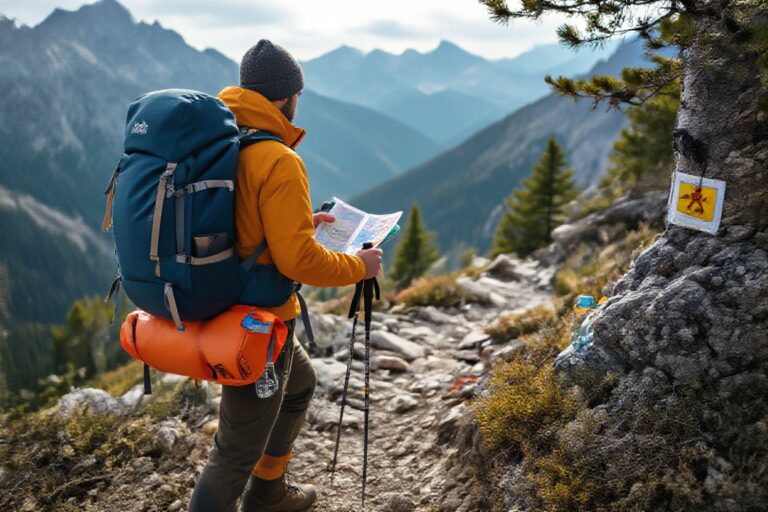
Not following the route wastes time and energy; you should study the map, note landmarks, and track elevation to avoid surprises. Check trail markers frequently, hike at a steady pace, and be prepared to turn back if conditions worsen. Practice basic navigation before you go and keep your map and compass accessible. You need to plan estimated times and communicate your route to someone off-trail.
Using Maps and GPS
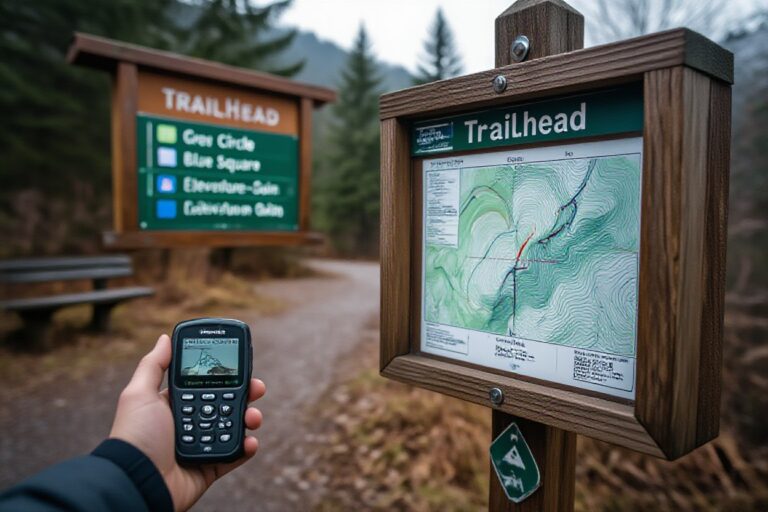
One reliable map and a spare navigation method prevent getting lost; you should carry a paper map, a compass, and a GPS or phone app with offline maps. Know how to read contour lines, set waypoints, and confirm your position regularly. Conserve battery, protect devices from moisture, and practice using them before the hike.
Trail Etiquette
Around other hikers you should yield to uphill traffic, keep noise low, and leash pets where required. Stay on the trail to protect vegetation, pack out all trash, and avoid shortcutting switchbacks. Signal before passing and give space to allow safe movement.
Hence you must be considerate with group size, timing, and camp spots; avoid blocking narrow sections, limit use of bright lights at night, and share information about hazards. If you encounter wildlife, keep distance and do not feed animals. Your actions set the standard for others and preserve trail quality.
Environmental Considerations
For day hikes, check weather and trail conditions, plan a route that matches your skill and daylight, carry adequate water and sun protection, choose layered clothing for changing temperatures, and minimize impact by staying on trails and respecting seasonal closures to protect habitats.
Leave No Trace Principles
Between your arrival and departure, practice Leave No Trace: stick to durable surfaces, dispose of waste properly, pack out all trash, avoid altering natural features, and limit group size and noise to preserve the experience for others and the ecosystem.
Wildlife Awareness
To prevent dangerous encounters and safeguard animals, observe wildlife at a distance, secure food and scented items, never feed animals, and be extra cautious during breeding or migration seasons when animals are more vulnerable.
Consequently you should learn local species’ behaviors and warning signs, carry deterrents if appropriate, make noise on dense trails to avoid surprising animals, and report aggressive or injured wildlife to authorities to protect both you and the habitat.
Conclusion
With this in mind, you should plan your route and pace, check weather and trail reports, pack importants (water, navigation, layers, first aid), wear proper footwear, leave your itinerary with someone, and pace yourself to conserve energy; preparing skills and contingency plans improves your safety and enjoyment on the hike.