How to Prepare for a Fishing Trip?
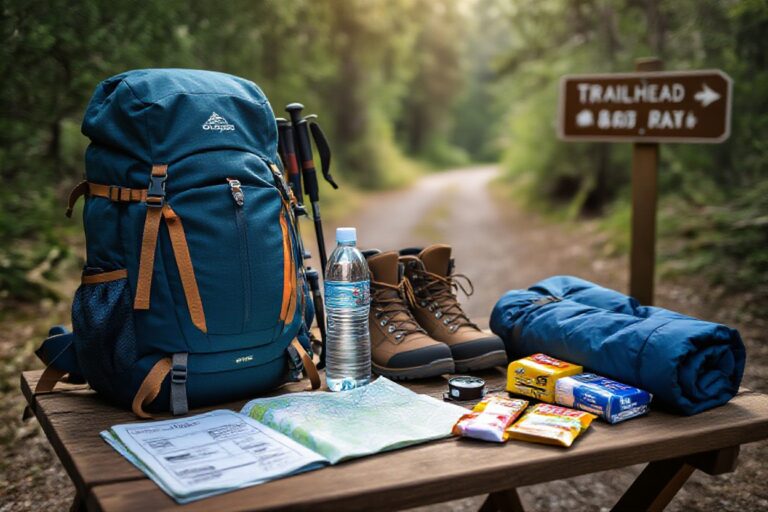
Just plan your trip methodically: check weather and local fishing regulations, scout spots or maps, choose tackle, bait and clothing for target species and conditions, pack safety gear, first aid, navigation and spare lines, secure licenses and permits, charge electronics, prepare food and water, and tell someone your itinerary so you can focus on fishing confidently and safely.
Choosing the Right Location
A suitable fishing spot sets the tone for success; you should weigh access, species presence, and regulations, and prioritize safety and convenience when selecting a location. Check maps, public access points, and nearby facilities so your trip matches your skill level and goals.
Researching Local Water Bodies
Along rivers, lakes, and coastal stretches you can identify productive areas by studying bathymetry, current patterns, and structure; consult local reports, fishing forums, and bait shops to learn where fish congregate and which baits and techniques work best for your target species.
Understanding Seasonal Patterns
Against prevailing assumptions, you should track seasonal migrations, spawn cycles, and water temperature shifts to predict feeding behavior; plan trips around peak activity windows and adapt gear and bait so you exploit seasonal opportunities rather than fighting them.
A practical way to track seasons is to log water temperatures, daylight, and recent catches; you can use apps, local reports, or a simple journal to refine timing, then adjust tackle, presentation, and location so each trip aligns with how fish behave that season.
Essential Fishing Gear
You need a compact selection of reliable gear: a suitable rod and reel, quality line, a basic tackle assortment, safety items, and weather-appropriate clothing so your kit performs reliably on the water.
Rods and Reels
Before you pick rods and reels, match rod length and action to target species and techniques, pair a smooth reel with an appropriate gear ratio, and test the balance for comfortable casting and fish fights.
Baits and Lures
Essential lures and baits should cover local species: carry soft plastics, crankbaits, spoons, topwater plugs, and a supply of live or cut bait so you can adapt to changing conditions and fish preferences.
With a variety of sizes, colors, and retrieval speeds you can mimic prey and trigger strikes; organize lures by action and depth, keep backups, and rotate offerings until you discover what provokes bites.
Tackle and Accessories
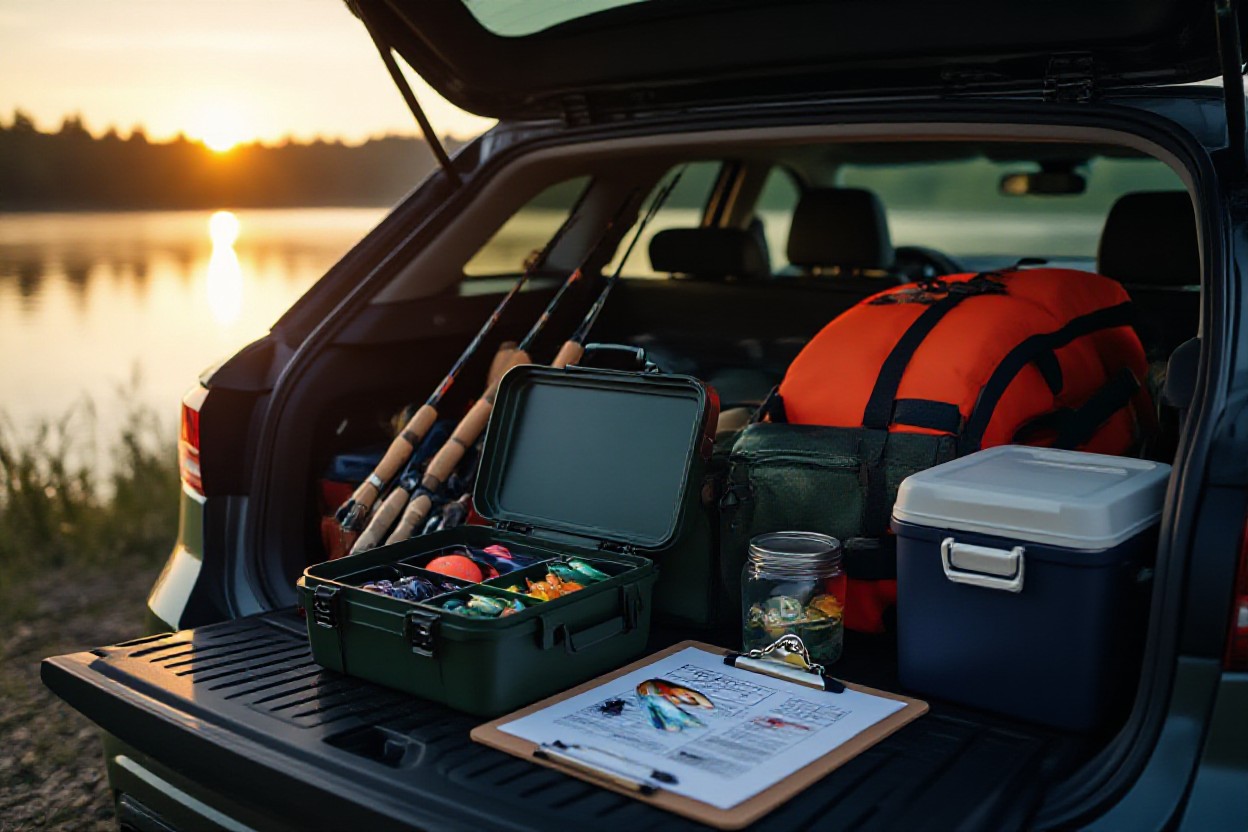
Across your tackle box, you should include hooks in multiple sizes, sinkers, swivels, leaders, spare line, pliers, a sharp knife, a landing net, and polarized sunglasses to improve visibility and handling.
At the water, organize spares, label compartments by use, carry a compact first-aid kit, a line cutter, and a waterproof bag for electronics so you can change rigs quickly and stay efficient.
Planning Your Trip
Unlike planning a casual outing, preparing for a fishing trip requires you to align location, target species, and season so your gear and expectations match conditions; scout access points, check local regulations and weather forecasts, and arrange permits or guide services to maximize productive time on the water.
Setting a Budget
By estimating costs for travel, licenses, tackle, bait, accommodations and any guide fees you set realistic limits; prioritize spending on quality safety gear and the imperatives for your target species, and allocate a small contingency for fuel, repairs, or unexpected weather-related changes.
Determining Duration and Timing
The length and timing of your trip should match the seasonal behavior of your target fish, tidal patterns, and personal stamina; plan shorter outings to scout spots and longer stays when migrations, spawning runs or optimal bite windows coincide with your schedule.
It helps to cross-reference lunar and tide charts, local fishing reports and weather models, then build an itinerary with backup days and flexible launch times so you adapt to sudden changes and maximize productive fishing windows.
Legal Considerations
Not all waters, access points, or gear are treated the same by authorities, so you must verify local statutes, protected areas, and seasonal closures before you cast off; failing to comply can cost you fines, gear confiscation, or worse, so plan your trip around the law and carry documentation proving your entitlement to fish in that location.
Fishing Licenses and Regulations
One license often won’t cover every body of water or species, so you should check whether you need a state, regional, or specialty permit, understand age and residency discounts, carry your license on the water, and be aware of method restrictions like bait, gear, or catch-and-release rules to avoid penalties.
Understanding Catch Limits
The limits set for bag, size, and possession exist to sustain populations, so you must follow species-specific quotas, seasonal changes, and slot limits, use approved measuring tools, and immediately release protected or over-limit fish to comply with conservation laws and enforcement checks.
Catch more detailed rules by consulting official fisheries websites, mobile apps, or local enforcement before each trip; you should learn how to measure length correctly, record species when required, report violations you observe, and update your knowledge frequently since limits and listings change with new assessments.
Safety and Preparedness
Despite careful planning, unexpected hazards can occur, so you should pack a first-aid kit, establish a communication plan, file a float plan with someone ashore, and be honest about your and your group’s skill levels. You will reduce risk by staying sober, hydrating, and making conservative decisions about where and when to fish.
Safety Equipment
With the right gear you mitigate many dangers: wear a Coast Guard-approved life jacket, carry a whistle and signaling mirror, keep a charged phone or VHF radio in a dry bag, bring a multi-tool, spare line, and an extra light source, and inspect all equipment before launch for reliability.
Weather Considerations
Between forecasts and on-the-water observations you manage weather risk: check marine and local weather before leaving, monitor changes while fishing, note wind, cloud development and visibility, and have a clear plan to return or seek shelter if conditions deteriorate.
The best practice is to track barometric trends, understand local microclimates, and avoid exposed spots when storms or high winds are possible; you should dress in layers for temperature shifts, know lightning protocols, and have contingency anchor or docking options so your trip can end safely if weather turns.
Techniques for Success
Now you should prioritize presentation and adaptability: match your tackle to the species and conditions, place lures precisely near structure, and vary retrieve speed and depth until you find what triggers strikes; disciplined practice of casts, line control, and timing will turn more opportunities into hookups.
Casting and Retrieval Methods
Behind every effective cast is proper stance, grip, and line management; you should choose rod action to suit your lure, use false casts to build distance, and employ varied retrieves-steady, stop-and-go, twitching-to imitate prey and provoke reactions while minimizing tangles and missed hooksets.
Reading the Water
For reading the water, scan for current seams, drop-offs, points, weeds, and bait activity; you should target transition zones where fish ambush prey, adjust depth and lure profile to match holding fish, and approach quietly to avoid spooking wary fish.
Water temperature, clarity, and wind-driven surface patterns strongly influence fish location and behavior; you should use polarized glasses to pick out structure and baitfish, note how fish move with changing light and tide, and be prepared to shift spots as conditions evolve.
Final Words
Considering all points you should plan gear, check weather, scout spots, obtain licenses, pack safety and first-aid items, bait and tackle, and charge electronics; practice knot-tying and basic species handling, dress in layers, and leave a trip plan with someone. Preparation reduces surprises and helps you focus on skill and conservation for a successful, safe fishing trip.