How to Recover After a Long Hike?
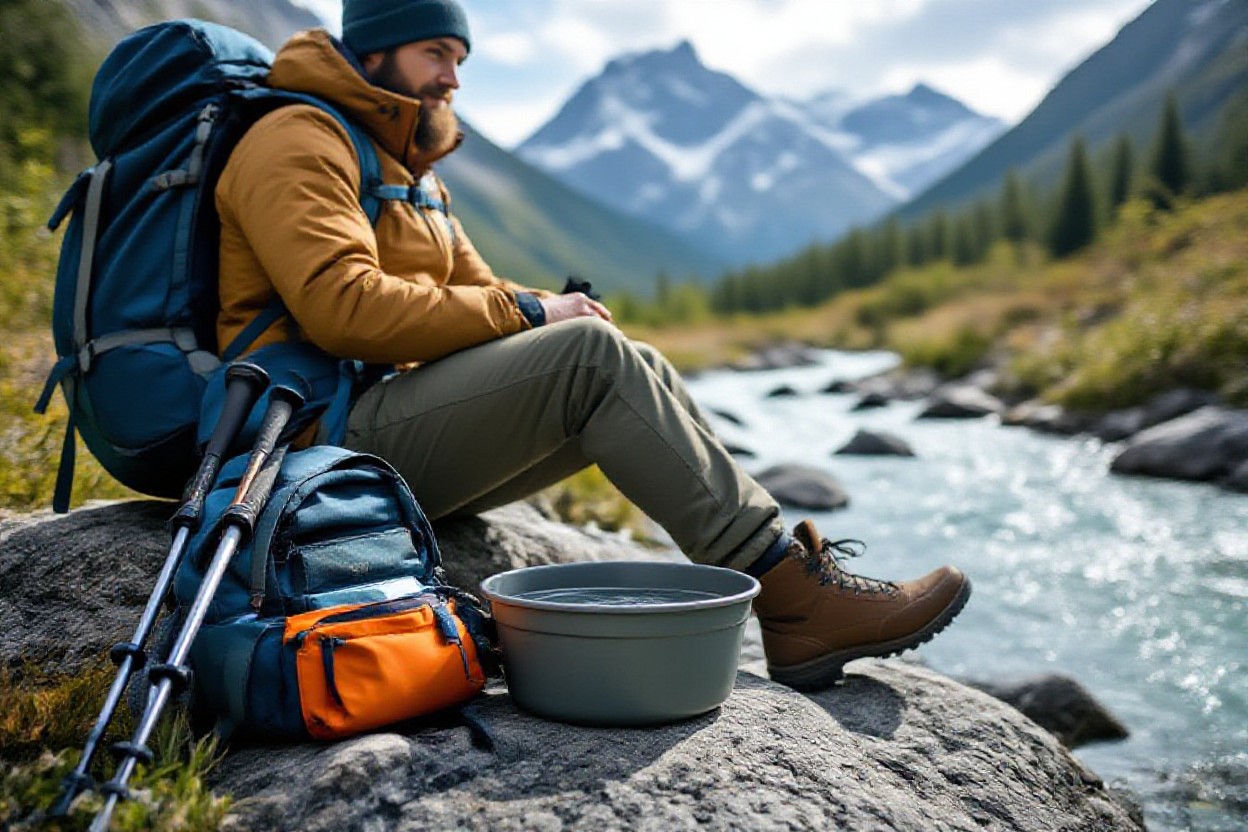
Fitness recovery begins with an active cooldown, hydration, and nutrient-dense meals to restore your glycogen and repair muscle; prioritize gentle stretching, foam rolling and 48-72 hours of reduced load, use sleep, elevation, contrast showers and compression to boost circulation, and monitor pain versus fatigue so you can safely resume full training.
Importance of Recovery

The recovery period after a long hike lets your body repair muscle fibers, rehydrate, and restore energy so you return stronger and reduce injury risk; prioritizing sleep, balanced nutrition, gentle movement, and hydration helps you consolidate gains and maintain endurance for future trips.
Benefits of Proper Recovery
An effective recovery routine speeds muscle repair, reduces inflammation, and replenishes glycogen so you feel less sore and are ready to hike again sooner; by combining stretching, rest, nutritious meals, and gradual activity you improve mobility and lower injury likelihood.
Physical and Mental Aspects
The physical and mental aspects of recovery work together: your muscles and joints need rest and nourishment while your mind requires downtime to process effort, reset focus, and prevent burnout so you stay sharp and motivated on the trail.
Due to prolonged exertion, your nervous system and energy stores need deliberate care-incorporate active recovery, consistent sleep hygiene, stress-reduction techniques, and social decompression to accelerate healing and help you return with greater confidence and alertness.
Hydration Strategies
While you focus on route and gear, plan how you’ll replace fluids and electrolytes to speed recovery; sip regularly, alternate water with electrolyte drinks, monitor urine color, and aim to rehydrate within 30-60 minutes after finishing to reduce fatigue and support muscle repair.
Importance of Rehydration
Around 1-2% body-weight fluid loss can impair your cognition and endurance, so prioritize restoring blood volume and electrolyte balance after a long hike; effective rehydration supports circulation, digestion, nutrient delivery, and helps prevent cramping and lightheadedness.
Optimal Fluid Intake
One practical approach is to drink 400-800 mL per hour during moderate activity, then replace 125-150% of the fluid lost over the next two to four hours after weighing yourself; include sodium (≈20-50 mmol/L) and some carbohydrates to speed absorption and replenish glycogen.
To fine-tune intake, weigh yourself before and after the hike to calculate fluid loss (1 kg ≈ 1 L), choose oral rehydration solutions or sports drinks when your sweat is heavy or salty, and take small, regular sips rather than large gulps to restore balance without nausea.
Nutrition for Recovery
Some focused nutrition accelerates your recovery after a long hike: hydrate with water and electrolyte-rich drinks, refuel with carbohydrate-rich foods to restore glycogen, add lean protein to repair muscle, and include antioxidant-rich fruits and greens to reduce inflammation and support repair.
Essential Nutrients
Before you rest, prioritize fluids and electrolytes, combine carbohydrates and protein (aim for a 3:1-4:1 carb-to-protein ratio) to aid glycogen replenishment and muscle repair, and include potassium, magnesium, iron, and vitamin C from whole foods to support energy and recovery processes.
Post-Hike Meal Ideas
Among practical options, choose a salmon or chicken and sweet potato plate, a quinoa bowl with roasted vegetables and beans, a Greek yogurt and berry parfait with nuts, a turkey and avocado sandwich, or a protein smoothie with banana and spinach to quickly refuel and rebuild.
Hence you should eat within 30-60 minutes when possible, aim for about 20-30 g of protein alongside sufficient carbs, favor easily digestible choices if you’re fatigued, pack portable meals for remote hikes, and adjust portions to match your exertion to avoid GI discomfort.
Rest and Sleep
All post-hike recovery depends on prioritized rest: you should schedule low-activity time, elevate your legs, and use ice or compression for swollen areas while keeping movement gentle to promote circulation; hydrate, eat a protein-rich snack, and allow your body uninterrupted downtime to rebuild and reduce fatigue.
Significance of Quality Sleep
The sleep you get after a long hike accelerates muscle repair, replenishes glycogen, and balances hormones that control inflammation and energy; by aiming for consistent sleep duration and uninterrupted deep sleep you enhance your performance on following days and lower injury risk.
Techniques for Better Rest
Rest with a short pre-sleep routine: do gentle stretching, take a warm shower, practice breathing exercises, dim lights and silence notifications, sleep in a cool, dark room, use supportive bedding, and limit heavy meals and caffeine close to bedtime so you fall asleep faster and sleep deeper.
Sleep helps when you use progressive muscle relaxation, box breathing, foam rolling sore areas, light magnesium and a protein snack before bed; avoid alcohol and late naps, and try contrast showers or targeted massage to settle muscles so you reach restorative sleep stages more reliably.
Stretching and Mobility Work
Unlike passive rest, active stretching and mobility work helps you flush metabolic waste, reduce soreness, and restore range of motion after a long hike. Focus on slow dynamic movements to re-engage muscles, then hold targeted static stretches for calves, hamstrings, quads, glutes and hips while breathing deeply; finish with light joint mobility for ankles and the thoracic spine. Spend 10-20 minutes to accelerate recovery and improve comfort the following day.
Post-Hike Stretch Routine
Behind your tired legs a simple post-hike routine speeds recovery: 5-10 minutes of walking and gentle dynamic drills (leg swings, knee hugs), followed by 6-8 static holds of 20-40 seconds targeting calves, hamstrings, quads, hip flexors and lower back. Breathe deeply, avoid forcing range, and rehydrate as you stretch. Aim for one short session immediately after hiking and another mobility check later in the evening.
Mobility Exercises to Consider
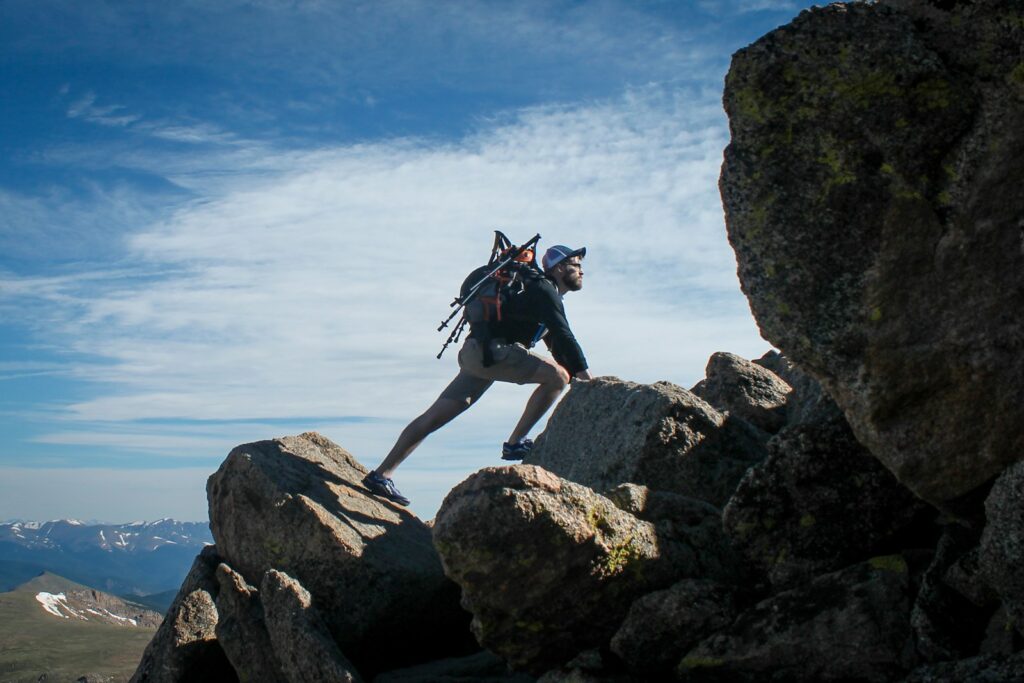
Stretch mobility work should include ankle circles, hip swings, the world’s greatest stretch, thoracic rotations, kneeling lunge with rotation, and glute bridges with slow eccentric lowering; these drills restore joint play and functional range so you move efficiently on uneven terrain. Do each movement for 8-12 controlled reps, focusing on coordination and pain-free motion to reduce compensations.
Also, progress gradually: increase range and load over days, use a foam roller or lacrosse ball for tender spots, and integrate mobility sessions before sleep and the next morning. If you have persistent sharp pain, scale back and consult a professional; otherwise consistency with short daily sessions keeps your joints resilient for future hikes.
Listening to Your Body
Once again you must tune into sensations after a long hike and act on them: prioritize sleep and hydration, use gentle stretching and light movement to promote circulation, address persistent swelling with ice and elevation, and reduce the intensity of your next outings until soreness and stiffness ease.
Recognizing Signs of Fatigue
Along your recovery pay attention to heavy legs, slowed pace, persistent muscle soreness beyond 48 hours, dizziness, nausea, impaired coordination, or an unusually high resting heart rate; if you notice these, stop exertion, rest, hydrate, refuel with carbs and protein, and reassess before resuming activity.
When to Seek Medical Attention
Recognizing symptoms that exceed routine fatigue will protect your health: seek immediate care for chest pain, fainting, severe shortness of breath, uncontrollable bleeding, sudden loss of sensation, severe limb swelling, or acute, worsening pain.
And if symptoms persist or worsen after 48-72 hours despite rest, or you suspect a stress fracture, deep infection, heat illness, or compartment syndrome, get evaluated promptly and bring details of the hike, medications, and your medical history for appropriate imaging or tests.
To wrap up
From above, you should prioritize rest, rehydrate with electrolytes, and refuel with carbohydrates and protein to rebuild energy and muscle. Elevate and ice swollen areas, tend to blisters or cuts, and use gentle stretching or foam rolling to restore mobility. Sleep well, monitor pain that worsens or persists, and ease into light activity the next day to promote circulation. These steps help you recover efficiently and be ready for your next hike.