How Weather Affects RV Living?

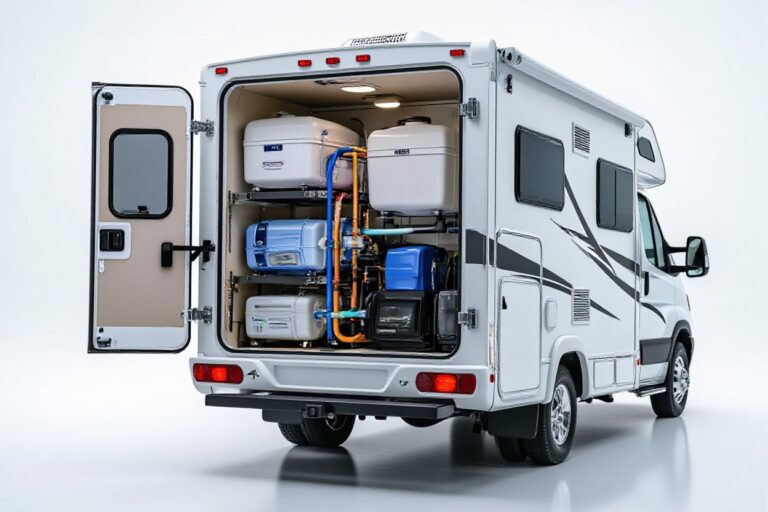
Just as seasons shift, weather dictates your RV choices: it shapes where you park, how you insulate and heat or cool your rig, and when you should travel; you must adapt systems, storage, and safety plans to wind, rain, snow, heat, and humidity to protect appliances, conserve energy, and maintain comfort and mobility throughout changing conditions.
Understanding Weather Patterns
To navigate RV life safely and comfortably you must track fronts, wind patterns, and precipitation trends; they influence route choices, campsite safety, and how your systems perform. You adapt schedules, conserve resources, and anticipate hazards by watching forecasts and local microclimates so your planning, maintenance, and on-the-road decisions keep your rig functioning and your travels uninterrupted.
Seasonal Variations
One season’s warmth can become another’s freeze, so you plan for heating, cooling, insulation, and water-system protection accordingly. You adjust driving times, tire pressures, and camping gear as roads, daylight and campground services shift; seasonal awareness helps you choose destinations, schedule maintenance, and pack appropriate supplies to avoid discomfort and damage.
Climate Zones
Understanding climate zones helps you match your RV and habits to temperature ranges, humidity, and extreme events; hot, arid, coastal, and alpine zones each demand different insulation, ventilation, corrosion protection, and pest controls. You evaluate equipment, energy needs, and site selection so your rig performs reliably across the environments you plan to visit.
Consequently, when selecting routes and upgrades you prioritize climate-appropriate features-efficient heating, robust seals, upgraded insulation, and cooling capacity-and stock supplies like freeze protection or extra shade solutions; proactive choices reduce repairs, improve comfort, and let you enjoy extended travel regardless of the zone you’re in.
Temperature Impacts on RV Living
Some temperature swings force actions you need to take: Temperature Effects
| Condition | Impact |
|---|---|
| Cold | Your pipes can freeze; batteries lose capacity; heating demand rises |
| Heat | Your AC runs more; interiors overheat; appliances and seals face added stress |
Heating and Cooling Needs
Beside comfort, you size heating and cooling to match insulation, occupancy and power limits; use skirting, shading and programmable controls to reduce load, and select systems that fit your RV’s electrical and propane capacities to maintain safe, steady temperatures.
Equipment and Maintenance
Maintenance of furnaces, AC units, seals and ducting keeps systems efficient; you schedule filter changes, test thermostats, inspect vents and winterize plumbing so equipment performs reliably across temperature extremes.
Consequently you prioritize battery care, proper propane handling, insulation upgrades and seal inspections, and use temperature and battery monitoring to adjust loads and prevent failures during severe cold or heat.
Precipitation Challenges
Assuming precipitation is frequent on your routes, you must manage leaks, roof integrity and site drainage to protect living space and chassis; inspect seals, clear gutters, park with slope for runoff, and monitor canvas and vents to prevent mold and electrical damage.
Dealing with Rain and Snow
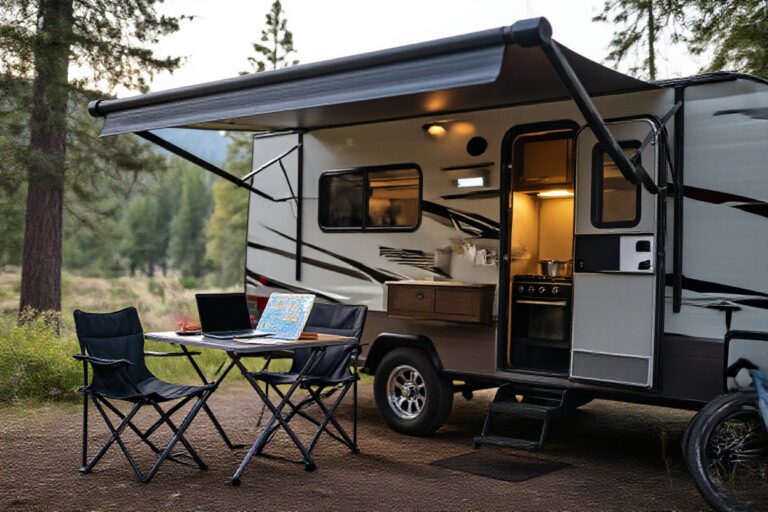
Against heavy rain and snow you should position your RV to avoid pooling, deploy awnings with caution, retract when snow-loaded, use traction aids and snow tires, and check gutters and roof vents after storms to prevent water ingress and weight stress.
Water Management in RVs
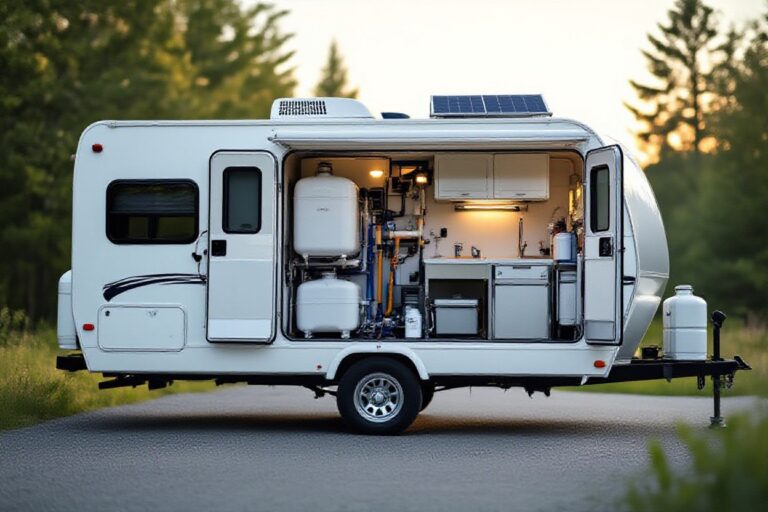
Between trips you can manage water by monitoring fresh, grey and black tank levels, using filters and pressure regulators, insulating hoses and winterizing lines when temperatures drop, and conserving water with low-flow fixtures to reduce waste and tank strain.
It helps to sanitize tanks regularly, inspect plumbing fittings and seals for hairline leaks before cold snaps, carry antifreeze rated for potable systems if wintering, and test your water pump and filter performance so you can avoid contamination or system failure on the road.
Wind Considerations
Keep an eye on sustained winds and gusts, since they affect towing, parking, and your rig’s exterior wear; plan routes and stops around forecasts, use weather apps, and avoid exposed passes or bridges when winds exceed safe limits.
Stability and Safety
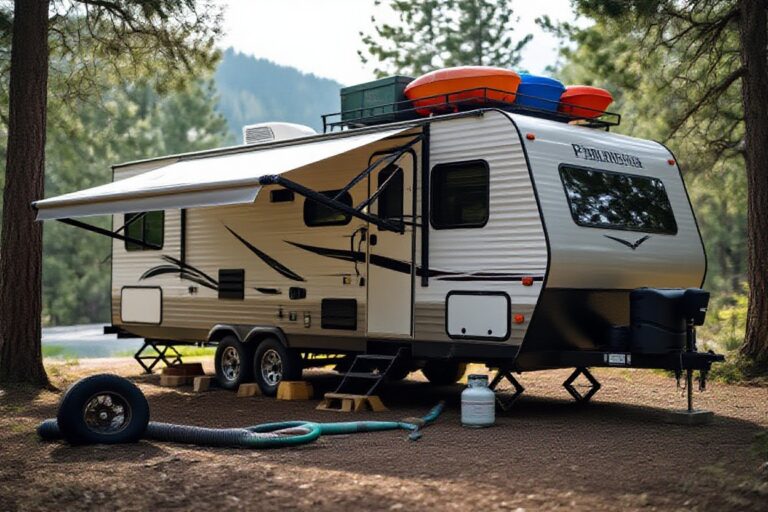
Beside monitoring wind speed, you must level and chock your coach, lower awnings, and use stabilizers; strong gusts can shift your rig, so park broadside to prevailing winds if possible, secure loose items, and stay inside during severe gusts to protect you and your possessions.
Choosing Campsites
For safer nights, select sites with natural windbreaks like trees or hills, position your RV with the nose or tail into the wind, and avoid ridge-tops, exposed lakeshores, or wide open fields; check local wind patterns and ask hosts about typical gusts.
At busy campgrounds, you should also consider proximity to facilities and neighboring rigs-avoid tight spots where gusts funnel between units, use quick-release tie-downs or sandbags on soft ground, and scout several sites before committing to ensure shelter and access.
Preparing for Extreme Weather
Not all storms are predictable, so you should plan: monitor forecasts, choose sheltered sites, secure awnings, stow loose gear, and have layered clothing and spare parts to protect your rig and maintain your safety during extreme weather.
Emergency Preparedness
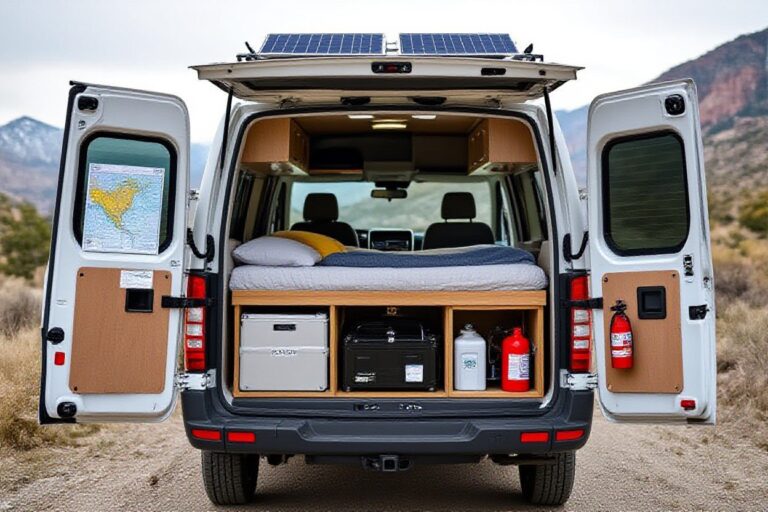
One compact emergency kit should include water, nonperishable food, basic medical supplies, a NOAA weather radio, charged power banks, a flashlight, spare keys, and copies of important documents; you should also map local shelters and rehearse evacuation procedures.
RV Modifications and Upgrades
By insulating windows, upgrading to all-season or winter-rated tires, installing a heated or tankless water system, reinforcing roof seams and seals, and adding protective awning supports, you reduce weather vulnerability and prolong your RV’s systems.
To maximize resilience, install higher R-value insulation, increase battery and charging capacity with solar plus MPPT controllers, fit a reliable furnace backup, add skirting for winter, and have professional roof coatings and HVAC upgrades to keep your systems operational and comfortable.
Adapting Lifestyle to Weather Conditions
Many RV routines shift with weather; you modify travel timing, choose campsites with shade or hookups, winterize tanks, adjust heating and cooling, and prioritize vehicle maintenance to avoid weather-related failures. You plan flexible itineraries, use local forecasts, and balance comfort with resource management to live smoothly across seasons.
Clothing and Personal Gear
Between layering basics and specialized gear, you pack breathable base layers, insulating mid-layers, a waterproof outer shell, sun-protective clothing, quick-dry fabrics, warm socks and sturdy boots. You store gear for easy access, keep a repair kit and compact drying solutions, and swap items seasonally to stay safe and comfortable.
Outdoor Activities and Entertainment
Behind activity choices lies weather-driven planning: you favor morning hikes in heat, schedule water sports on calm days, and choose sheltered spots for wind or rain. You bring portable shelters, weatherproof games, battery chargers, and flexible plans so entertainment remains enjoyable despite changing conditions.
Clothing for outdoor play should be activity-specific: you pick abrasion-resistant pants for trails, layered insulation for variable days, breathable tops for aerobic pursuits, and waterproof footwear for wet terrain; carry lightweight sun and bug protection, and pack a compact change of clothes to extend comfort when plans or weather shift.
Conclusion
With these considerations you can adapt your RV life to weather by planning routes, optimizing insulation and HVAC, protecting plumbing and batteries, and adjusting driving and camping choices for wind, heat, or cold. Your preparedness reduces stress, extends equipment life, and keeps you safe so you can enjoy more comfortable, reliable travel year-round.