How Weather and Water Conditions Affect Fishing?
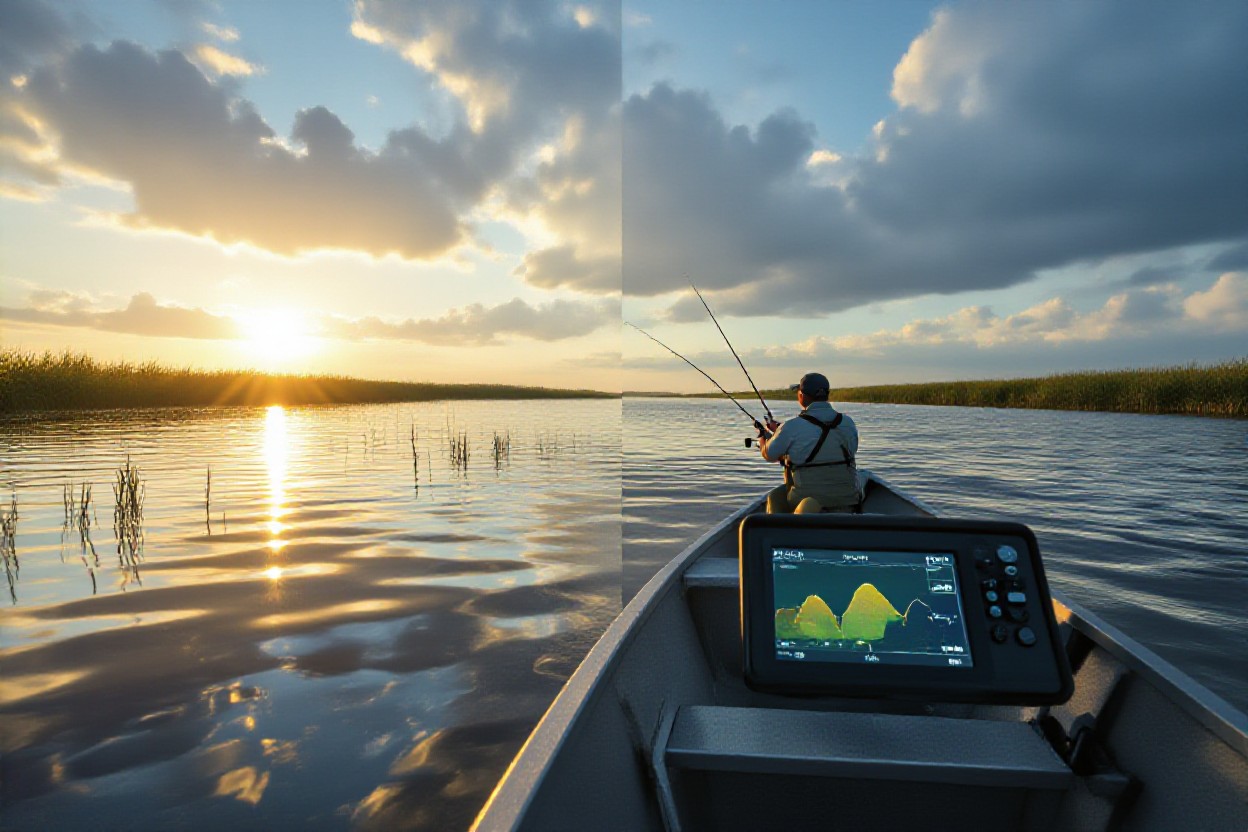
Fishing success depends on weather and water dynamics, and you can read conditions like wind, temperature, barometric pressure, currents, and water clarity to predict fish location and activity. By adjusting your lure choice, presentation, depth, and timing to match those factors, you increase your catch rate and make smarter decisions on the water.
The Impact of Weather on Fish Behavior
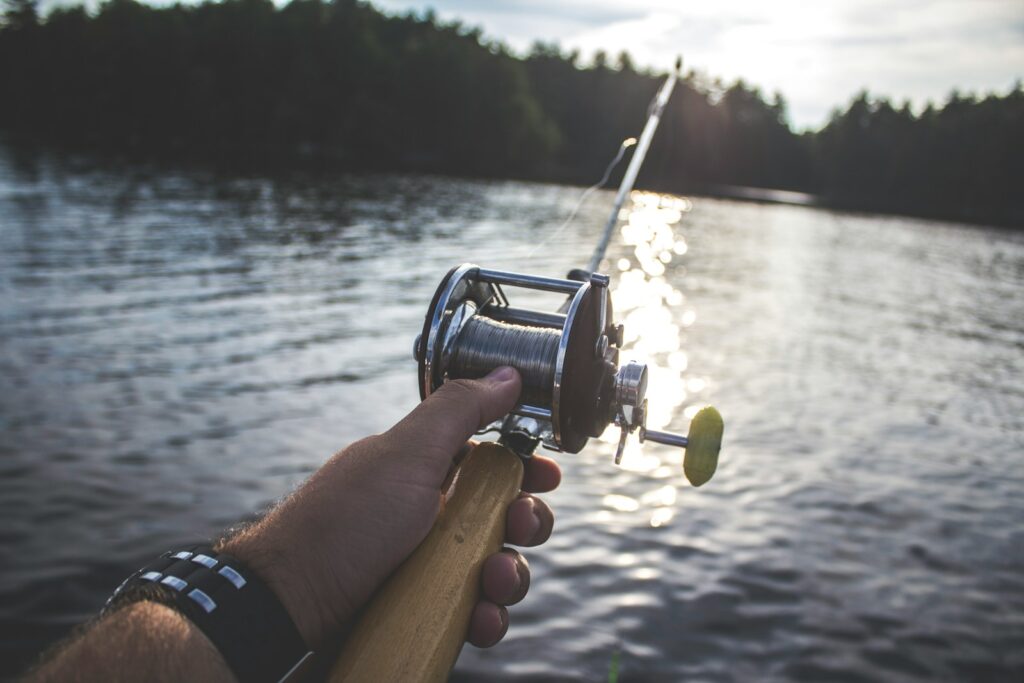
A change in weather quickly alters water temperature, light, and oxygen levels, so you must adjust tactics; fish often feed more actively during stable warm conditions and become sluggish during cold fronts, meaning your timing, depth choice, and bait presentation should match the current conditions and species you target.
Temperature Changes
Behind shifts in temperature you’ll see predictable movement and feeding changes; use depth and bait size to match metabolic shifts. Temperature Effects
| Temperature | Typical Fish Response |
|---|---|
| Rising/Warming | Higher metabolism, more surface activity and feeding |
| Falling/Cooling | Slower metabolism, fish move deeper and feed less |
Barometric Pressure Effects
Effects of rising pressure usually quiet fish and push them deeper, while falling pressure often triggers short-term feeding before a front, so you should monitor pressure trends and time your outings to when your target species is most likely to feed.
This sensitivity means you must adjust lure action, depth, and persistence: rising pressure favors subtle presentations deep, falling pressure allows more aggressive, shallow tactics, and steady pressure offers the most consistent results for planning your trips.
Water Conditions and Their Influence on Fishing
There’s a strong connection between water clarity, depth, flow and structure that determines where fish hold and how they feed, so you adapt bait, presentation and location to match conditions.
Water Temperature and Its Role
Their shifts control fish metabolism and range, so you seek warm seams in cool seasons and deeper, cooler water in heat to align your tactics with activity levels.
Temperature Effects
| Cold (<10°C) | Fish slow and deep; you fish slowly with subtle baits |
| Moderate (10-20°C) | Peak activity; you target feeding zones with standard presentations |
| Warm (>20°C) | Fish seek cooler strata or night feeding; you fish early/late and use fast or suspended baits |
Oxygen Levels and Fish Activity
The oxygen content directly affects fish location and feeding rhythm, so you monitor algal blooms, stratification and flow to find oxygen-rich zones where fish concentrate and bite more readily.
A low-oxygen layer compresses fish into narrow bands, so you target transition zones, inflows and higher-current areas, while post-storm oxygenation often produces short windows of aggressive feeding you can exploit.
Seasonal Variations in Fishing Success
It forces you to adapt gear, timing and presentation as temperature, daylight and water conditions shift; fish change depth, activity and feeding windows, so you must read currents, thermoclines and structure to decide where to fish and which tactics will keep your catch rate steady through the year.
Spring and Early Summer Fishing
Fishing in spring and early summer rewards you as warming water kicks off spawning and aggressive feeding; you should target shallow flats, inflows and cover during low light, use brighter lures or live bait, speed up retrieves as activity increases, and follow baitfish to find concentrated schools.
Fall and Winter Fishing Strategies
On fall and winter outings you should focus deeper and slower presentations because fish consolidate near thermoclines, channels and structure; downsize lures, slow your retrieves, fish midday warm spells, and use electronics to pinpoint holding fish before committing to a spot.
Success in cold seasons hinges on precise depth control, patience and bait choice: you should adjust weights and rigs to stay in the strike zone, favor scent or live offerings when activity is low, concentrate on tight cover and structure, and time your efforts around brief warmer windows or low-pressure transitions.
The Role of Weather Patterns
After patterns shift, you must adapt fishing strategy: temperature fronts determine where fish concentrate, barometric pressure affects feeding intensity, and seasonal winds change water mixing and food availability. By interpreting forecasts and observing local conditions you increase your chances of finding active fish and selecting appropriate tackle, bait, and presentation.
Rain and Its Effects on Fishing
Between light showers and prolonged downpours you can exploit changes in water clarity, oxygen levels, and prey movement; light rain often improves topwater action and masks your approach, while heavy rain can push fish to calmer zones or deeper water, so adjust depth and lure choice to match altered visibility and current.
Wind Impact on Fish Movement
By driving surface chop and shifting currents, wind funnels baitfish along windward shores and into structure, concentrating predators where you should position your boat or cast. You use wind direction to plan presentations, cast into wind for longer control, and target windblown points, shorelines, and submerged cover where fish ambush feeding schools.
Effects include increased mixing that can break thermoclines, bringing nutrients and prey into shallower layers; crosswinds create eddies around structure that form ambush zones; strong sustained winds often push fish to lee sides or deeper troughs, so you adapt by fishing sheltered areas, using heavier weights, and choosing sturdier rigs.
Techniques for Adapting to Changing Conditions
Not every shift in wind, cloud cover or barometer ruins a day; you read conditions, adjust depth, lure choice and retrieve speed, and vary presentation to match fish behavior so your catch rate stays high.
Equipment and Gear Considerations
At different temperatures and water clarity you switch line type, test strength, lure size and color, and carry sinking and floating options plus varied hooks and weights so you can adapt presentation quickly.
Choosing the Right Fishing Spots
On windy days you fish leeward shorelines, points and structure; in clear water you target deeper breaks, drop-offs and shaded edges; during low light focus on current seams and bait concentration where you can intercept feeding fish.
Techniques you use to find holding areas include scanning for surface bait, using a depthfinder to locate temperature and depth breaks, and approaching quietly; position your boat upwind or up-current and vary your angle to present lures through likely ambush zones.
Local Climate and Fishing Trends
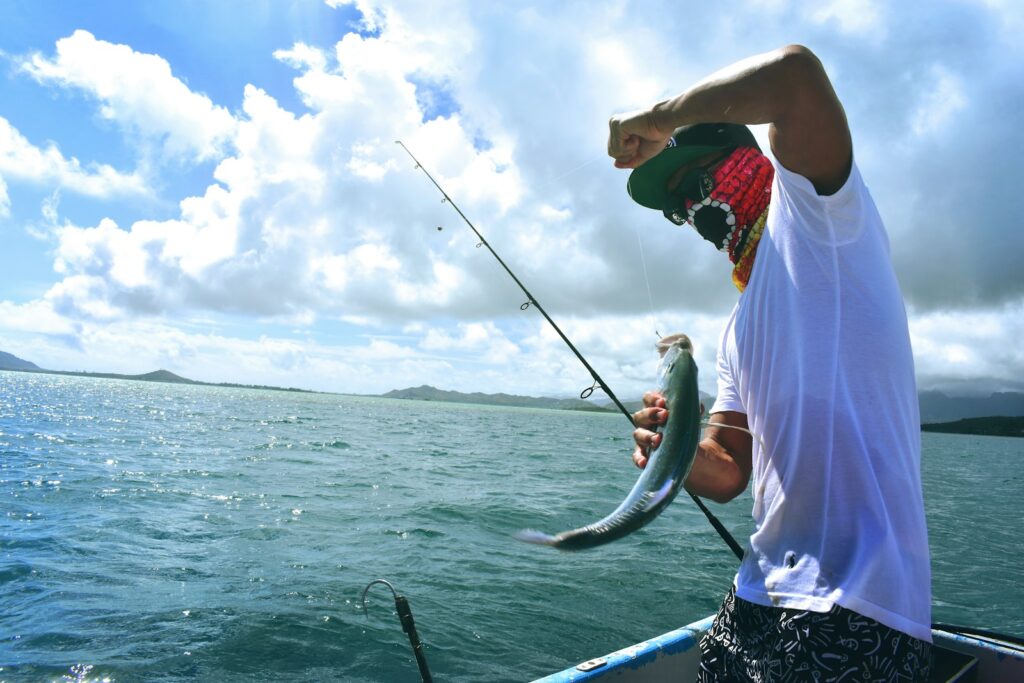
Many local climate patterns-temperature ranges, seasonal precipitation, wind regimes, and daylight shifts-shape when fish feed, spawn, and migrate, so you should track historical weather trends and seasonal cues to time trips, pick the right gear, and focus on habitats where your target species are most active.
Regional Variations in Fishing Success
For regional variations, coastal fisheries are driven by tides and currents while inland lakes depend on stratification and runoff timing, so you need to learn how local hydrology and weather influence species behavior and adapt your depth, presentation, and timing accordingly.
Impacts of Climate Change on Fish Populations
After years of warming and altered precipitation patterns, you’ll notice range shifts, changed spawning cues, and more disease outbreaks, requiring adjustments in target species, fishing locations, and an awareness of evolving regulations and seasonal windows.
In fact, modest temperature increases can lower dissolved oxygen and disrupt food webs, pushing coldwater species deeper or poleward and favoring warmwater competitors; you can respond by seeking thermal refuges, varying presentation and depth, supporting habitat restoration, and sharing observations with monitoring programs that guide management.
To wrap up
Presently, understanding how weather and water conditions influence fish behavior helps you choose locations, baits, and timing; temperature and thermoclines affect metabolism, barometric pressure and wind change feeding patterns, and clarity and currents determine presentation and depth. By reading forecasts and observing water, you increase your chances of consistent catches and can adapt tactics quickly to seasonal and daily shifts.