
How Weather Conditions Affect Hiking Safety?
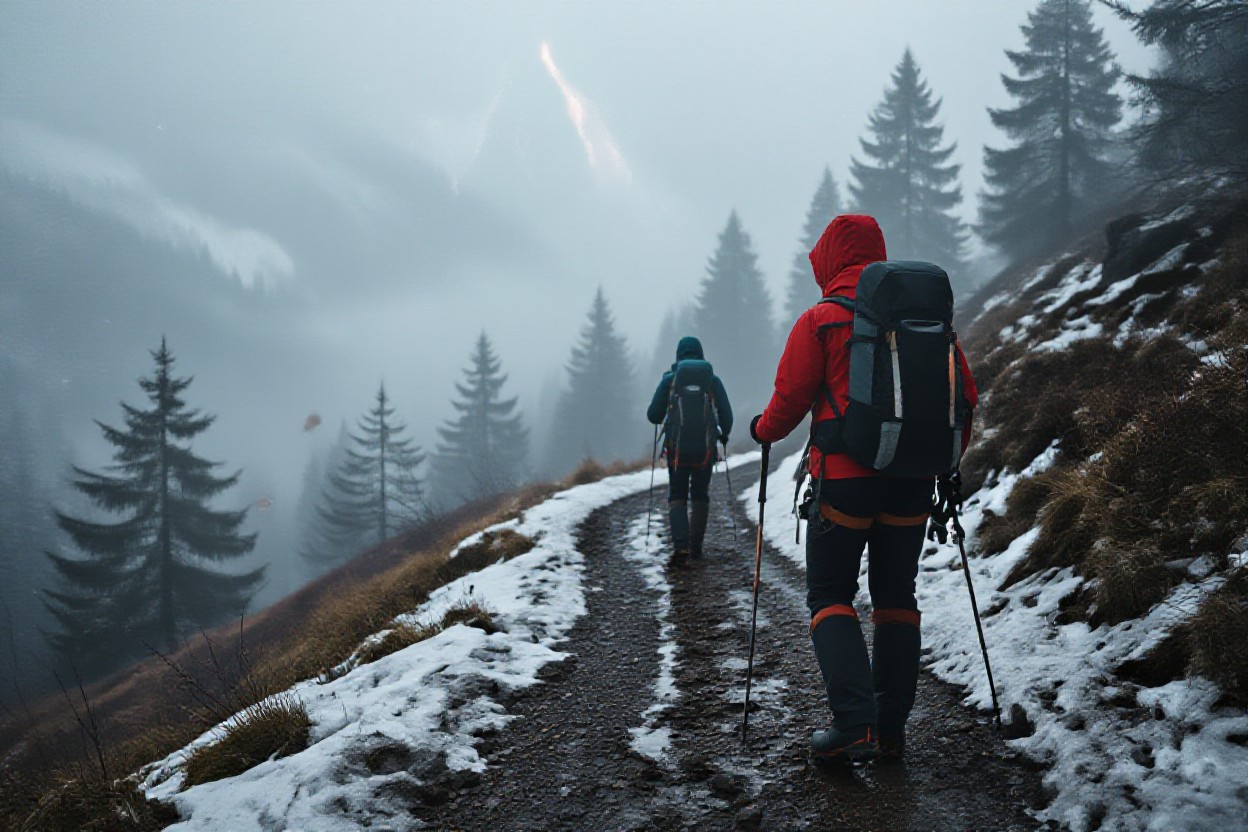
You need to assess how temperature, precipitation, wind, and visibility influence trail conditions, pace, and decision-making before and during a hike. Your gear choices, hydration, and navigation strategies change with heat, cold, storms, or fog, and recognizing signs of hypothermia, heat illness, or lightning risk lets you act early. Planning for weather windows and flexible itineraries keeps you safer and reduces the chance of emergencies.
Understanding Weather Patterns
To interpret fronts, pressure trends, wind shifts, and humidity changes, you assess how systems move and interact so you can time departures, select routes, and pack appropriate layers to reduce exposure and avoid rapid hazards.
Temperature Variations
Patterns in daily highs and lows change your hydration, clothing layers, and exertion strategy. Temperature effects
| Hot >30°C | You face dehydration and heat stress; slow your pace and hydrate frequently. |
| Warm 15-30°C | You can use light layers; monitor effort and sun exposure. |
| Cool 0-15°C | You need insulating layers and wind protection to retain heat. |
| Near freezing -5-0°C | You must protect extremities and limit wet exposure. |
| Below -5°C | You risk frostbite and hypothermia; shorten stops and add insulation. |
Precipitation Types
An active atmosphere can produce rain, sleet, snow, hail, or drizzle, each altering traction, visibility, and wet-bulb cooling so you adjust gear and timing accordingly.
| Rain | You get slick surfaces and soaked layers; waterproofing and ventilation matter. |
| Drizzle | You have persistent dampness that chills; keep layers breathable. |
| Sleet | You face freezing surfaces and abrasion; test footing and stay warm. |
| Snow | You contend with deep drifts, route-finding issues, and insulation needs. |
| Hail | You may get sudden impact and rapid cooling; seek shelter fast. |
- Carry a lightweight waterproof layer and pack cover.
- Protect electronics in dry bags.
- Use traction devices when surfaces glaze.
Assume that you alter timing and equipment for each precipitation type.
Hence you should evaluate intensity, duration, and elevation to choose shelter, route, and contingency plans.
| Light, brief | You can often continue with rain gear and caution. |
| Persistent moderate | You will wet out layers; plan for drying or early exit. |
| Heavy | You face low visibility and rapid cooling; shelter or descend. |
| Freezing precipitation | You must prioritize warmth and avoid exposed ridges. |
| Mixed types | You need versatile gear and conservative navigation. |
- Check forecasts for timing and intensity.
- Pack redundancy for critical items.
- Plan lower-elevation alternatives.
Assume that you will adjust plans proactively when precipitation threatens safety.
Wind and Its Impact on Hiking
One powerful gust can push you off balance on exposed ridgelines, increase windward cooling, and make setting tents or crossing bridges hazardous; you should seek sheltered terrain, lower your center of gravity, and secure gear.
Wind Chill Factors
Between cold air and steady wind, wind chill lowers perceived temperature, speeds heat loss, and raises hypothermia risk; you should layer insulation, cover hands and face, and avoid prolonged exposure.
- Shivering and numb fingers
- Wet clothing accelerates cooling
- Slowed decision-making
Recognizing when to add layers, seek windproof shelter, or abort the hike saves lives.
Gusts and Hazards
Against exposed ridgelines and narrow cols, gusts can knock you off your feet, fling debris, and destabilize tents; you should use poles for bracing, shorten your stride, and move to leeward terrain when wind increases.
The unpredictability of gusts means you must choose conservative routes, anchor shelters low, rehearse quick-shelter maneuvers, and monitor conditions so you can react before a sudden blast creates danger.
Lightning Risks on the Trail
The presence of lightning on mountain trails elevates danger rapidly; you face higher risk on ridgelines, open meadows, and near solitary trees, and conductive gear or wet clothing increases your chance of injury, so you must prioritize forecast checks and timely route changes.
Recognizing Storm Signs
About sudden darkening skies, an uptick in wind, temperature drops, and distant or crackling thunder should prompt you to act; hair standing on end, a metallic taste, or rapidly building cumulus clouds are warning signals to seek lower ground or shelter immediately.
Safety Precautions
Behind seeking shelter in a hard-sided vehicle or substantial building, you should avoid lone trees, ridgelines, exposed summits, water, and metal equipment; if no shelter exists, spread out from companions and adopt a low crouch on the balls of your feet to minimize contact with the ground.
Hence wait at least 30 minutes after the last thunder before resuming your hike, stow trekking poles and metal items, avoid overhangs that can channel current, and use terrain to put distance between you and the highest points-taking decisive, conservative choices preserves your safety.
The Role of Visibility in Hiking Safety
Keep your awareness high when visibility drops; reduced sight limits your ability to spot hazards, judge distances, and time movements on trails. Use a headlamp, map, and slower pace; stick to marked routes, communicate with companions, and adjust trip plans to avoid exposed terrain you cannot clearly see.
Fog and Low Light Conditions
Against fog and low light conditions you should reduce speed, wear bright layers and a headlamp, and rely on GPS and compass rather than distant landmarks; keep group spacing tight, mark waypoints, and postpone exposed ridgeline travel until visibility improves to lower your risk of slips and getting off-route.
Navigational Challenges
With limited visibility navigation becomes harder, so you must be proficient with map and compass, set conservative route objectives, and check bearings frequently; continuous route-finding and noting landmarks reduce the chance you become disoriented and increase options for a safe retreat.
Safety preparation means you carry redundant navigation tools, spare batteries, and fallback plans; practice relocating using map features, use tactile cues like streambeds and trails, share planned checkpoints with others, and be willing to turn back early if your positional certainty degrades.
Seasonal Weather Considerations
Your seasonal planning should adjust routes, gear, and pace to shifting risks-thunderstorms and heat in summer, snow and avalanche danger in winter, spring melt and unstable footing, and fall storms with shorter daylight; check forecasts, inform someone of your plan, and select clothing, water, and timing to match conditions so you stay safe.
Summer Heat
Any summer hike demands strict hydration, sun protection, and pacing to avoid heat illness; you should start early, carry extra water and electrolytes, wear breathable clothing and a hat, monitor for dizziness or cramps, and shorten or reschedule hikes when temperatures or humidity rise.
Winter Conditions
Winter conditions bring short days, icy trails, and concealed hazards; you must carry traction devices, insulated layers, reliable navigation, and emergency shelter, be vigilant for hypothermia signs, and consult avalanche forecasts when traveling in alpine terrain.
Plus you should train in winter skills like using an ice axe and crampons, travel with partners experienced in cold-weather travel, carry extra fuel and a charged communication device, and leave a detailed itinerary so rescuers can find you if plans change.
Preparing for Sudden Weather Changes
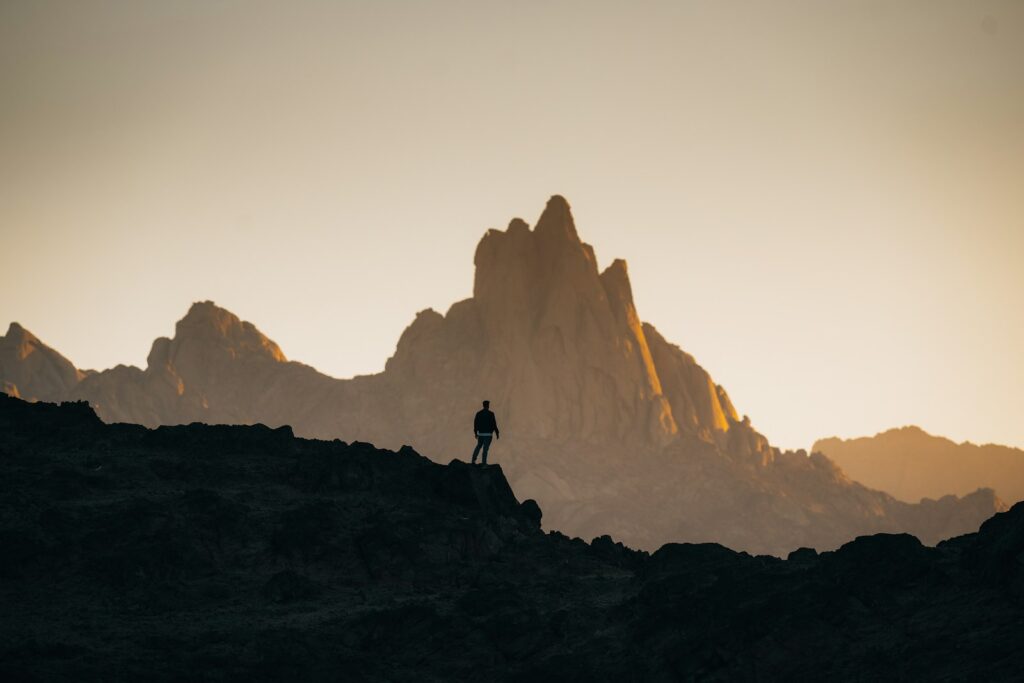
For sudden weather shifts you prepare by layering versatile clothing, carrying a waterproof shell and insulated midlayer, checking forecasts and route conditions frequently, and setting firm turnaround and bailout points so you can act decisively when visibility, temperature, or wind worsen.
Emergency Kits and Gear
Against unexpected storms you carry a compact emergency kit: insulated shelter or bivy, waterproof matches or lighter, headlamp with spare batteries, a basic first-aid kit, high-calorie food, and a reliable navigation device so you can stabilize your situation and signal or navigate to safety.
Route Planning and Flexibility
About route planning and flexibility, you choose lines with lower exposure, identify multiple bailout options, estimate slower travel in poor conditions, and build time buffers so you can alter objectives without forcing risky late-day travel.
Route-level scouting means studying topography for exposed ridges and creek crossings, marking shelters and evacuation points, noting likely cell coverage, and rehearsing decision triggers so you know when to abort, descend, or shelter in place under deteriorating weather.
Conclusion
On the whole you must treat weather as a primary factor in hike safety: check forecasts, adjust route and timing, pack appropriate layers, shelter, and navigation tools, and monitor your body’s signals for hypothermia, heat illness, dehydration, or altitude effects. Strong winds, heavy rain, snow, and lightning demand turning back or seeking safe shelter; poor visibility and unstable terrain increase injury risk. With vigilance and flexible plans you keep your hikes safer and more enjoyable.


One Comment