
Planning Routes and Stops for RV Travel

Routes form the backbone of successful RV trips: you assess road types, bridge and clearance restrictions, fuel or charging availability, and ideal daily mileage while plotting campsites and scenic stops that match your pace. You factor in weather, traffic patterns, and reservation windows to keep your itinerary flexible yet efficient, minimizing stress and maximizing on-the-road enjoyment.
Understanding RV Travel

Before you plan routes and stops, assess driving range, campsite sizes, hookups, and onboard systems so your route, timing, and comfort align with your skills and trip goals.
Types of RVs and Their Features
Along your options from compact campervans to full-size motorhomes, you weigh size, towing capability, and amenities to match driving confidence and trip purpose. Choose smaller rigs for maneuverability and economy, larger rigs for living space and systems. Thou prioritize sleeping capacity, kitchen layout, storage, and tow ratings when planning your routes.
- Campervan – compact for urban and roadside stops that suit your spontaneity
- Truck camper – rugged access so you reach remote trailheads
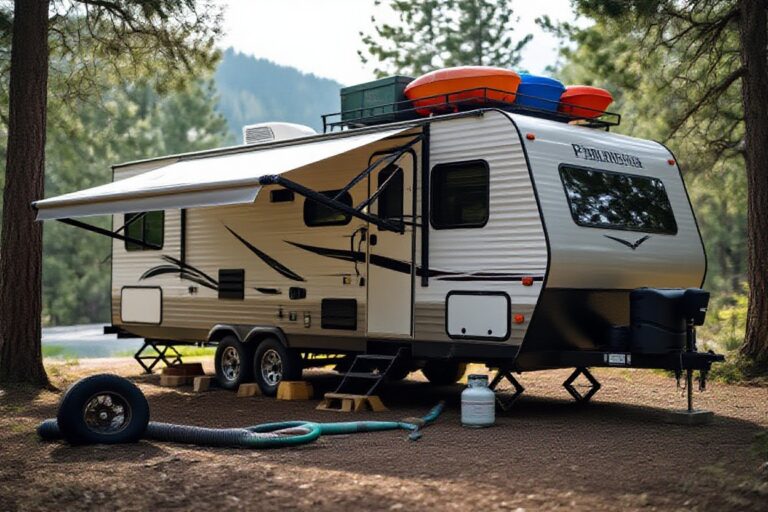
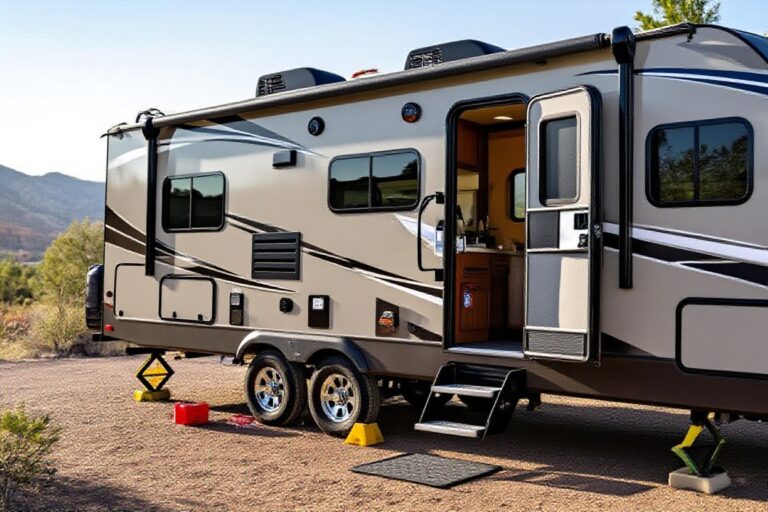
- Travel trailer – detach and use your tow vehicle for local errands
- Fifth wheel – extra space and stability for longer stays
- Class A motorhome – full amenities when you want home-like comfort
| Campervan | Compact, easy to park |
| Truck Camper | Off-road capable, compact footprint |
| Travel Trailer | Towable, detaches for flexibility |
| Fifth Wheel | Spacious, excellent storage |
| Class A Motorhome | Full amenities, best for extended travel |
Benefits of RV Travel
About your ability to set pace and route, RV travel gives you mobility, on-demand lodging, and the convenience of carrying gear and comforts that support varied itineraries and budgets.
For instance, you lower lodging costs, maintain flexibility to extend or shorten stays, and access remote parks and scenic routes while keeping familiar conveniences onboard.
Route Planning Basics
The best RV routes start with assessing your vehicle, trip goals, and comfort: you should balance daily mileage with sightseeing, check clearance heights and weight limits, identify reliable fuel and supply stops, and build flexibility for weather or mechanical issues so your itinerary stays safe, achievable, and enjoyable.
Key Considerations for Route Selection
One of your first tasks is matching roads to your RV: consider height, length, and weight restrictions, steep grades and tight turns, access to services and overnight parking, daylight driving preferences, and whether you prioritize scenic routes or faster travel to ensure your route fits your vehicle and pace.
Tools and Resources for Route Planning
Among the tools you should use are RV-aware GPS apps, state DOT websites for closures and restrictions, campground directories, weather and traffic trackers, and community forums where other RVers share real-world experiences to verify route suitability and update plans on the go.
Another effective practice is combining digital and analog resources: download offline maps, set an RV profile in navigation apps, consult satellite imagery for tight approaches, keep paper maps or printed directions as backup, and cross-check user reports with official sources so you can adapt quickly while on the road.
Identifying Stops Along the Route
Even when you plan efficiently, map flexible stops that balance driving distance, service access, and personal energy; identify fuel and repair points, note seasonal road closures, and slot rest breaks to maintain safety and comfort so your route adapts to delays and opportunities without disrupting your schedule.
Must-See Attractions and Destinations
One effective method is to list attractions you won’t compromise on, then estimate visit duration, accessibility for your RV, and reservation needs so you can sequence stops logically and avoid backtracking while maximizing time at places that matter to you.
Campgrounds and RV Parks
Against settling for the first match, compare site sizes, hookup types, reviews, and on-site rules so you secure camps that accommodate your rig, budget, and routine; checking proximity to grocery, medical, and emergency services keeps your trip resilient.
To choose the best campground, verify pad dimensions, turnaround space, and nightly limits, inspect photo evidence or virtual tours, call management about generator and quiet-hour policies, and book ahead for peak seasons so your overnight plans align with comfort and safety expectations.
Time Management for RV Trips
To manage time effectively on RV trips, set realistic daily mileage goals, prioritize must-see stops, and build flexible arrival windows so your plans absorb delays. You should schedule buffer time for traffic, fuel or campsite check-in, and unexpected detours, using route apps and a printed backup to keep your itinerary on track while staying adaptable.
Estimating Travel Time
By estimating travel time using your RV’s typical cruising speed and planned stops, you can create achievable day plans. Factor in road type, elevation changes, towing weight, campground check-in, and frequent rest breaks; add a conservative buffer (often 20-30%) to GPS estimates. You should check recent traffic and road reports and revise estimates nightly.
Balancing Drive and Leisure Time
Below a balanced schedule pairs driving blocks with dedicated leisure windows so you enjoy destinations without rushing; you should limit daily driving to what your group tolerates and designate full days for exploration. Plan longer travel days between clusters of attractions and reserve extra time at sites you value most to avoid a rushed experience.
Management of this balance means you break drives into 2-4 hour stints, plan midday rests, and allocate time for chores like groceries or laundry. If you travel with others, rotate driving to reduce fatigue; aim to arrive at camp before dusk and keep buffer hours for spontaneous detours or extra sightseeing.
Safety and Maintenance Tips

Your regular inspections and preventive maintenance protect you and your RV on the road; perform predeparture checks and prioritize system upkeep.
- Check tires, brakes, lights
- Secure loose items and propane
- Test batteries and fluids
Assume that you perform regular inspections, log maintenance, and adjust plans to avoid hazards and fatigue.
Preparing the RV for the Journey
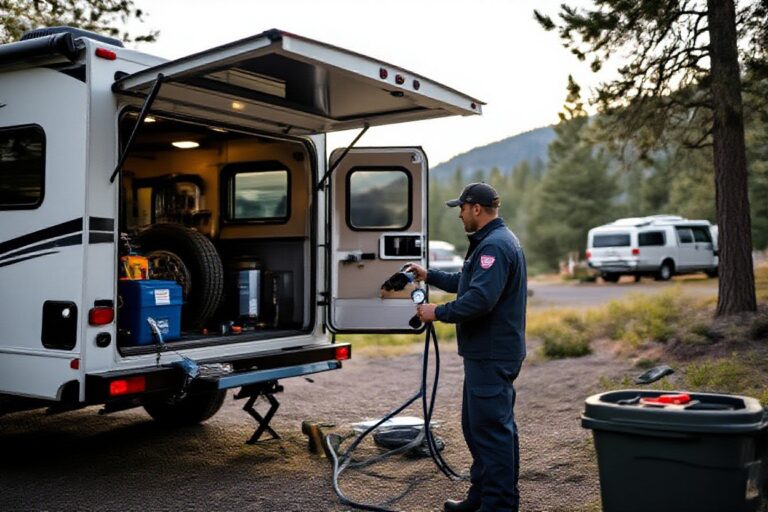
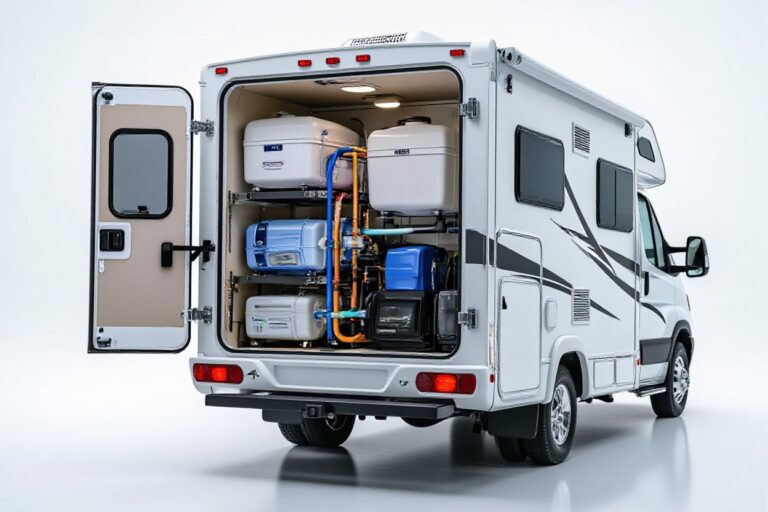
Against departure you should run a full checklist, test appliances and systems, verify fluid levels and tire pressure, secure cabinets and cargo, update insurance and roadside assistance info, and pack lights, tools, and an emergency kit so you can handle common roadside issues.
Road Safety Practices
Maintenance of safe driving habits requires you to adjust speed for conditions, allow extra braking distance, keep your mirrors and cameras calibrated, distribute weight evenly, obey height and weight limits, use rest stops to avoid fatigue, and signal lane changes early to protect other road users.
Hence you should plan routes avoiding narrow, low-clearance roads, check weather and traffic updates before departure, practice turns and reversing in a safe space, use lower gears on descents, and run periodic brake checks during long trips to maintain control and prevent mechanical stress.
Navigating and Adjusting Your Plans
All route changes and navigation decisions require you to act proactively: use reliable apps, paper maps, and local signs to guide adjustments, note fuel and service stops, and set realistic daily distances. Plan buffer time for driving, parking, and sightseeing, align reservations with plausible arrival windows, and communicate schedule shifts to companions. Track weather and road alerts, and keep contingency options for alternate campsites. Maintaining flexibility helps you adapt without stress while protecting your safety and comfort.
Dealing with Unexpected Changes
Among common disruptions-mechanical issues, sudden weather, or closures-you prioritize safety, then logistics. Pull over safely, assess the situation, contact roadside service or local repair shops, and alert your campground if you’ll be late. Use apps and community groups for real-time updates, rely on your emergency kit and insurance, and keep digital and paper copies of important documents. Having a shortlist of alternate overnight options minimizes downtime and helps you get back on the road quickly.
Making the Most of Flexibility in Your Itinerary
Along flexible stretches of your itinerary you can expand experiences: linger at scenic stops, follow local recommendations, or swap planned stops for unexpected gems. Balance must-see destinations with open days, monitor crowd levels and weather to reorder visits, and use spare time for maintenance or rest. When you allow small detours, your trip gains spontaneity without derailing major plans; set priorities so vital bookings remain secure while you explore freely.
Hence, to exploit flexibility effectively you set clear priorities, reserve must-have campsites in advance but keep several open nights, and limit daily driving to a comfortable maximum so you can seize spontaneous stops. You use route-planning apps with offline maps, mark alternative campgrounds, and adopt a simple decision rule-if a detour adds less than 30 minutes and matches your top interests, take it. Regularly sync plans with travel partners and log changes so you preserve momentum without losing the freedom to explore.
Final Words
Ultimately you should plan routes and stops that balance daily driving limits, fuel and service availability, and scenic or amenity priorities; use reliable mapping tools, confirm RV-friendly roads and overnight options, schedule rest and maintenance windows, and build flexible time buffers so you can adapt to weather, road closures, or spontaneous detours while keeping safety and comfort central to your trip.
One Comment