
Seasonal Gardening Tasks for Homeowners
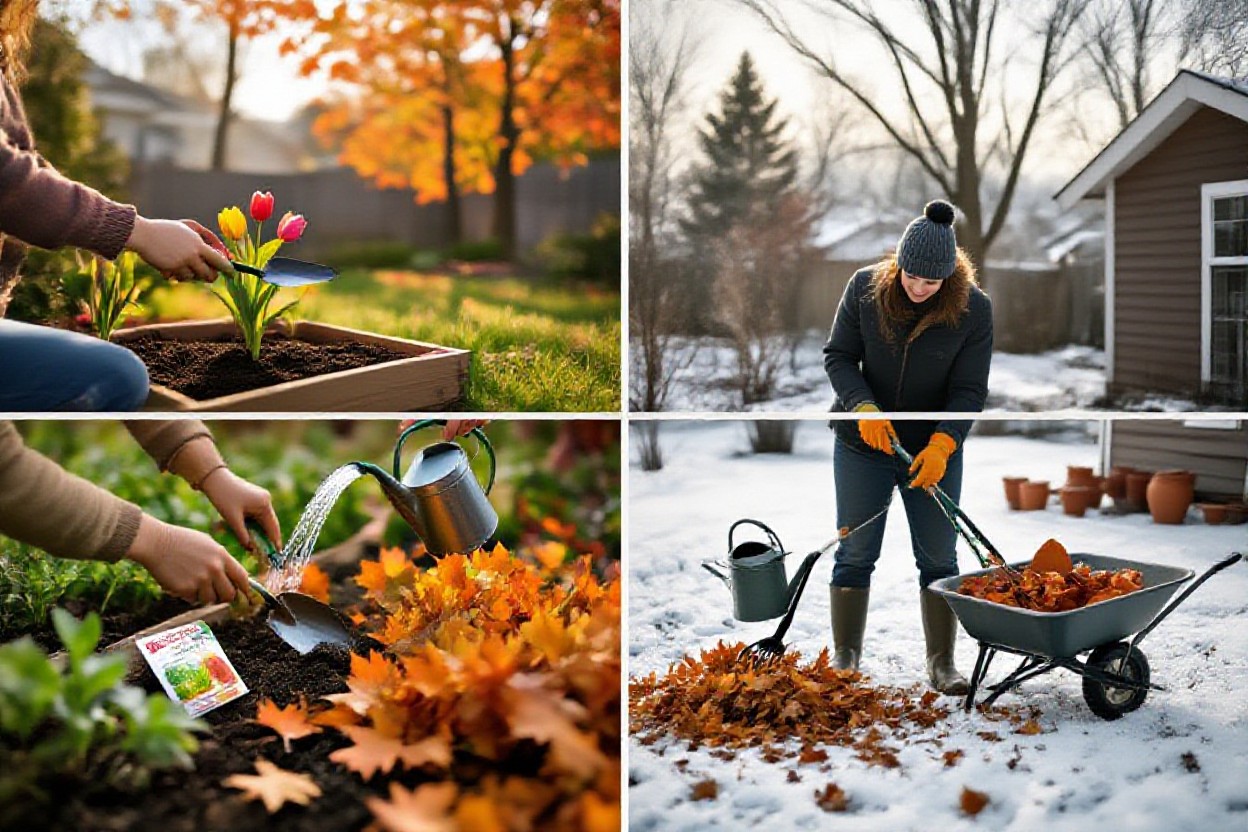
Homeowners should plan seasonal gardening tasks to keep landscapes healthy and productive; by adjusting pruning, soil care, planting, pest management, and irrigation each season, you prevent problems and promote growth.
Create a calendar for spring planting and pruning, summer watering and pest control, fall cleanup and soil amendment, and winter tool maintenance and planning, so your garden thrives year-round.
Spring Gardening Tasks
Before spring fully arrives, you should clear winter debris, prune dead or damaged branches, sharpen tools, inspect irrigation, and plan your planting map; early soil testing and mulching where needed give your beds a head start so your plants establish quickly as temperatures rise.
Preparing the Soil
One of your first jobs is to prepare soil by testing pH and nutrient levels, loosening compacted areas, and blending in plenty of compost or aged organic matter; you should correct drainage and adjust pH before planting so roots get immediate access to air, water and nutrients.
Planting Annuals and Perennials
Soil that is friable and amended will help you set annuals and perennials at the correct depth and spacing, and you should harden off seedlings, wait until frost risk passes for tender plants, water thoroughly after planting, and apply a thin mulch to conserve moisture and suppress weeds.
In fact, you can stagger plantings to extend bloom and harvest windows, divide crowded perennials in early spring, pair compatible companions to deter pests, and follow a modest feeding and watering schedule to encourage robust root development and long-term garden resilience.
Summer Gardening Tasks
You should focus on heat-tolerant care: monitor soil moisture daily, prune sparingly, deadhead spent blooms, stake tall plants, harvest regularly, and plan late-season sowings; schedule heavier tasks for cooler mornings or evenings to minimize stress on you and your garden.
Watering and Mulching
About watering: give deep, infrequent soakings to encourage strong roots, water in the early morning, use drip irrigation or soaker hoses, apply 2-4 inches of organic mulch to retain moisture and suppress weeds, and check soil moisture below the surface before you irrigate again.
Pest Control and Maintenance
Along with weekly inspections, you should scout for aphids, caterpillars and fungal symptoms, remove affected foliage promptly, encourage predators like ladybugs, use targeted organic controls when necessary, and maintain good airflow and sanitation to reduce pest habitat.
Hence, when treatments are necessary, opt for least-toxic options, spot-treat rather than broadcast-spray, apply controls in the evening to protect pollinators, use physical barriers and traps, and keep notes so you can identify recurring problems and refine your approach.
Fall Gardening Tasks
Even as temperatures drop, you should focus on cleaning beds, dividing perennials, mulching, testing soil, and adjusting irrigation; these steps extend plant health and reduce spring workload while you plan crop rotations and order seeds for next year.
Harvesting and Preserving
Among your fall tasks, harvesting ripe vegetables and fruits promptly preserves flavor and prevents losses; you should sort, wash, cure root crops, blanch and freeze greens, or can jams and pickles, labeling containers with dates so your pantry supplies stay organized through winter.
Preparing for Winter
Harvesting late crops and clearing debris gives you space to mulch beds, protect tender plants with burlap or cloches, drain irrigation lines, shelter containers, and sharpen or oil tools so your garden withstands freezes and you face spring with less catching up to do.
Hence you should plant cover crops to prevent erosion, add compost to improve soil tilth, wrap young trees to prevent rodent damage, cut back perennials to reduce disease, and keep bird feeders and water available so your landscape sustains wildlife while beds rest.
Winter Gardening Tasks
Keep your garden tidy and resilient through winter by clearing dead foliage, pruning damaged branches, and applying a layer of mulch to roots. Store and sharpen tools, drain hoses, and protect containers from freeze-thaw by elevating them. Start a seed inventory and force bulbs indoors so you’re ready for early spring, and monitor pests and moisture to prevent winter losses.
Planning for Spring
Around late winter you should test soil, order seeds and bulbs, sketch bed layouts, and schedule transplant dates. Start cold-hardy seeds indoors and group tools and supplies so you can hit the ground running when temperatures rise.
Protecting Plants from Frost
Any tender plants should be moved to sheltered spots or wrapped with frost cloths, and containers should be clustered and raised off cold surfaces. Water soil before an expected frost to buffer roots, avoid placing plastic directly on foliage, and use cloches or temporary heaters for especially sensitive specimens.
For instance, cover small shrubs with breathable row covers anchored to the ground, drape beds with frost blankets that extend to the soil, and add a thick mulch layer around perennials to insulate crowns. For pots, wrap them in bubble wrap or burlap and bring tender containers indoors at night; remove coverings by day to prevent overheating and moisture buildup.
Seasonal Tools and Equipment
Unlike a one-size-fits-all kit, seasonal tools and equipment change with weather and tasks; you should swap heavy pruners, mulching forks, and snow gear as the year turns, keep irrigation and light hand tools ready for spring and summer, and plan transitions so your garden stays productive and manageable every season.
Essential Tools for Each Season
Tools you need shift by season: in spring have spades, soil testers, and a quality hose; summer favors watering wands, hand forks, and mulchers; fall needs rakes, sturdy pruners, and leaf collection gear; winter requires shovels, insulated gloves, and de-icing tools-keep a core set you rotate and maintain.
Maintenance of Gardening Tools
Above all, regular upkeep keeps tools reliable: you should clean blades after use, oil moving parts, sharpen cutting edges, and store tools dry; inspect handles for damage and replace worn parts so you can work efficiently each season.
The best maintenance routine is simple and regular: wipe soil after every use, oil joints weekly in busy months, sharpen pruners monthly during pruning season, deep-clean and service tools before winter storage, and sanitize blades between plantings to prevent disease while keeping spare parts on hand for quick repairs.
Gardening Tips for Homeowners

Not every task requires heavy equipment; you can maintain a healthy yard with routine habits, such as:
- test and amend your soil
- prune seasonally and add mulch
- water efficiently and monitor pests
Perceiving your garden’s microclimates lets you place plants and schedule care where they will thrive.
Sustainable Practices
Sustainable methods reduce waste and lower inputs; you should compost kitchen scraps to enrich your soil, harvest rainwater for irrigation, choose native and drought-tolerant species to cut watering needs, and use mulching and targeted organic controls to support beneficial insects and soil health.
Maximizing Small Spaces
Above all, prioritize vertical gardening, container layering, and compact cultivars so you can grow effectively on patios, balconies, or narrow beds; employ trellises, hanging baskets, and stacked planters to expand growing area and visual interest.
Another approach is to plan succession planting, combine edibles with ornamentals for dual-purpose beds, optimize light exposure by rotating containers, and ensure adequate soil depth, drainage, and focused irrigation to boost productivity in limited footprints.
To wrap up
With this in mind, prioritize a seasonal plan: tune soil management, timely pruning, planting, mulching, irrigation adjustments, pest monitoring and tool maintenance. By following the calendar and adapting to local conditions you maintain plant health, conserve resources and keep your garden productive year-round.


One Comment