Simple Ways to Improve Backyard Growing Success
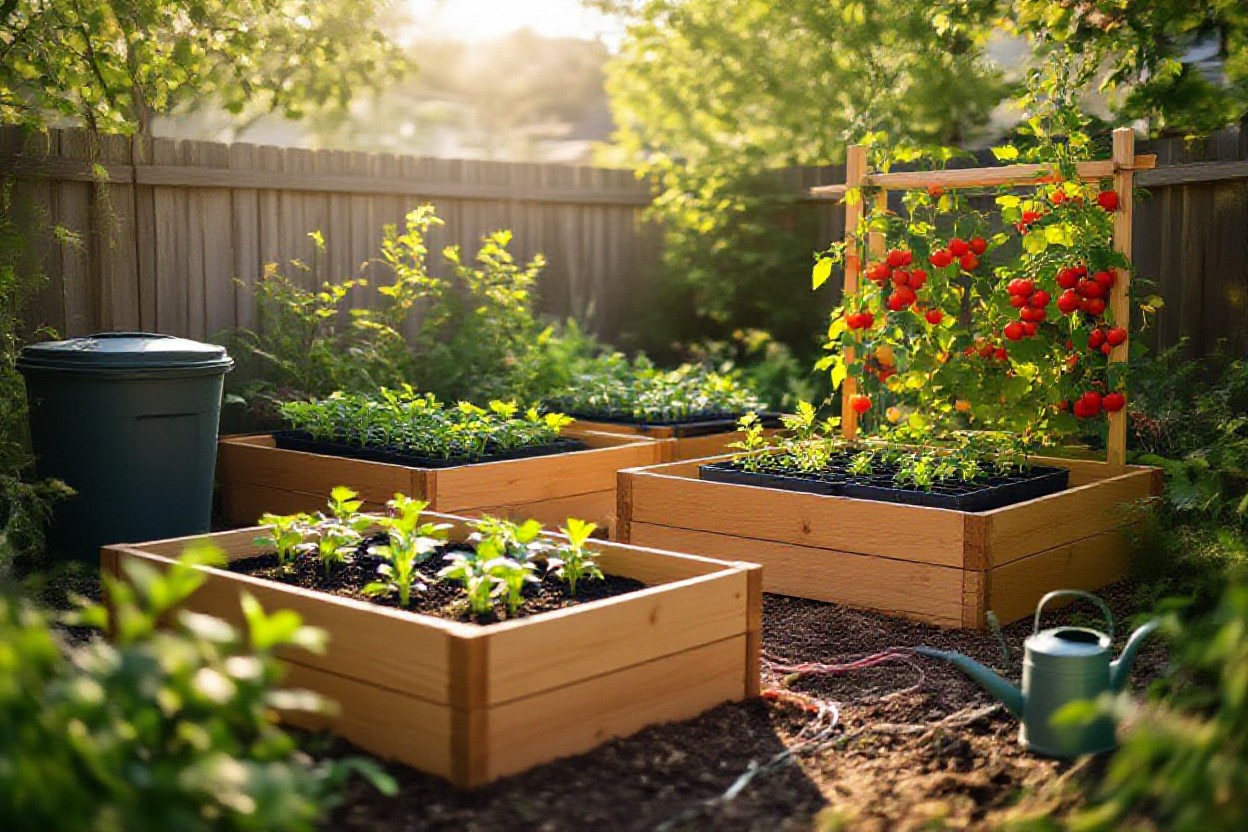
Backyard gardens thrive when you focus on soil health, proper watering, and plant selection; by testing and amending your soil, mulching to retain moisture, and choosing varieties suited to your climate, you can increase yields and reduce pests. You should also rotate crops, monitor for disease, and use targeted fertilization to keep plants vigorous throughout the season.
Choosing the Right Location
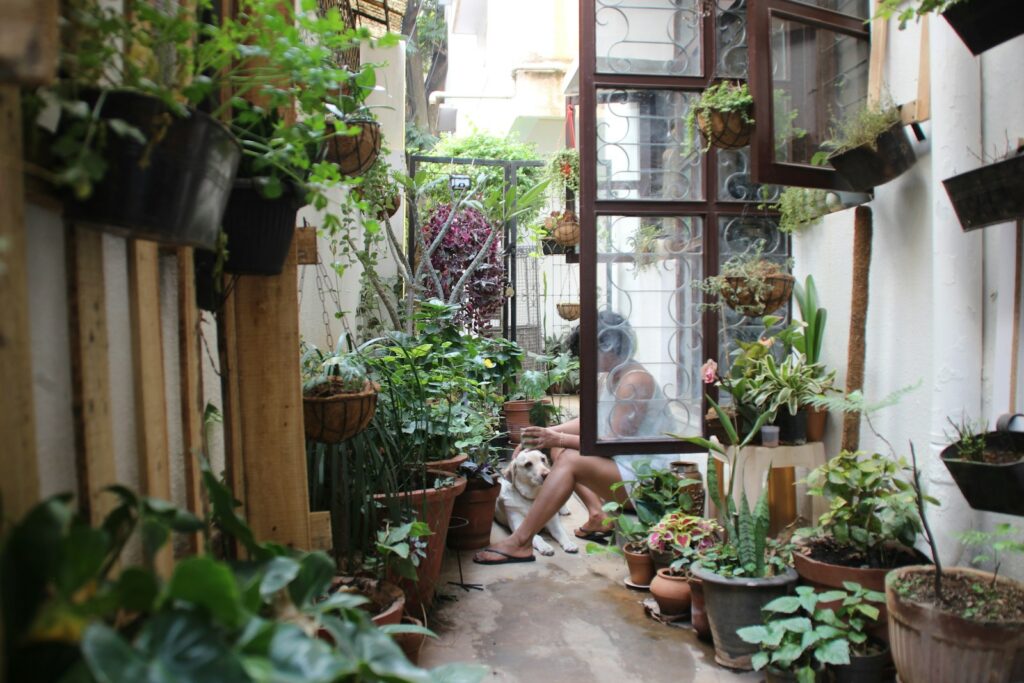
For best results you should select a spot with level ground, good drainage, and easy access to water; situate beds or containers where you can tend them without strain, avoid low-lying frost pockets, and consider proximity to utilities and storage to streamline planting, harvesting, and maintenance.
Sunlight Requirements
Around six to eight hours of direct sun suits most vegetables and many flowers, but you should map morning versus afternoon light; place sun-loving crops where they get unshaded exposure and reserve shadier corners for lettuces, herbs, or shade-tolerant ornamentals.
Wind Protection
About positioning windbreaks, you should use fences, hedges, or trellises to reduce drying and physical damage; place barriers on the prevailing wind side and allow airflow to prevent stagnant, humid pockets that invite pests and disease.
Hence you can choose permeable windbreaks like shrubs or lattice that diffuse strong gusts while still letting light through; temporary screens work for young plants, and orient rows so taller crops shelter more delicate ones without creating shade problems.
Soil Preparation
Some basic soil preparation makes backyard gardening more reliable: clear weeds, loosen the bed to 6-12 inches, and work in organic matter to improve texture and drainage. You should correct compaction, level beds for even moisture, and mulch to conserve water and suppress weeds so roots establish quickly and plants access nutrients efficiently.
Testing Soil Quality
With a simple home test kit or a professional lab analysis you can measure pH, nitrogen, phosphorus, potassium, and organic matter; collect several samples across the bed and avoid testing right after heavy rain. You should track results, test every 2-3 years, and use findings to match crops to soil or plan amendments.
Amending Soil Nutrients
Nutrients are adjusted by adding compost, well-rotted manure, or targeted fertilizers based on your test results; lime or sulfur corrects pH, while slow-release options prevent nutrient spikes. You should apply amendments in measured amounts, incorporate them into the topsoil, and follow label rates to protect roots.
Even small, regular additions of compost and planting cover crops will build long-term fertility and soil biology; side-dress with compost or organic fertilizer for heavy feeders during the season, and avoid blanket high-nitrogen applications that favor foliage over fruiting. You should monitor plant responses and re-test soil to refine your approach.
Selecting the Right Plants
Assuming you select plants suited to your USDA zone, sun exposure and soil type, you’ll cut failures and boost yields; favor varieties labeled short-season or drought-tolerant if your site is limited, and choose compact cultivars for small beds so you can manage spacing, watering and harvests without overextending resources.
Growing Season Considerations
Against planting on impulse, plan around frost dates and heat windows so you time sowing and transplanting for consistent growth; you should check average last and first frost, stagger plantings for continuous harvests, and pick varieties with maturity dates that fit your season.
Companion Planting
To deploy companion planting, pair crops that deter pests, enhance flavor or fix nitrogen; you can place aromatic herbs to repel insects, flowers to attract pollinators, and legumes to enrich soil, arranging beds so beneficial partners are within effective distance without crowding your main crops.
At the bed level, you can plant basil beside tomatoes to improve growth and flavor, intersperse marigolds to reduce nematodes, and sow alyssum to lure hoverflies; track what combinations work in your yard and adjust spacing and timing to prevent competition and maximize mutual benefits.
Effective Watering Techniques
Your plants perform best when you match water delivery to soil texture and root depth: probe soil before watering, apply water slowly and deeply to encourage roots, mulch to conserve moisture, and avoid wetting foliage to lower disease risk; adjust volume for containers versus in-ground beds.
Irrigation Methods
Against defaulting to overhead sprinklers, you should choose drip, soaker hoses, or targeted hand-watering that deliver water to the root zone, reduce evaporation, and lower disease pressure; match the system to garden size, plant spacing, and your maintenance capacity.
Watering Schedule
One reliable approach is for you to water deeply and less often so the top inch or two can dry between sessions, encouraging roots to grow deeper; increase frequency in heat, decrease after rain, and adjust for seedlings and containers that dry faster.
This means you check soil moisture with your finger, a probe, or a moisture meter, schedule watering for cool mornings to minimize evaporation and disease, and tailor timing and amount to plant type, growth stage, and recent weather.
Pest and Disease Management
Unlike blanket chemical spraying, an informed approach centers on monitoring, identifying pests and diseases, and applying targeted solutions so you protect beneficial organisms and preserve soil and plant health while minimizing risks to your family and local wildlife.
Organic Control Methods
For organic control, you should often scout, handpick or trap pests, encourage predators like ladybugs and lacewings, and use low-toxicity options such as insecticidal soaps, neem oil, or diatomaceous earth as spot treatments to limit collateral damage.
Preventative Practices
Organic preventative practices focus on crop rotation, selecting resistant varieties, proper spacing and ventilation, balanced fertilization, and consistent watering to reduce plant stress and lower the likelihood of outbreaks before they start.
Also, sanitize tools, promptly remove diseased plant material, apply mulch to regulate moisture, diversify plantings to break pest cycles, and keep a garden journal so you can detect patterns and refine preventive measures each season.
Season Extension Strategies
Now you can stretch your growing season by using simple tools and timing adjustments that protect plants from cold and heat stress; choose site-appropriate techniques like mulches, containers, microclimate tuning, succession planting, and low-cost structures so your harvests start earlier and finish later without complex equipment.
Utilizing Cold Frames
Against sudden frosts you can use cold frames to trap daytime heat and shield seedlings; place frames facing south, use clear glazing, insulate the base with straw or boards, and vent on warm days so your plants get warmth and airflow while establishing earlier than in open beds.
Using Row Covers
The light fabric of row covers raises nighttime temperatures and blocks light pests while letting air and moisture through; drape covers over hoops or directly on crops, secure edges, and select weights for the season so your crops gain freeze protection and insect exclusion with minimal setup.
Cold cloth weights range from 0.7 to 3.0 oz/yd²; you can layer lightweight covers for added winter protection or switch to heavier fabric for late fall, and you should lift covers for pollination or high heat-anchor edges with soil, pins, or sandbags so wind doesn’t undermine your protection.
To wrap up
Presently you can consolidate gains by adopting simple, consistent habits that improve yield and reduce problems: test and amend soil, water deeply and infrequently, mulch, rotate crops, and scout regularly for pests and deficiencies.
Tailor techniques to your microclimate, keep brief records, and refine your plan each season to achieve steady backyard growing success.