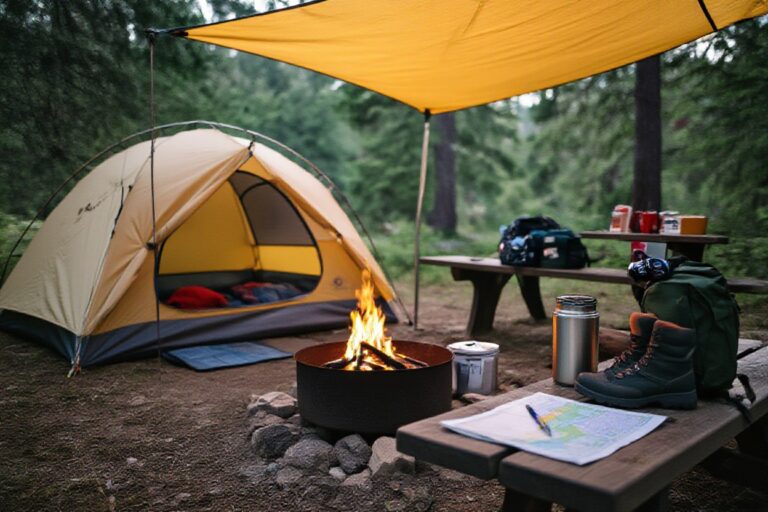
How to Stay Safe While Living in an RV?
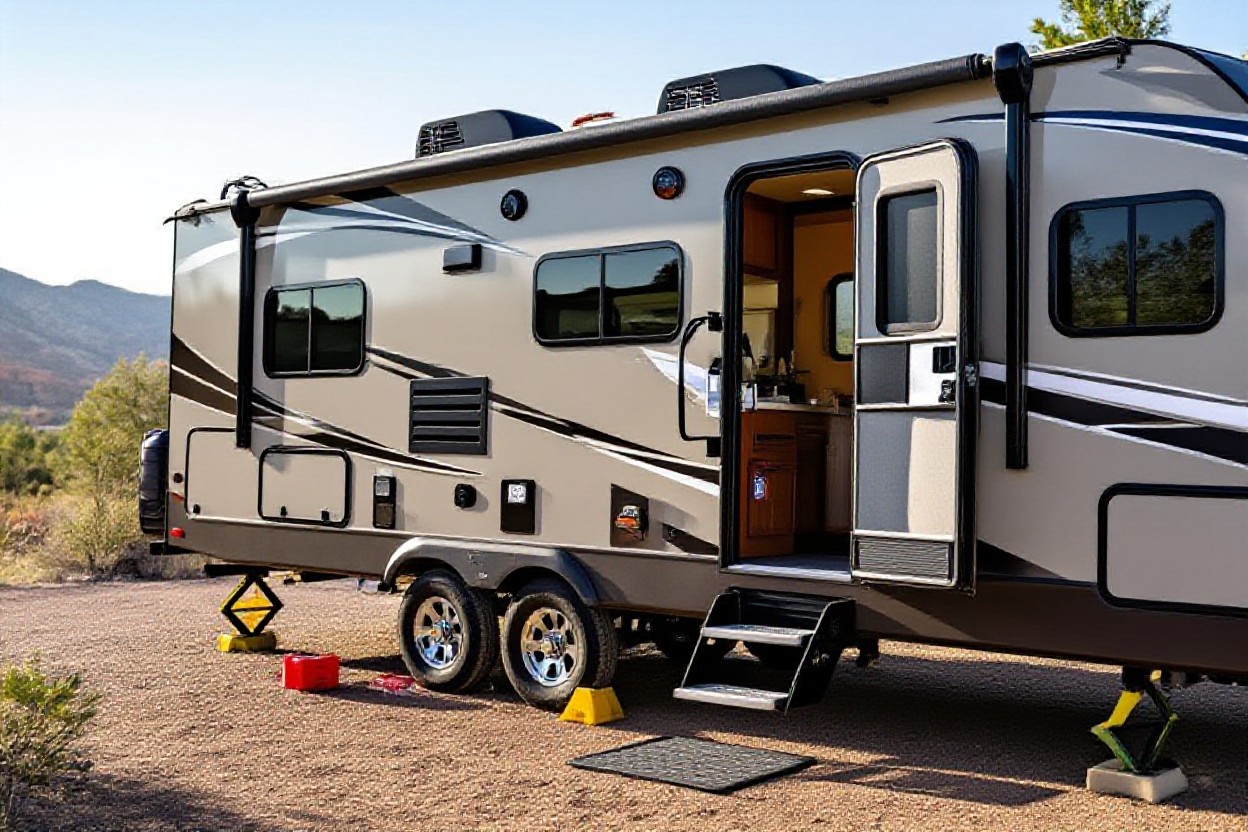
You can protect yourself and your belongings while living in an RV by adopting practical safety habits: secure doors and windows, install and test alarms and detectors, keep propane and electrical systems properly maintained, create an emergency plan, and choose well-lit, legal overnight spots.
Regular inspections, backup power options, and situational awareness reduce risks and help you travel with confidence. Follow these proven measures to make your RV a secure, resilient home on the road.
Choosing the Right RV
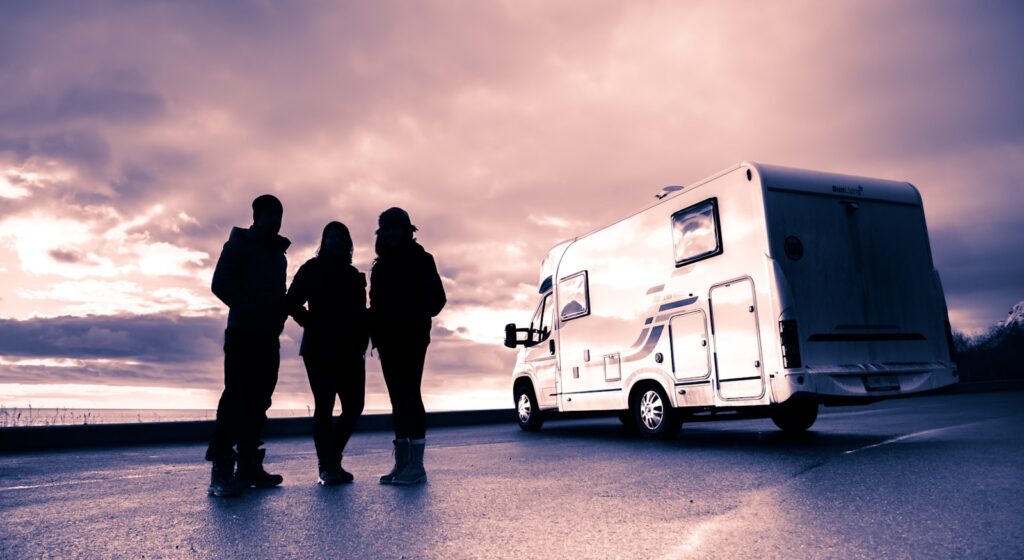
For safe RV living, you should pick a model that matches your driving comfort, travel frequency, and maintenance ability; prioritize solid construction, weatherproofing, and accessible service points so you can avoid unexpected failures and stay secure on the road.
Size and Layout Considerations
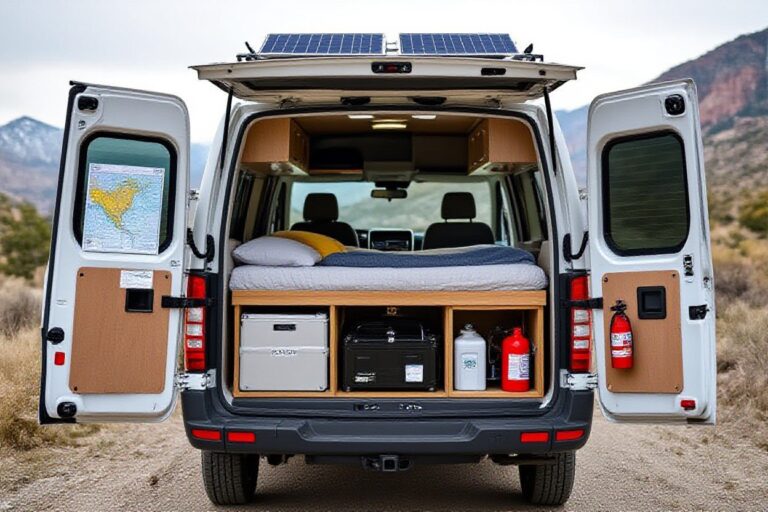
Choosing the right size and layout means balancing living space with drivability; you should prioritize clear walkways, dedicated sleeping quarters, and ample, lockable storage for equipment and propane so you can move safely and evacuate quickly if needed.
Safety Features to Look For
Among the safety features you should seek are dual-function smoke and carbon monoxide detectors, a propane detector, accessible fire extinguishers, secure entry locks, a backup camera, tire pressure monitoring, and GFCI outlets to reduce risks both on the road and at camp.
For instance you should test detectors monthly, replace batteries as needed, inspect tire pressure and brakes before trips, check propane fittings for leaks after hookups, keep a rated fire extinguisher within reach, and use wheel chocks and a solid hitch lock to prevent accidents and theft.
RV Security Measures
Clearly you should treat your RV like a mobile home: reinforce doors and windows, install motion-activated exterior lighting, fit a visible alarm or camera system, use wheel immobilizers and hitch locks, park facing exits and near activity, lock cabinets for valuables, maintain good insurance and document serial numbers so you can act quickly if theft or damage occurs.
Locking Systems and Alarms
After you choose locks, prioritize hardened deadbolts or RV-rated electronic locks, pair them with a monitored alarm and door/window sensors, set motion detectors for both interior and exterior zones, opt for systems that send alerts to your phone, and have a professional install or certify wiring to avoid false alarms and ensure reliable operation.
Safe Camping Practices
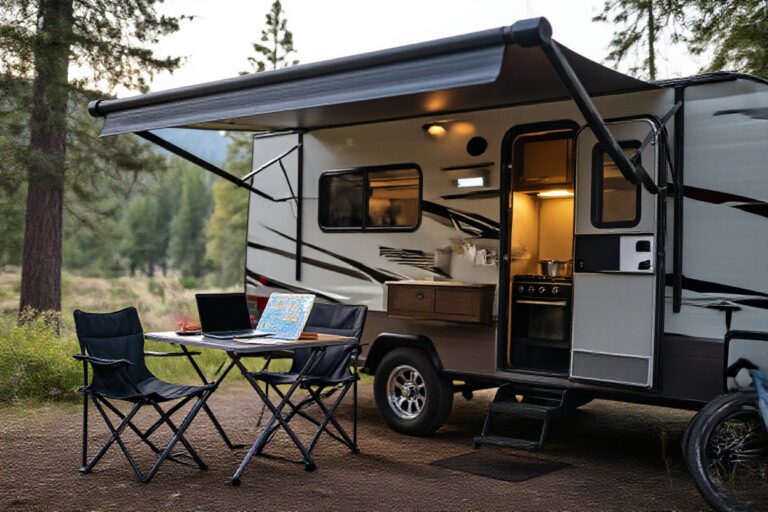
For safe campsite habits, pick well-lit, populated sites or gated parks, position your RV for clear sightlines to approaches, park near hosts or neighbors when possible, conceal valuables, limit public posts about extended absences, and maintain a charged phone and backup power so you can call for help if needed.
This extra layer of practice means checking park rules, introducing yourself to nearby campers, testing alarms and locks after setup, using timed lights to simulate occupancy, keeping exits unobstructed, storing ignition keys in a secure place, and keeping an up-to-date inventory and copies of documents in a locked, fireproof container or cloud backup so you can respond quickly to any incident.
Emergency Preparedness
Some planning keeps you safer on the road: create evacuation routes, monitor weather and alerts, keep fuel and batteries topped off, secure loose items, practice fire and flood drills, and know how to shut off utilities in your RV. You should inspect smoke and CO detectors monthly and establish a routine for checking systems before each trip.
First Aid Kits and Safety Gear
To handle injuries and common RV incidents, you should pack a well-stocked first aid kit, a compact AED if possible, burn-care supplies, antiseptic, wound dressings, and prescription backups. Include a multi-tool, flashlight with spare batteries, reflective triangle, personal locator beacon or charged phone with portable battery, and gloves so you can respond quickly to medical or mechanical emergencies.
Emergency Contact Information
Behind every safe trip is an accessible list of emergency contacts: program local emergency numbers, your roadside assistance, insurance and RV service, and at least two nearby contacts who know your itinerary; keep both digital and printed copies in the cab and with a trusted travel partner so you can get help fast.
Even when you travel alone, share your route and schedule with someone who can act on your behalf, set regular check-in times, store medical details and medication lists with contacts, and use apps that auto-share location; update contacts when plans change so responders and loved ones have accurate information.
Staying Aware of Your Surroundings
All the time you must stay alert to people, vehicles, and changes near your RV; keep doors locked, windows curtained when sleeping, use exterior lights and mirrors, park where you can see approaches, and check local reports so you can act quickly if your safety is threatened.
Choosing Safe Locations
Behind selecting your overnight spot, prioritize well-lit, populated areas with legal parking, avoid isolated pullouts, confirm cell service and emergency access, and position your RV so you can see who approaches while minimizing blind spots around your unit.
Being Alert to Potential Threats
Choosing to scan your surroundings on a schedule helps you detect unusual activity; watch for unfamiliar vehicles lingering, people pacing, open gates, or fresh tire tracks, keep valuables out of sight, and have emergency contacts and a charged phone ready.
Staying proactive includes using motion lights, dash or exterior cameras, and neighborhood apps so you can log incidents, report suspicious behavior to park management or authorities, and adjust your routine or location if patterns suggest heightened risk.
Fire Safety in an RV
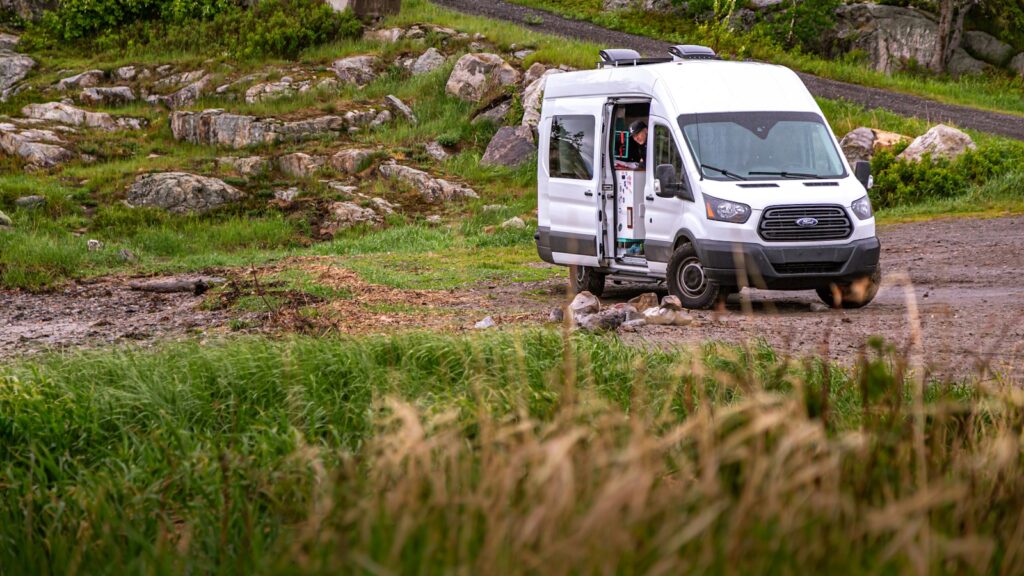
Once again you must treat fire prevention as part of daily RV life: keep exits clear, store fuels outside, inspect propane lines and appliances frequently, install and test smoke and carbon monoxide detectors, maintain a clear evacuation plan with practiced routes, and schedule professional inspections for your gas and electrical systems so you reduce fire risk and protect your passengers and possessions.
Fire Extinguishers and Detectors
Any RV should have at least one easily accessible multi-class (ABC) fire extinguisher mounted near your kitchen and one in the living area; check pressure gauges monthly, replace expired units, and keep backup batteries for detectors. Install smoke and CO alarms on the ceiling, test them monthly, and learn the PASS technique so you can act quickly if a small fire starts.
Safe Practices for Cooking
Practices like using a stable surface, keeping a tight-fitting lid nearby, and running ventilation whenever you cook help you reduce fire risk; never leave burners unattended, secure pots and pans to prevent spills, keep flammable items away from heat, and turn propane off at the tank when you finish so you minimize accidental ignition.
To deepen your cooking safety, check propane fittings and hoses for leaks before every trip, use a gas detector, prefer electric or induction cooktops when possible, keep a metal tray or lid to smother flare-ups, use timers so you don’t forget pots on the stove, avoid cooking while drowsy, and train everyone in your RV on shutting off gas and operating the extinguisher so you respond confidently under stress.
Maintaining RV Insurance
Now you should keep your policy active, verify coverage limits, add roadside assistance and personal belongings endorsements as needed, and maintain required liability to protect your assets and legal standing while living on the road. Update your provider on permanent changes to your vehicle or address, pay premiums on time, and document mileage and storage to avoid coverage gaps.
Understanding Coverage Options
Behind you should review collision, comprehensive, liability, uninsured motorist, and personal property coverage to match your lifestyle; consider full-timer endorsements that cover hookups, detached structures, and contents. Compare deductibles and limits, ask about exclusions for modifications, and get quotes from multiple insurers to ensure your policy aligns with how you use and store your RV.
Importance of Regular Policy Review
Policy you should review your policy annually or after major changes-vehicle upgrades, residency shifts, or added equipment-to confirm coverage still meets your needs; update limits, endorsements, and beneficiaries, and check for new discounts that lower costs while preserving protection for you and your belongings.
At each review, you should inventory valuables with photos and receipts, verify how storage location and mileage affect premiums, and confirm emergency service and medical payments are included; contact insurers about winterization, custom work, or using your RV as a primary residence, and shop carriers if rates rise or coverage gaps appear to ensure continuous, adequate protection.
Conclusion
With these considerations you can minimize risks while living in an RV: maintain and inspect your systems regularly, install smoke and carbon monoxide detectors and a propane leak alarm, secure doors and windows and park in well-lit, legal locations, keep an emergency kit and evacuation plan, stay aware of weather and local laws, and carry adequate insurance so you’re prepared for most situations.