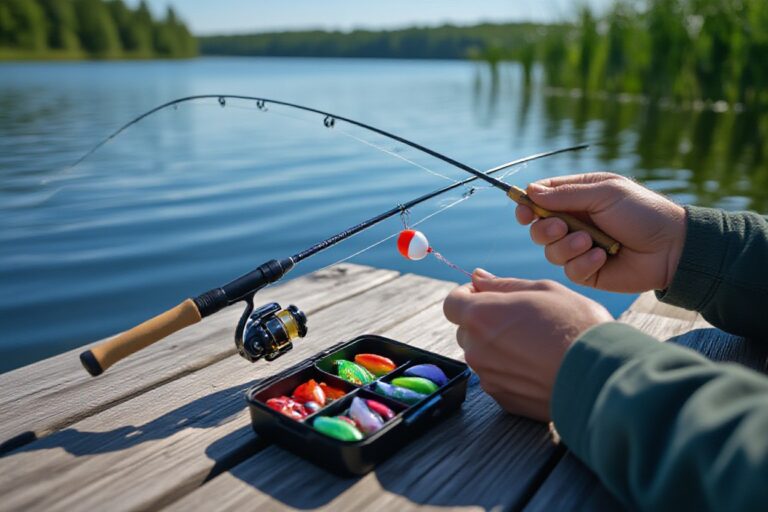
Understanding Fishing Regulations in the USA
Over time, federal, state, and local fishing regulations have evolved to guide how you harvest fish, protect habitat, and sustain populations; this guide explains permit requirements, size and bag limits, seasons, gear restrictions, and enforcement so you can meet your responsibilities, comply with laws, avoid penalties, and support conservation.
Overview of Fishing Regulations
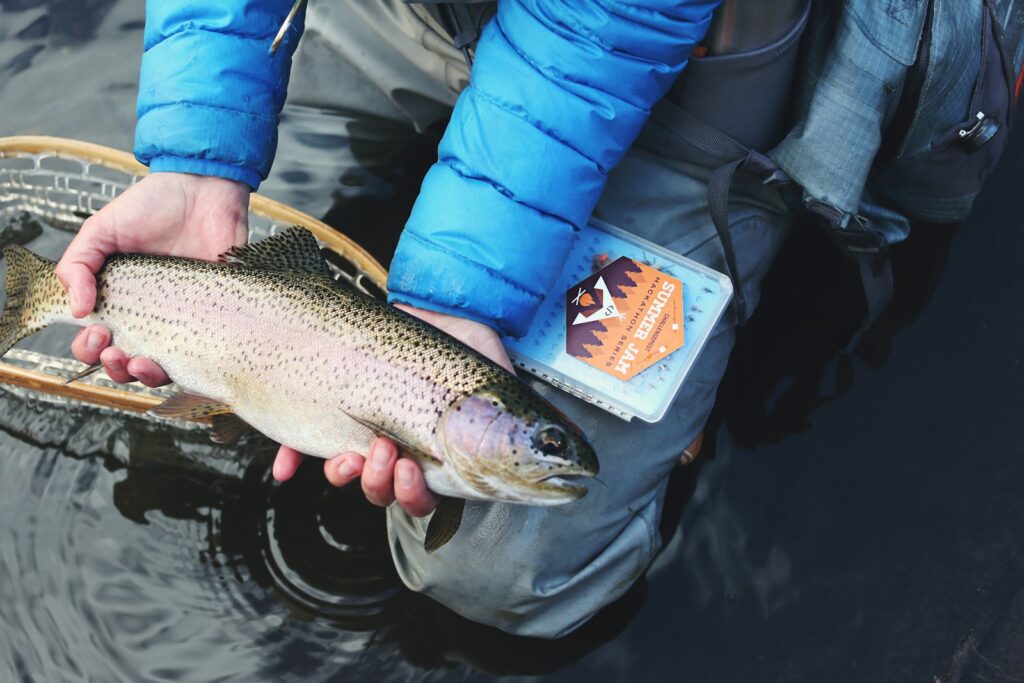
A clear framework of federal and state rules governs who, when, and how you fish, covering licensing, catch limits, gear restrictions, seasons, and protected species; understanding these layers helps you plan trips, avoid penalties, and support sustainable fisheries.
Federal Fishing Laws
The Magnuson-Stevens Act and other federal statutes set nationwide standards for managing marine stocks, habitat protection, and interstate enforcement, so you must follow federal seasons, reporting, and vessel requirements when fishing in federal waters or transporting regulated species.
State-Specific Regulations
Between coastal, inland, and tribal jurisdictions, state agencies tailor licensing, bag limits, and gear rules to local ecosystems, so you need to check the specific regulations for the waterbody and season where you fish.
This variability means you should consult state fish and wildlife websites, local enforcement offices, or mobile apps before each trip to confirm permit types, area closures, size limits, and tagging requirements that apply to you and your gear.
Licensing and Permits
If you plan to fish, you must obtain the appropriate state or federal licenses and permits, which vary by residency, species, water type, and gear; you must carry your permit and follow season, bag, and reporting rules to avoid penalties.
Types of Fishing Licenses
Licensing categories differ by state and activity, so you choose the license that matches your residency, duration, and target species. Common categories include:
- Resident license
- Nonresident license
- Short-term/temporary permits
- Commercial or charter permits
This affects fees, allowable waters, and reporting or tag requirements.
| Resident license | Lower fees and broader access for state residents |
| Nonresident license | Higher fees; often limited durations or endorsements |
| Short-term/Temporary | Day or weekly permits for visitors |
| Saltwater vs. Freshwater | Different endorsements and species rules |
| Commercial/Charter | Required to sell catch or operate guided services |
How to Obtain a Fishing Permit
Beside state wildlife agency websites, you can obtain permits through licensed vendors, agency offices, or official apps and kiosks; have photo ID, residency proof if required, and payment method ready when you apply.
Considering online systems and vendor locations, you should verify species endorsements, mandatory seals or tags, harvest reporting steps, and any required brief certifications or vessel registrations before you fish.
Fishing Seasons and Limits
The timing and size restrictions you face vary by state and species, set to protect spawning runs and sustain populations; you must consult local agencies for open dates, closed periods, and possession limits to avoid fines and support long-term fishery health.
Seasonal Restrictions
For many species you will find closed seasons during spawning and habitat sensitivity, and special rules for migratory or endangered species; check state and federal schedules so your trips align with legal open periods and habitat protection measures.
Daily Bag Limits
After harvest, you must count and report species-specific daily bag and size limits that cap how many fish you may keep in a day, including slot limits and minimum sizes designed to protect juveniles and breeders while allowing sustainable take.
Consequently, you should always verify current daily limits, carry licenses and documentation, use accurate measuring devices, and avoid keeping fish outside permitted sizes or quantities to prevent penalties and help maintain healthy stocks for future fishing.
Protected Species and Conservation
Once again you must comply with federal and state protections that limit when, where, and how you fish; these laws protect habitat, seasonal closures, and gear restrictions, and violations can carry heavy fines and permit loss-consult local agencies to ensure your activities support recovery and legal compliance.
Endangered Species Regulations
Behind federal listings are prohibitions that require you to avoid take, harassment, or habitat harm to listed species; when you fish, check maps, seasonal closures, and permit rules, and report sightings to authorities to help protect recovery efforts.
Conservation Efforts
On the water and shorelines you can follow best-practice catch-and-release, choose low-impact gear, support habitat restoration projects, and log observations for agencies; your consistent actions maintain healthy populations and sustainable fishing opportunities.
At local and national levels, funding, protected areas, and species recovery plans are enforced; you should review regulations, obtain required permits, and collaborate with conservation groups to ensure your fishing aligns with management objectives.
Enforcement and Penalties
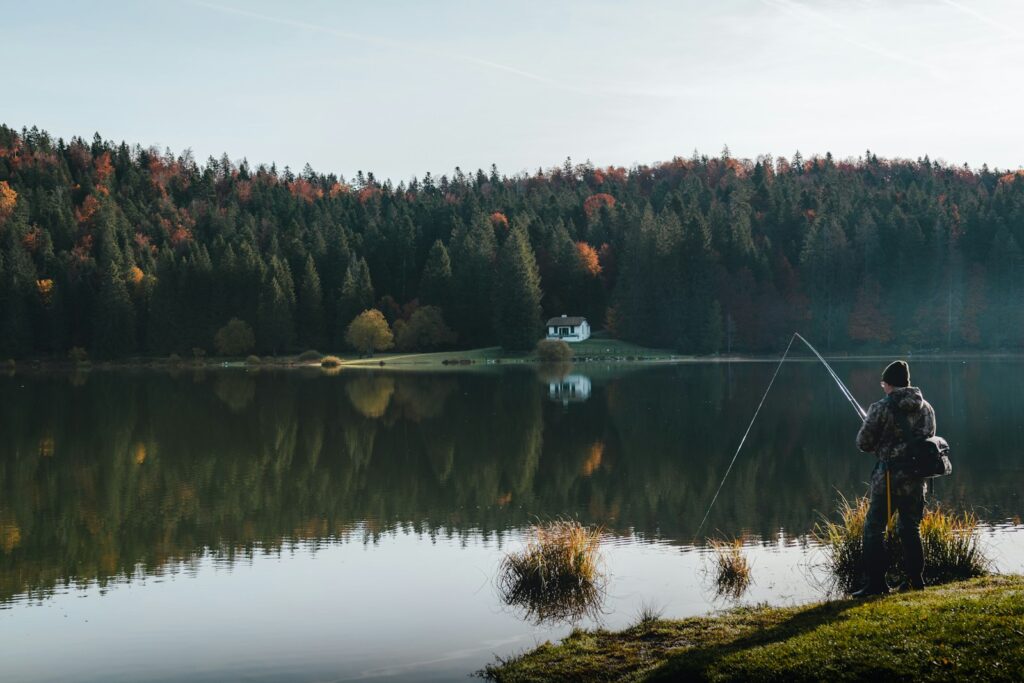
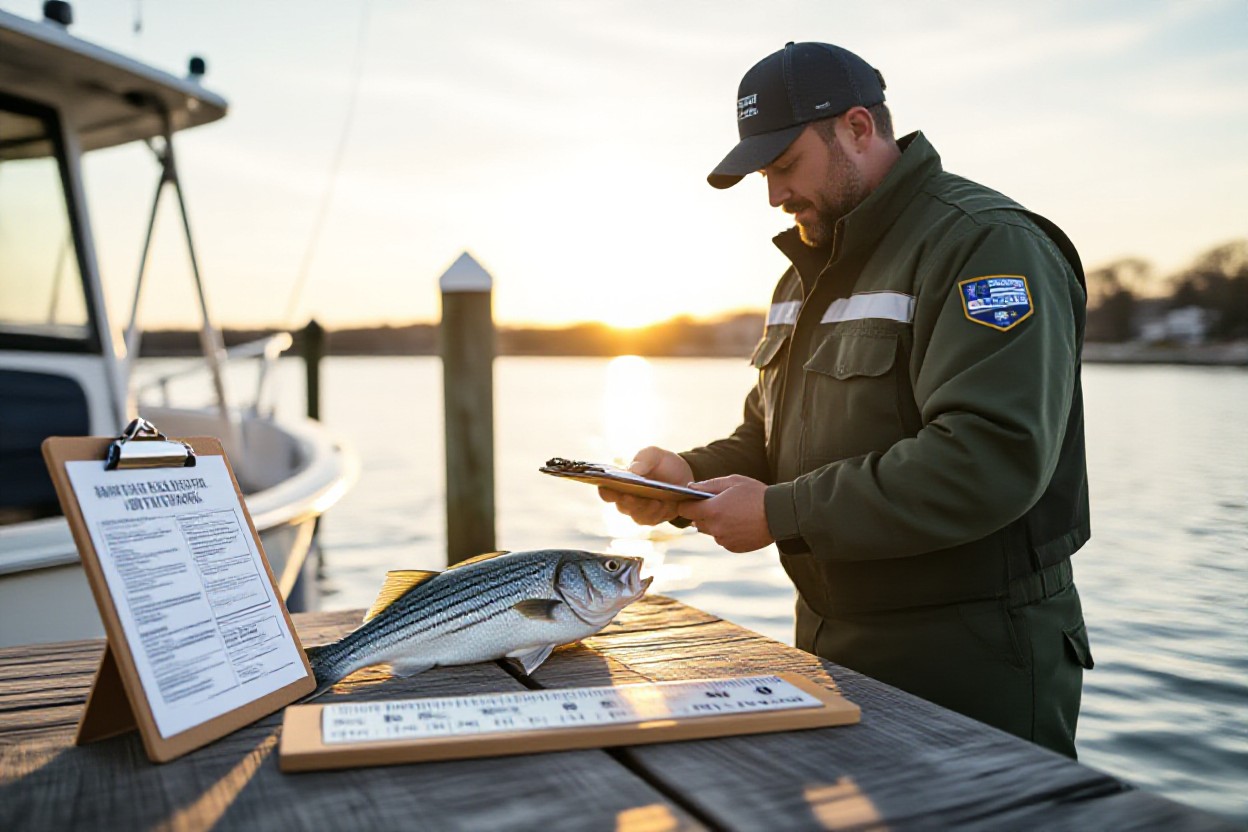
Unlike what you might expect, enforcement of fishing laws is active and consistent: state and federal agencies patrol waters, check licenses and catches, and impose fines, license suspensions, or gear seizure when you break rules. You must carry required permits, follow size and bag limits, and report violations to protect stocks and avoid penalties.
Role of Wildlife Officers
Around lakes, rivers, and coastal areas, wildlife officers patrol to ensure you comply with seasons, size and bag limits, and gear restrictions; they inspect your catch, verify permits, educate anglers, and have authority to issue citations, seize illegal gear, or make arrests for serious offenses.
Consequences of Violating Regulations
Along with monetary fines, violations can result in your license revocation or suspension, confiscation of gear or catch, court appearances, and in severe or repeated cases criminal charges with larger fines or jail time, which can restrict your future access to fishing areas.
A violation may also require you to pay restitution, attend mandatory angling education, face increased monitoring, and incur escalated penalties for repeat offenses; consequences vary by state and federal law, so if cited you can seek legal advice or contest the citation in court.
Resources and Tools
Now you can access a range of federal and state resources, mobile apps, and printed guides to check seasons, limits, license requirements, and area closures; use official sites and verified tools to plan trips, stay compliant, and protect fisheries.
Online Platforms for Information
Above you’ll find state department websites, NOAA pages, Fish and Wildlife Service, and reputable fishing apps that provide up-to-date regs, interactive maps, and reporting tools so you can verify rules before you fish.
Local Fishing Communities and Organizations
Above you can join local clubs, tackle shops, and online forums where anglers share seasonal insights, conservation efforts, and enforcement trends; engaging helps you interpret complex rules for specific waters.
A good way to deepen knowledge is to attend meetings, volunteer on habitat projects, and ask experienced anglers about common violations and best practices; these contacts help you adapt regulations to local conditions and avoid penalties.
Conclusion
So you must stay informed about federal, state, and local fishing regulations-seasons, size and bag limits, gear restrictions, and permit requirements-and check updates from wildlife agencies so your activity stays compliant; following rules protects fish populations, avoids fines, and ensures sustainable angling for years to come.