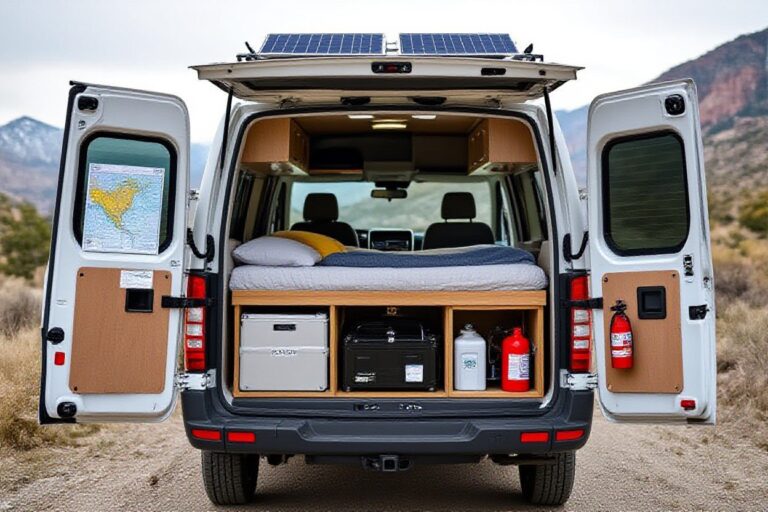
What RV Living Is Like for Beginners?

With RV living you trade static space for mobility, and you’ll quickly learn to manage limited storage, water and power systems, and variable campsites while enjoying greater freedom; you’ll plan routes, adapt routines to smaller quarters, maintain vehicle and systems, and develop practical skills for boondocking and campground etiquette so your transition is efficient and sustainable.
Understanding RV Types
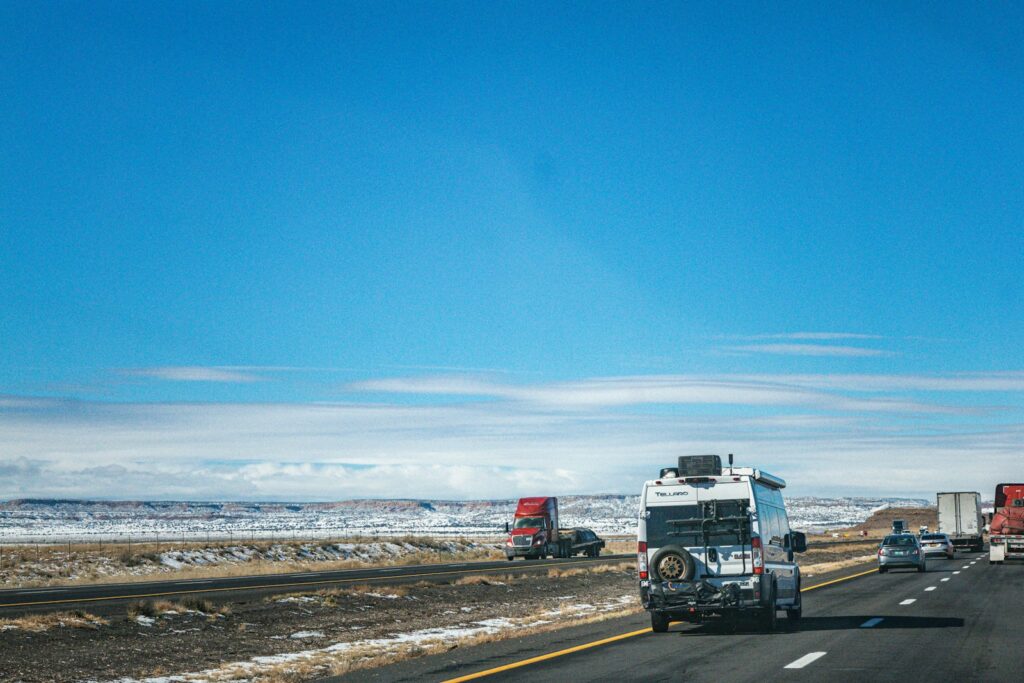
The types of RVs shape your travel, space, and budget; below are key groups and quick comparisons.
- Motorhomes
- Towable trailers
- Vans
| Class A | Large; luxury |
| Class B | Compact; efficient |
| Class C | Mid-size; versatile |
| Travel Trailer | Towable; flexible |
| Fifth Wheel | Spacious; stable |
Thou should match your choice to your driving skill and lifestyle.
Motorhomes
Motorhomes combine driving and living space so you can move and camp without towing; you should evaluate size, fuel economy, and onboard systems to ensure your comfort and maneuverability.
Towable Trailers
An option is a towable trailer that lets you unhitch your living area and use your vehicle independently, giving you flexibility while you consider tow capacity and campsite access.
Consequently you will need to master hitching, weight distribution, and towing limits so your setup remains safe and aligned with your travel plans.
Essential RV Equipment
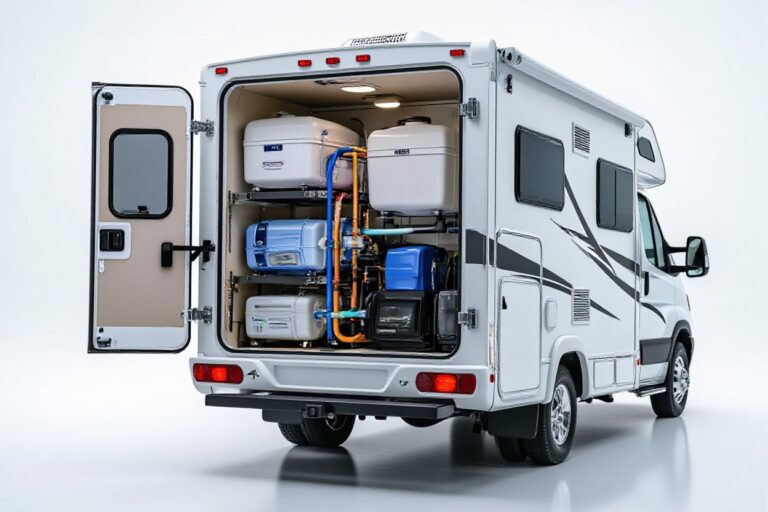
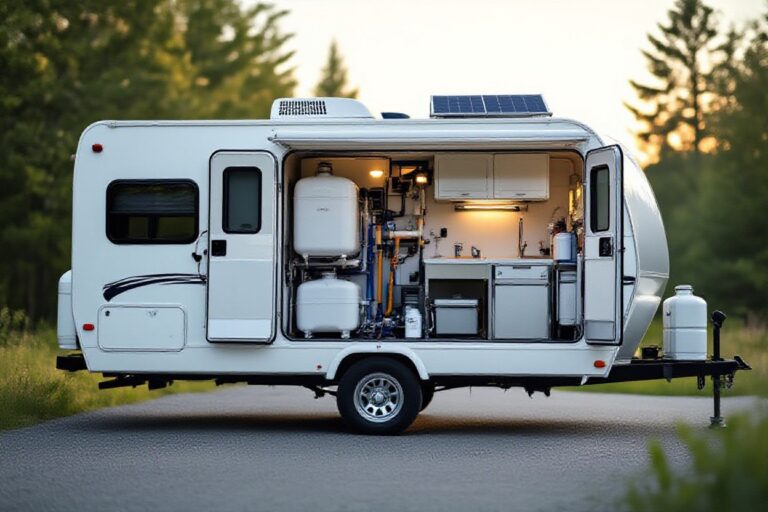
Some basic equipment-reliable propane and electrical hookups, working water and waste systems, a solid battery and charger, leveling blocks, wheel chocks, and safety devices like a fire extinguisher and CO detector-keeps your RV functional and safe so you can focus on travel and comfort.
Interior Necessities
Below your living space vitals are comfortable bedding, space-saving cookware, stackable storage solutions, a compact tool kit for minor repairs, a well-stocked first-aid kit, and adjustable lighting and ventilation to ensure you stay organized and comfortable on the road.
External Gear
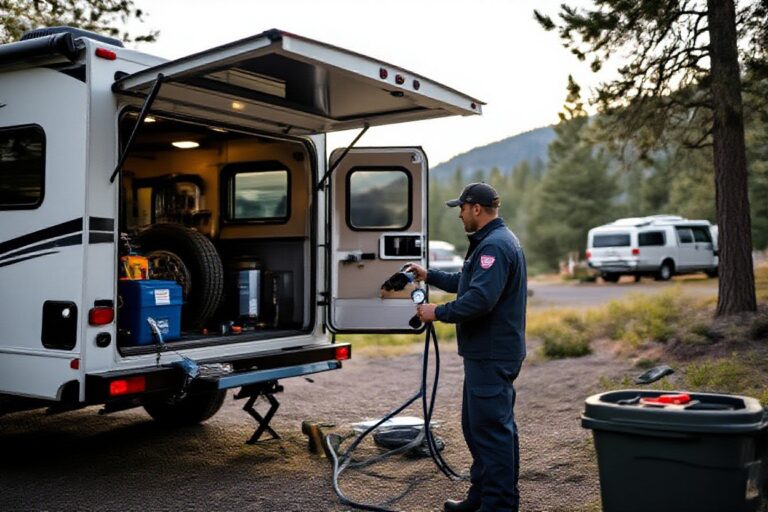
One set of external gear to prioritize includes durable leveling blocks, heavy-duty water and sewer hoses, a reliable surge protector and adapters, an awning mat, exterior lighting, and a portable power source to simplify setup and protect your systems.
With proper external gear you speed up campsite setup, protect connections from wear, and increase usable outdoor living space; invest in quality hoses and connectors, a weather-resistant awning, a robust power surge protector, and reliable outdoor lighting to improve safety and convenience.
Planning Your RV Route
You should map realistic daily distances that match your driving comfort and daylight hours, factor in fuel, parking, and dump stops, and schedule buffer time for delays or sightseeing; prioritize campgrounds with the services you need, book popular spots in advance, and prepare alternate routes so your trip stays flexible if roads or weather force changes.
Researching Destinations
Destinations with RV-friendly amenities, accessible hookups, and nearby supplies will make your trip smoother; check reviews for space sizes, pull-through availability, and quiet hours, verify seasonal access and reservation windows, and align attractions with your travel pace so your itinerary balances driving days and rest days.
Navigating Road Conditions
Among the factors you must check are bridge heights, narrow or winding mountain roads, steep grades, and local restrictions on RVs or trailers; use RV-specific routing apps, consult state DOT sites for closures, and plan for safe turnarounds to avoid getting stuck on unsuitable roads.
Further, monitor real-time weather and traffic, know truck and RV routes that avoid low clearances, reduce speed for tight stretches, inspect tires and brakes before long drives, and carry imperatives like chains or emergency supplies so you can respond confidently to changing conditions.
RV Living and Lifestyle
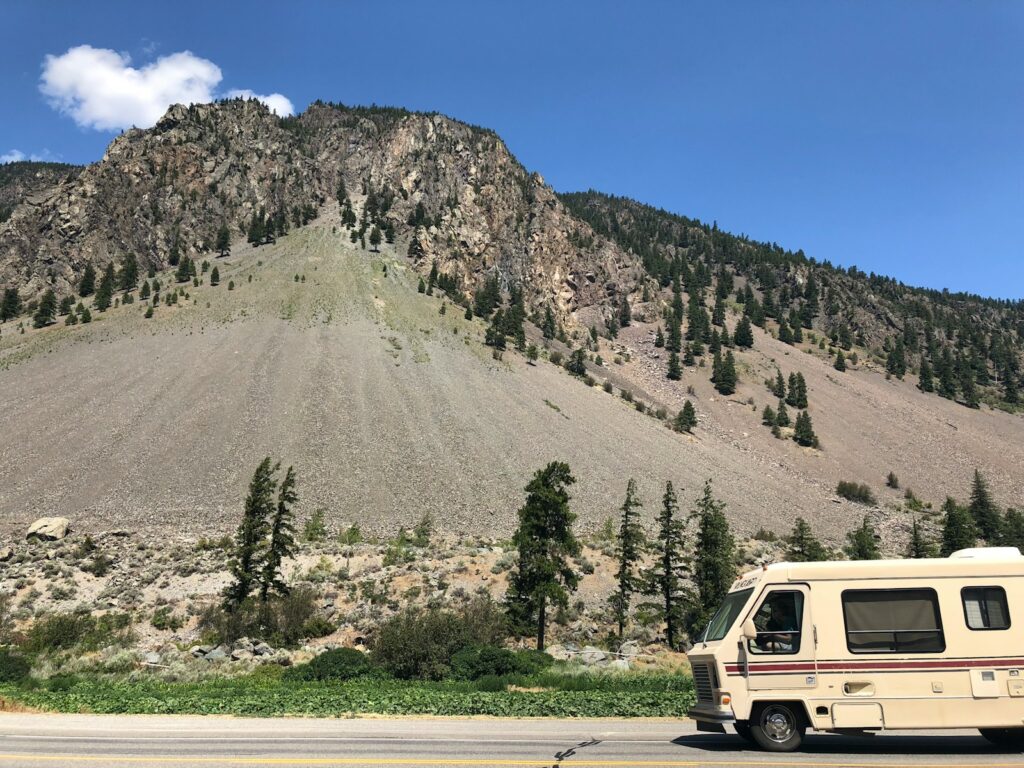
For you, RV living reshapes daily priorities: space efficiency, routine adjustments, and a focus on mobility over accumulation. You’ll trade a large home for adaptable systems-kitchen, storage, and utilities designed to maximize every inch-while balancing travel goals with maintenance, budget planning, and choosing locations that support your preferred pace and comfort.
Daily Routines
Daily life centers on efficient tasks: water and power checks, compact meal prep, and quick tidying to keep systems running and space livable. You’ll prioritize necessary chores, plan showers and laundry around hookups, and build routines that match travel days, work needs, and downtime so your lifestyle stays sustainable and enjoyable.
Community and Socializing
Along the way you’ll find tight-knit RV communities at campgrounds, clubs, and online forums where neighbors share tips, tools, and social events; you can join group outings, skill swaps, and local meetups that enrich travel and solve practical problems quickly.
To deepen connections, you should attend potlucks, volunteer at park activities, and use apps to coordinate meetups; trade maintenance advice, local recommendations, and emergency contacts. You’ll balance social time with privacy by setting clear expectations, being courteous with generators and pets, and choosing gatherings that match your energy and interests.
Budgeting for RV Living
Despite common myths, you can make RV living work within a realistic budget by planning for fixed and flexible costs, building an emergency fund, and tracking spending so your lifestyle matches your income and travel goals.
Initial Costs
By totaling the RV purchase price, taxes, registration, inspection, outfitting, and any tow-vehicle upgrades you get a clear upfront cost; include tools, safety gear, initial groceries, and basic campsite supplies so your first months aren’t a surprise.
Ongoing Expenses
An ongoing budget should list fuel, campground fees, insurance, routine maintenance, propane, communications, and groceries so you can track monthly averages and save toward predictable replacements like tires and appliances.
Budgeting for ongoing expenses means you create sinking funds for maintenance and unexpected repairs, adjust for seasonal travel costs, use boondocking to lower site fees when possible, track spending with apps, and allocate part of your income to health care, inspections, and taxes.
Maintenance and Troubleshooting
After you move into RV living, maintenance and troubleshooting become part of your routine; you’ll schedule inspections, track fluid and filter changes, monitor seals and tires, and learn to diagnose minor faults so you can keep systems reliable and avoid costly roadside failures.
Regular Upkeep
To keep your RV in top shape, you should routinely check tire pressure and tread, battery state and connections, roof and window seals, propane and gas lines, appliances, and plumbing, plus perform seasonal tasks like winterizing and HVAC filter changes to maintain safety and efficiency.
Common Issues
Among the frequent problems you’ll face are battery drain, blown fuses, water leaks, clogged vents, propane ignition failures, water pump issues, and tire wear; spotting symptoms early helps you isolate causes and apply simple fixes before they escalate.
Issues you can often fix yourself include replacing fuses, tightening hose clamps, cleaning filters, and testing batteries; for fuel, electrical, or structural concerns beyond basic diagnostics, you should consult certified RV technicians to ensure safety and proper repairs.
Final Words
Conclusively, starting RV life asks that you plan your routes, master basic maintenance, and adapt to limited space and resources; you gain freedom, lower living costs, and hands-on problem-solving skills. You should practice driving, prioritize safety, and build a community for tips and support. With realistic expectations and gradual learning, your transition to RV living becomes manageable, rewarding, and sustainable.