What to Know Before Starting Van Life?
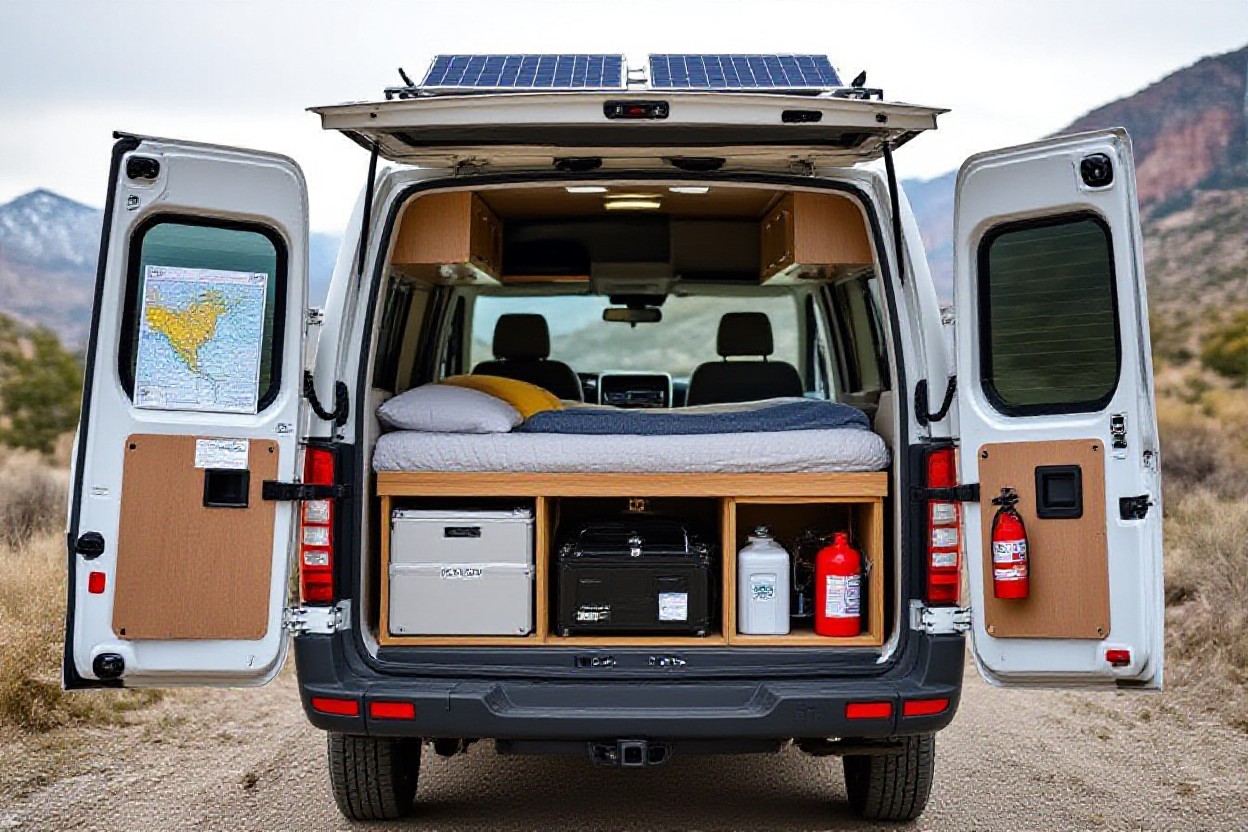
Overview: Before you convert a van or hit the road, assess your budget, vehicle choice, mechanical skills, legalities, insurance, and safety plan, and test how your daily routine adapts to small-space living; plan water, power, and waste systems, build emergency contingencies, and practice boondocking to confirm your expectations and comfort with mobility and solitude.
Understanding Van Life

A van lifestyle shifts how you live, work, and travel-you trade a fixed home for mobility, pared-down possessions, and hands-on maintenance; you plan routes, manage utilities, and adapt to parking rules and weather while enjoying flexibility and closer contact with nature.
What is Van Life?
For you, van life means converting a vehicle into a compact home where sleeping, cooking, and working happen in tight quarters; you balance minimalist design, self-sufficiency, and mobility while tailoring systems-power, water, storage-to your travel goals and comfort needs.
Benefits of Living in a Van
Between increased freedom to chase seasons and lower housing costs, you gain flexibility, deeper experiences, and the ability to change scenery quickly; you also develop practical skills and a simpler routine that prioritizes experiences over possessions.
With the right setup-solar panels, efficient insulation, and modular storage-you reduce monthly expenses and environmental impact, enable remote work, and customize your van for comfort and safety; you can tap into van communities for advice and shared resources to improve life on the road.
Choosing the Right Van
There’s a balance between size, budget, maintenance, and conversion flexibility; you should choose a van that aligns with how you travel, where you park, and how much DIY work you’ll do.
Types of Vans for Van Life
Life in a van depends on the platform you pick and how you plan to use it.
| Campervan | Built-in amenities |
| Cargo van | Custom conversion space |
| High-roof | Stand-up interior |
| Sprinter | Long-range, efficient |
| DIY conversion | Lower cost, flexible |
- Small vans: easy parking and maneuvering
- Large vans: more living and storage space
- Engine type: fuel vs diesel trade-offs
This helps you match van type to your travel style, parking needs, and budget.
Factors to Consider When Choosing
Life when choosing should focus on insulation, power systems, heating, and serviceability so you can stay comfortable and mobile.
- Budget: purchase plus conversion and ongoing costs
- Power: battery, inverter, and solar sizing
- Maintenance: parts availability and mechanic access
This ensures you prioritize features that keep your daily life practical and reliable.
Further evaluate typical climates, trip length, and how often you stay stationary versus moving so your systems match real usage.
- Insulation and ventilation for seasonal comfort
- Water capacity and pump setup for your needs
- Storage layout for gear and daily living
This deeper planning reduces retrofits and keeps you on the road longer.
Budgeting for Van Life
If you want financial control on the road, create a realistic budget covering conversion, vehicle purchase, insurance, permits and a 3-6 month emergency fund, then set a monthly spending target so you can travel sustainably without unexpected debt.
Initial Costs
Around your upfront expenses include the van purchase, conversion materials or labor, safety upgrades, registration and inspections, plus a buffer for first-season repairs; plan priorities so you spend on reliability and vital comforts first.
Ongoing Expenses
Before you commit full-time, list recurring costs like fuel, insurance, maintenance, campsite or parking fees, groceries, connectivity and subscriptions, then calculate a conservative monthly baseline that matches your travel style and distance.
Considering fuel price swings and maintenance variability, you should track miles and MPG, set aside a sinking fund for tires and appliances, factor seasonal campsite rate changes, and use simple spreadsheets or apps to monitor spending and adjust routes to stay within your budget.
Essential Van Modifications
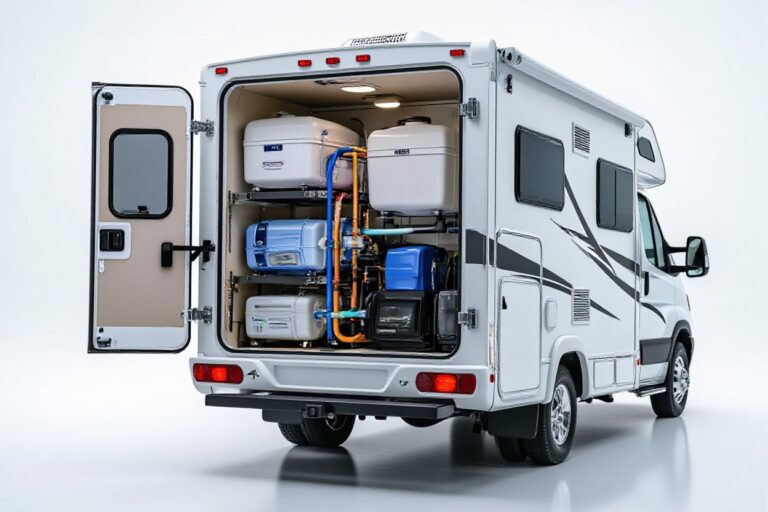
Once again you must focus on insulation, ventilation, electrical and plumbing systems, secure mounts for appliances, and safe weight distribution; plan insulation values, a quality vent fan, a reliable battery/charging setup, and professional gas/electric installs so your van performs reliably and safely on longer trips.
Creating a Functional Living Space
Between sleeping, cooking, and working needs, design a flexible layout that prioritizes multi-use furniture, clear walkways, natural light, and easy cleaning; you should mock up bed and kitchen positions, optimize ergonomics, and ensure systems are accessible for maintenance.
Storage Solutions
Beside bulk storage, install accessible drawers, overhead cabinets, and modular bins to keep items secure and organized while you drive; you should label zones, use tie-downs for heavy gear, and reserve easy-access space for tools and first aid.
In addition, consider vertical shelving, under-bed compartments, and slide-out trays to maximize cubic space; you should balance weight front-to-back, choose lightweight materials, and plan storage for seasonal gear so access and safety remain consistent.
Planning Your Travels
All your routes should balance distance, rest, and experiences; plan flexible legs, factor weather and seasonal access, secure required permits and campsites ahead, and map water, fuel, and repair stops. Prioritize realistic daily mileage, backup routes, and time for maintenance so your travel rhythm supports comfort and discovery.
Choosing Destinations
Along your route choose destinations that match your interests and rig capability; weigh remote wilderness against towns with services, check road conditions and legal overnight options, plan for permits and peak-season limits, and include buffer days for weather or repairs so you can enjoy places without overextending your resources.
Navigating and Staying Safe
Staying vigilant with navigation and safety systems prevents avoidable trouble: use updated offline maps and a reliable GPS, carry paper maps and a compass, keep emergency contacts and a charged power bank, maintain your van mechanically, and practice secure campsite selection and lighting so you reduce risk while traveling alone or in remote areas.
In addition, you should train in basic first aid and vehicle recovery, stock a well-organized emergency kit with tools, spare parts, and signaling devices, monitor cell coverage and carry satellite options for remote sections, obey local road laws, and share your intended route with a trusted contact so help can reach you quickly.
Embracing the Van Life Community
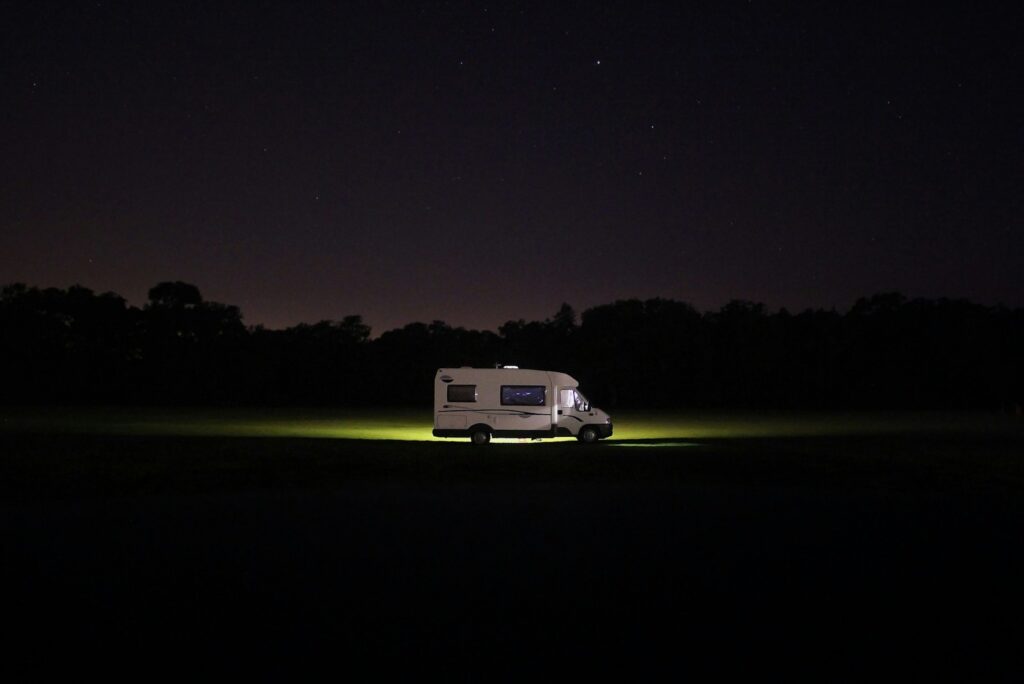
Despite the stereotypes, you’ll find van life is built on mutual aid, shared knowledge, and practical camaraderie; engaging with meetups, online groups, and local gatherings accelerates your learning, helps with troubleshooting, and opens opportunities for trusted places to park, trade tools, or split costs while preserving your independence and privacy.
Connecting with Other Van Lifers
For quick, practical support you should attend local meetups, join active online forums, and exchange contact info with nearby van lifers; these relationships offer route tips, safety checks, repair help, and social balance when you want company or solitude.
Resources and Support
Between curated guides, YouTube tutorials, and community-shared checklists, you can build a dependable knowledge base for maintenance, legalities, and budgeting; combine professional services with peer advice to validate information and tailor solutions to your van and your lifestyle.
Even when you feel self-sufficient, you should catalog apps for stealth parking and campground finds, trusted mechanics, parts suppliers, insurance brokers, and legal resources; maintain backups of how-to PDFs, wiring diagrams, and fuel/maintenance logs, and participate in skill swaps or workshops so you can handle emergencies and keep costs down while validating advice from experienced van lifers.
Summing up
Ultimately you should assess your budget, van layout, and mechanical skills, prioritize safety and insulation, plan power, water, and waste systems, test living ergonomics and storage, understand legal parking and insurance rules, build a flexible routine for work and chores, and accept that minimalism and maintenance shape your daily comfort on the road.