
How to Maintain a Backyard Garden Year Round?

Most successful year-round gardens rely on planning, soil care, and seasonal adjustments you apply consistently; by improving your soil, choosing hardy and staggered plantings, using mulch and covers, and scheduling watering and pruning to the season, you can keep your backyard productive and low-maintenance while preventing common pests and weather stress.
Understanding Your Climate

For successful year‑round gardening you must learn your climate’s patterns: average temperatures, frost dates, rainfall, and microclimates created by shade, walls, or slope. Use local weather records and soil tests to choose plants, set planting schedules, and plan season‑extension tactics like cold frames or shade cloth so your garden thrives in each season.
Identifying Your Growing Zone
About half the battle is knowing your growing zone (USDA or regional equivalents) and how it maps to your specific site. Check online maps or your extension service, note first/last frost dates and heat‑zone considerations, and adjust plant choices and timing to the warmer, cooler, or sheltered spots that you can create in your yard.
Seasonal Variations in Weather
Understanding seasonal variations means tracking how temperature, daylight, and rainfall shift across the year and change plant development stages. Plan for winter dormancy, spring growth spurts, summer heat stress, and autumn ripening by scheduling sowing, pruning, irrigation, and mulching to protect roots and extend productive periods.
Further, keep a garden journal with planting dates, yields, pest outbreaks and weather anomalies so you can fine‑tune timing year to year; use frost cloths, row covers, shade structures, or raised beds to moderate extremes; and consult local growers to learn strategies that work for your neighborhood microclimate.
Soil Preparation and Maintenance
While preparing your garden soil, you should focus on structure, drainage and organic matter: break up compacted areas, add compost to boost microbial life, and use raised beds or ridges where drainage is poor; mulch to conserve moisture, rotate planting locations seasonally, and monitor pH and nutrient levels to match your crops’ needs.
Testing Soil Quality
Between plantings you should test soil pH, texture and nutrient levels using a home kit or lab analysis, then use the results to adjust lime or sulfur for pH and to target fertilizer or amendment applications so your plants get balanced nutrition without excess buildup.
Amendments and Fertilizers
Soil amendments such as compost and aged manure improve structure, water retention and microbial activity, while fertilizers supply specific N‑P‑K needs; you should choose types and rates based on test results, apply at recommended timings, and avoid overapplication that stresses plants or causes runoff.
Even organic materials vary: compost provides slow, broad benefits, green manures add nitrogen and organic matter, and mineral supplements address acute deficiencies-you should incorporate bulk amendments before planting and use light topdressing or targeted feeds during active growth stages.
Selecting the Right Plants
Even with limited space you should choose a balanced mix of annuals, biennials and perennials suited to your hardiness zone and microclimates; select disease-resistant, drought-tolerant varieties and stagger planting dates so your garden delivers continuous blooms and harvests while combining ornamental and edible species to maximize year-round interest.
Year-Round Vegetables and Herbs
Among dependable year-round choices are kale, chard, spinach, parsley and thyme; you can extend their productivity with cold frames, cloches or an unheated greenhouse. Use succession planting and containers to shift crops seasonally, and pick varieties labeled for winter or frost tolerance so your garden supplies fresh greens through colder months.
Choosing Hardy Perennials
About hardy perennials, prioritize species adapted to your zone and local soil-native plants often outperform exotics and demand less care. Assess root depth, drought tolerance and disease resistance, and mix evergreen with deciduous perennials to provide structural interest and seasonal succession in your garden.
In fact you should site perennials with correct spacing, mulch to protect roots over winter and prune at appropriate times to maintain vigor; divide overcrowded clumps in spring or fall, and pair perennials with short-lived annuals to fill gaps while slower species establish, ensuring continuous cover and lower maintenance.
Seasonal Care Techniques
Once again, you should align tasks with each season: prune and mulch in fall, plant cool-season crops in spring, thin and stake in summer, and protect beds in winter. You will monitor soil moisture, adjust feeding schedules, rotate crops, and plan succession plantings so your garden remains productive and resilient year-round.
Winterization Strategies
To shield your garden, you should insulate soil with deep mulch, cover sensitive plants with frost cloth or cloches, and drain or winterize irrigation lines. You can prune deadwood, move containers to sheltered areas, and sow cover crops to prevent erosion and replenish nutrients, setting the stage for a strong spring growth.
Summer Maintenance Practices
Practices you should adopt include deep, infrequent watering in the morning, mulching to conserve moisture, timely weeding to reduce competition, and shading young plants during heat waves. You will monitor for pests and diseases more frequently and adjust fertilization to support active growth without overfeeding.
Techniques such as drip irrigation, targeted compost tea applications, and setting up shade cloth can dramatically improve heat tolerance; you should also prune for airflow, harvest regularly to encourage production, and stagger plantings to maintain continual yields through the season.
Pest and Disease Management

Not all pests and pathogens cause irreversible damage; timely monitoring and targeted actions let you keep your backyard garden productive year-round. Scout regularly, use physical barriers, encourage predators, and remove affected foliage promptly. Maintain clean beds, rotate crops, and support plant vigor with appropriate watering and feeding to reduce stress and susceptibility.
Organic Pest Control Methods
By favoring beneficial insects, using neem oil, insecticidal soaps, and diatomaceous earth, you control many pests without synthetic chemicals. Plant trap crops and companion species, apply treatments in the evening, and handpick larger pests. Combine methods and monitor effects to protect pollinators and soil life while keeping infestations low.
Recognizing and Treating Diseases
By inspecting leaves, stems, and roots regularly you spot early signs such as spots, wilting, or mold. Isolate infected plants, prune diseased tissue with sterilized tools, and improve airflow and drainage to limit spread. Use targeted organic fungicides only when necessary and track results to refine your approach.
The key is rapid diagnosis: you compare symptoms to disease guides, test soil pH and drainage, and assess environmental stresses that mimic infections. For systemic infections remove affected plants and sanitize tools; for soil-borne pathogens rotate with non-hosts, solarize, or amend soil to suppress pathogens. Log incidents so you identify patterns and reduce recurrence.
Utilizing Garden Structures
Despite garden structures being viewed as merely decorative, they let you shape microclimates, extend growing seasons, and protect plants; trellises, pergolas, windbreaks and shade screens increase usable space, improve airflow, and reduce pest pressure when placed to maximize sunlight and paired with well-planned irrigation.
Greenhouses and Cold Frames
Behind greenhouses and cold frames you control temperature and humidity to start seedlings earlier, overwinter tender plants, and harden transplants; use ventilation, thermal mass, row covers, and low-energy heaters as needed, and orient structures to capture winter sun while ensuring drainage and access for routine maintenance.
Raised Beds and Containers
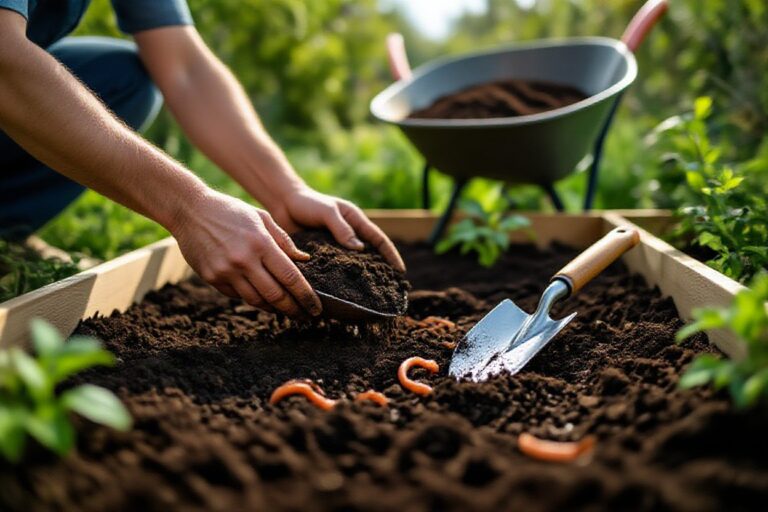
Utilizing raised beds and containers lets you manage soil texture, fertility and drainage precisely, minimize compaction, and concentrate watering; you can extend seasons with deeper soil, move containers for better light, and design beds at ergonomic heights to reduce back strain during planting and harvest.
Beds offer deeper root zones and warmer soil, so you should layer compost, well-rotted manure, and high-quality topsoil, practice crop rotation and succession planting, install drip irrigation or soaker hoses, insulate sides with straw or board covers for winter, and stagger plantings to keep harvests steady.
To wrap up
From above you can see that consistent planning, seasonal planting, soil enrichment, water-wise irrigation, pest monitoring, and timely pruning let you maintain a productive backyard garden year-round; you should rotate crops, layer plantings for continuous harvest, use cold frames or row covers for frost protection, and keep records to refine your schedule so your garden remains healthy, resilient, and rewarding through every season.



One Comment