What to Expect on Your First Camping Trip?
There’s a handful of predictable challenges and simple pleasures you should anticipate on your first camping trip; you will set up camp, learn basic gear operation, manage weather and bugs, cook outdoors, and adapt to quieter nights – with practical planning you can handle common mishaps, stay comfortable, and focus on enjoying nature while building your outdoor confidence.
Choosing the Right Campsite
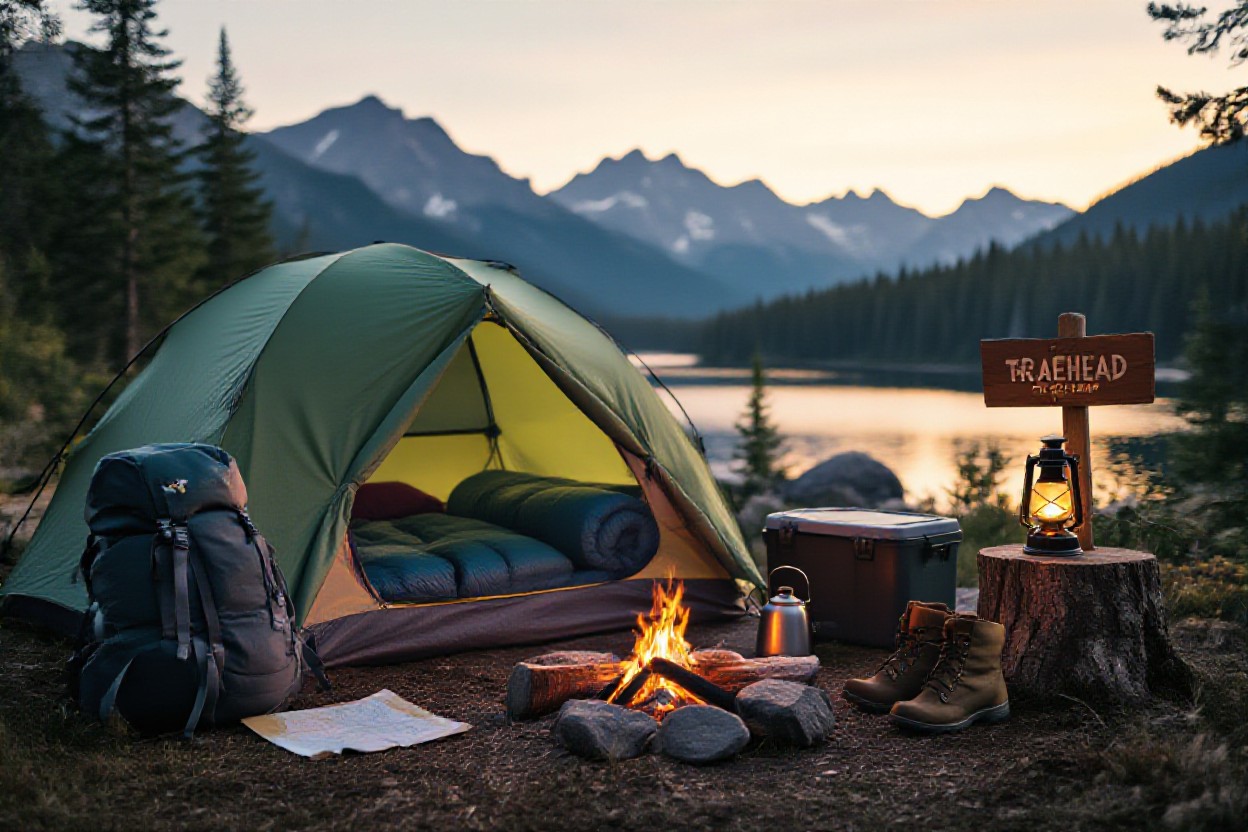
The campsite you choose sets the tone for your first trip: look for level ground, accessible water, and shelter from prevailing wind; check distance to parking, restrooms, and trails so your gear and stamina match the site’s demands; consider local rules and hazards so you can plan safely and confidently for an enjoyable experience.
Factors to Consider
Between distance to water, shade, privacy, flatness, and access to facilities, you should weigh which features matter most for your comfort and safety. This helps you prioritize sites that match your gear, fitness, and expectations.
- Water access – filters or distance
- Terrain – flat, drainage, ground cover
- Shelter – trees, wind exposure
- Facilities – toilets, picnic tables, fire rules
- Distance – to parking and trails
Campsite Types
Against picking a site type you haven’t prepared for, you should align your choice with the trip’s goals, gear, and experience level. Perceiving how each type affects logistics and comfort will guide your selection.
- Drive-up sites – easy access, heavier gear
- Walk-in sites – quieter, short hikes to site
- Backcountry sites – remote, require packing in
- Group sites – space for many people
- Caravan/RV sites – hookups and level pads
| Drive-up | Best for beginners and families |
| Walk-in | Good balance of quiet and access |
| Backcountry | For experienced, lightweight campers |
| Group | Ideal for larger gatherings |
| RV/Caravan | Requires vehicle amenities |
Types of campsites vary in access, amenities, and regulations, so you should match the site to your comfort level, time available, and the equipment you bring. Perceiving the trade-offs between convenience and solitude will let you choose a site that enhances your first camping experience.
- Assess amenities versus solitude
- Consider leave-no-trace requirements
- Factor in weather and season
- Plan for wildlife and food storage
- Check reservation and permit needs
| Tent Site | Simple, versatile option |
| RV Site | Power/water hookups available |
| Backcountry | Remote, minimalist setup |
| Group Site | Space for multiple tents |
| Boat-in | Accessible by water only |
Essential Camping Gear
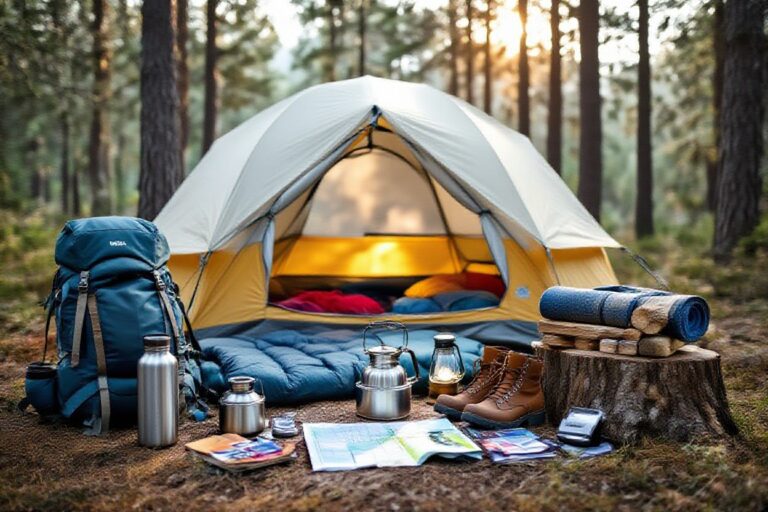
Even a short trip requires basic gear: a reliable tent, weather-appropriate sleeping bag and pad, headlamp with spare batteries, layered clothing, waterproof outerwear, a compact stove, cookware, navigation tools, water filter and purification, a small first-aid kit, and sturdy footwear. You should pack multi-use items to save weight and test gear at home before leaving.
Shelter and Sleeping Equipment
Shelter choice affects comfort and safety: choose a tent sized for occupants, practice pitching, bring a footprint or tarp, secure stakes, and carry a sleeping bag rated for expected temperatures plus an insulating pad. You should also pack a lightweight pillow or stuff sack for head support and extra blankets if nights may be cold.
Cooking and Food Supplies
Before you cook, plan meals that are simple, calorie-dense, and easy to prepare; pack a compact camp stove, appropriate fuel, a pot, pan, utensils, lighter and matches in waterproof containers. You should bring reusable plates and cutlery, a small scrubber, biodegradable soap, and food storage that protects from animals.
Hence, prioritize meals that require minimal cleanup and limited refrigeration: dehydrated meals, pre-cooked grains, cured meats, and nuts perform well. You should portion ingredients into meal kits, store perishables in coolers with ice packs or consider a bear canister where required, and plan for bear-safe cooking locations downwind and away from your sleeping area.
Planning Your Itinerary
Now plan a flexible itinerary that balances travel time, campsite setup, and relaxation; you should list arrival and departure times, meals, vital gear checks, and weather contingencies so you can adapt without stress while still hitting must-see spots and allowing downtime for spontaneous exploration.
Duration of Stay
Below decide whether a weekend or longer trip fits your energy, experience, and travel time; shorter stays let you test skills and gear, while extended trips reward you with deeper exploration and easier pacing.
Activities and Sightseeing
Duration shapes how many activities you can fit; prioritize a mix of short hikes, scenic stops, and rest periods so your group stays energized, and plan alternatives in case weather or companions affect your schedule.
Plus pack maps, a charged phone, binoculars, and a simple first-aid kit, and research permits or timed entries so you can maximize sights without surprises.
Safety Tips for First-Time Campers
Many first-time campers find that clear planning keeps your trip safe and enjoyable: pack imperatives, check forecasts, and tell someone your itinerary.
- Pack a headlamp, extra batteries, and a multi-tool for quick fixes
- Store food securely to avoid attracting wildlife and practice campfire safety
- Carry navigation tools, a whistle, and a charged phone or power bank
The easiest way for you to avoid problems is to stay alert, follow campground rules, and ask staff about local hazards.
Wilderness Survival Basics
Along the trail you should prioritize shelter, water, and signaling; practice building a simple shelter, learn basic water purification, and carry a whistle or mirror to attract attention. You should also learn to read terrain and use a map and compass so you can navigate if you lose the trail, and always tell someone your route before you go.
First Aid Essentials
Basics you should carry include adhesive bandages, sterile gauze, antiseptic wipes, blister care, pain relievers, tweezers, and any personal medications; organize these items in a compact kit and check supplies before each trip so you can treat common injuries quickly.
But training matters: you should learn how to stop bleeding, treat shock, perform CPR, and manage sprains or fractures; practice dressing wounds and splinting, and know when to seek professional evacuation so you can act decisively if an emergency arises.
Understanding Campsite Etiquette
Unlike urban settings, campsite etiquette expects you to minimize noise, pack out all trash, follow campground rules, and respect site boundaries; by acting considerately you preserve the experience for others and protect the natural setting.
Respecting Nature and Wildlife
At the campsite you should observe animals from a distance, keep food sealed and stored properly, avoid feeding wildlife, and stay on marked trails; your choices prevent habituation, reduce hazards, and help conserve the area for future visitors.
Interacting with Fellow Campers
One practical guideline is to limit noise after quiet hours, use lanterns or headlamps sparingly, ask before joining others’ fires or gatherings, and keep your site tidy so you don’t intrude on neighbors’ comfort.
Also, if disagreements occur you should speak politely, seek compromise, notify campground staff for unresolved issues, offer assistance when it’s safe, and supervise guests so your actions support a cooperative atmosphere.
Preparing for Weather Conditions

Once again you should plan layers, waterproofs, and shelter options before you go; check your gear ratings, pack a hat and gloves for cold nights, and include sun protection for hot days so you stay comfortable and safe.
Checking Forecasts
Against assuming conditions will stay steady, you should consult several forecasts, check updates the day of departure, and set alerts so you can change plans or kit if storms, heat, or high winds appear.
Packing for Different Weather Types
Above you should prioritize versatile pieces, quick-dry fabrics, and protective outer layers; pack extras of socks and a compact repair kit. Knowing you can combine items to handle rain, sun, wind, or cold without overpacking.
- Your waterproof jacket and pack cover
- Your insulating mid-layer and beanie
- Your sun hat, sunglasses, and SPF
- Your breathable base layers and quick-dry socks
- Your compact repair kit and extra laces
| Rain | Your waterproof jacket, pants, and pack cover |
| Cold | Your insulating mid-layer, warm hat, and gloves |
| Hot | Your breathable clothing, sun hat, and plenty of water |
| Wind | Your windbreaker and secure shelter stakes |
| Mixed/Night | Your layer system, headlamp, and extra socks |
Preparing you should focus on multifunctional gear, dry storage for electronics and food, and contingency items like an extra firestarter; pack by priority so heavier items are accessible. Knowing you can adapt quickly on trail by shifting layers and shelter choices.
- Your dry bags and sealed food containers
- Your spare socks and lightweight camp shoes
- Your small first-aid and repair supplies
- Your layered clothing organized for quick access
- Your compact emergency blanket or bivy
| Quick-Dry | Your synthetic base layers and socks |
| Insulation | Your fleece or down jacket and hat |
| Rain Gear | Your waterproof shell and pack cover |
| Sun Protection | Your hat, SPF, and sunglasses |
| Emergency | Your repair kit, headlamp, and extra cord |
Summing up
On the whole you can expect a mix of simple comforts and minor challenges on your first camping trip: basic gear and a lightweight routine, variable weather, insects and limited facilities, plus the satisfaction of self-sufficiency. If you pack importants, plan flexible time, practice basic safety and respect the environment, your trip will be manageable, restorative and a solid foundation for future outings.