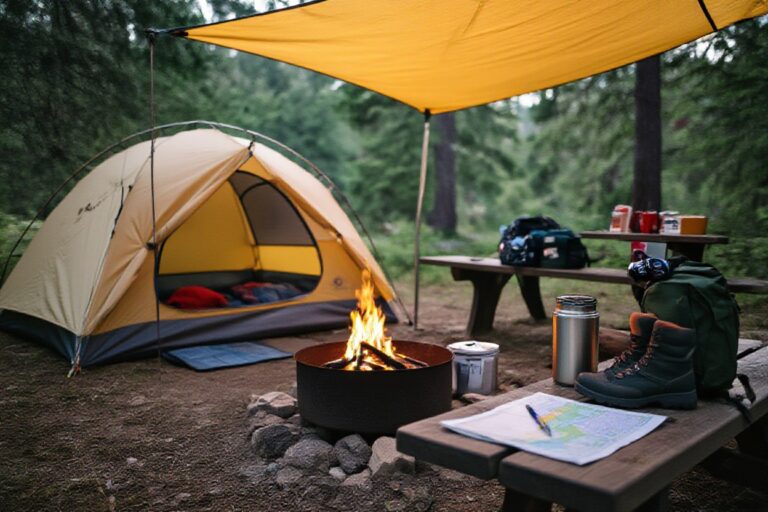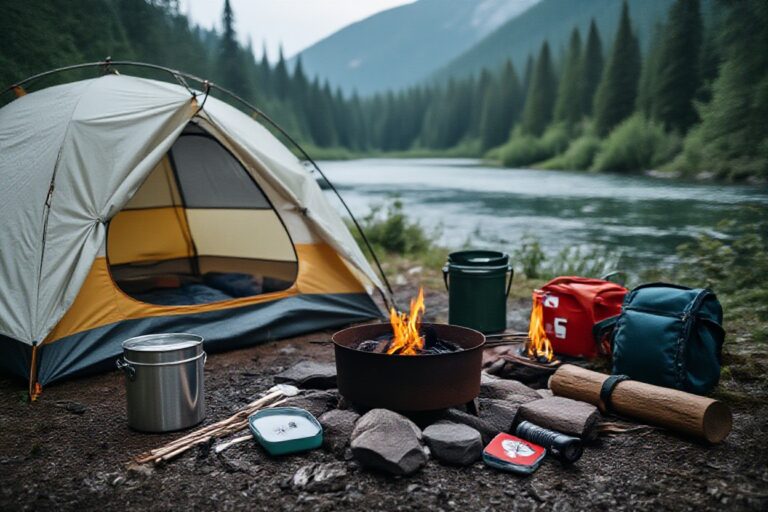
What to Expect on Your First Camping Trip?

Over your first camping trip, you will learn practical skills like pitching a tent, building a safe campfire, navigating basic trails, and managing food and gear; expect simple discomforts, shifting weather, and quiet nights, and follow safety tips, campsite etiquette, and a modest plan so you gain confidence and enjoy the outdoors responsibly.
Choosing the Right Campsite

A good campsite sets the tone for your trip, so you should prioritize flat, well-drained ground, nearby water or facilities if you need them, natural shelter from wind and sun, and clear access to trails or exits to keep your experience enjoyable and safe.
Factors to Consider
On arrival, assess site fundamentals so you and your group stay comfortable and safe.
- Water & sanitation – proximity affects cooking and hygiene.
- Terrain & drainage – choose flat, firm ground for tents.
- Exposure & shelter – trees and contours reduce wind and heat.
Thou should also check local rules, fire restrictions, and wildlife notices before you set up.
Types of Campsites
On deciding what type of campsite suits you, note how access and amenities change expectations.
- Frontcountry – accessible sites with parking and restrooms, beginner-friendly.
- Backcountry – remote, requires hiking, permits, and lightweight packing.
- Drive-in/RV – vehicle access, may offer hookups and level pads.
After you choose a type, match your gear, food, and safety plans to what the site provides.
And the table below summarizes common campsite types and what you should expect.
| Frontcountry | Parking, restrooms, marked sites; easier logistics for beginners. |
| BackcountryRemote access by foot, minimal facilities, requires permits and navigation. | |
| Drive-in | Close vehicle access, convenient for gear but can be busier and noisier. |
| RV Site | Hookups, level pads, more space and services but may need reservations. |
| DispersedNo established facilities, greater solitude, follow Leave No Trace rules. |
- Pack according to the site’s remoteness and weather.
- Verify permits, fees, and reservation policies in advance.
- Respect local wildlife and campsite etiquette to protect the area.
After reviewing these details, choose the option that fits your skill level and comfort needs.
Essential Gear and Supplies
Even a short trip demands deliberate packing: a dependable tent, weather-appropriate sleeping bag and pad, layered clothing, navigation and lighting, a basic first-aid kit, water treatment, and enough food and fuel for planned days plus contingency; prioritize items that keep you dry, warm, and safe while keeping weight manageable so you can enjoy the outdoors without surprise gear failures.
Tent and Sleeping Equipment
Supplies for shelter should include a tent suited to conditions, a footprint or groundsheet, solid stakes, a sleeping bag rated for expected temperatures, an insulating sleeping pad, and a small pillow or stuff sack; set up and test your shelter at home so you know its performance, practice repairs, and confirm you can manage poles and guy lines in low light.
Cooking Supplies and Food
Sleeping gear aside, your cooking kit should include a compact stove with fuel, a windscreen if needed, a pot or mess kit, reliable utensils, a lighter and backup matches, a scrubber and biodegradable soap, and resealable containers for food and waste; plan simple, calorie-dense meals and bring extra snacks for energy and flexibility.
Consequently, plan meals by portion and prep time, pack nonperishable staples plus a small cooler or insulated bag for perishables, store food securely away from your tent, and practice leave-no-trace cleanup: boil water when required, manage odors, and carry out all waste so you protect wildlife and make future trips easier.
Setting Up Camp
Some basic planning makes setting up camp efficient: pick level ground, avoid low spots for water, place vestibules away from prevailing wind, and keep gear accessible; you should stake anchors securely and test guy lines to prevent surprises overnight.
Tent Pitching Tips
To pitch your tent efficiently, follow simple practices:
- Choose flat, debris-free ground and clear stones.
- Align doors away from wind and near a light source if possible.
- Stake corners tightly and tension the rainfly for runoff.
Knowing these steps helps you sleep dry and reduces morning repairs.
Organizing Your Campsite
Among priorities when organizing your campsite, designate a sleeping area, a cooking/food storage zone away from tents, and a gear area that keeps paths clear; position your fire ring downwind and maintain a safe distance between heat and sleeping quarters.
But you should also consider light sources, trip hazards, and easy water access: keep lanterns near but not inside tents, store scented items in sealed containers, and create a tidy layout so you can move confidently at night without disturbing others.
Safety and First Aid
After you arrive, survey the area for hazards, note weather changes, tell someone your plan, store food away from camp, keep fires contained and attended, maintain lighting at night, and know access to water and the nearest help so you can respond quickly if an incident occurs.
Essential Safety Gear
On your first trip pack a well-stocked first aid kit, reliable headlamp with extra batteries, map and compass or GPS, whistle, multi-tool, firestarter, extra layers, water filtration, sunscreen and insect repellent so you can handle common problems without panic.
First Aid Basics
Safety in first aid means you stop bleeding, clean and dress wounds, splint suspected fractures, manage shock and allergic reactions, know CPR fundamentals, keep your kit accessible, and evacuate promptly if injuries exceed your training or supplies.
This list of kit items should include adhesive bandages, sterile gauze, antiseptic wipes, tweezers, pain relievers, antihistamines, blister treatment, a triangular bandage, a CPR mask, personal medications, a compact tourniquet if trained, and a waterproof container you check periodically for expired items.
Camping Etiquette

Now you should follow simple etiquette to keep the site safe and pleasant: pack out all waste, obey fire rules, keep noise low after dark, respect posted boundaries, and leave shared facilities cleaner than you found them.
Respecting Nature
Around the campsite you should minimize impact by staying on trails, using established fire rings, storing food securely to avoid wildlife, avoiding picking plants or disturbing habitats, and leaving natural features exactly as you found them.
Consideration for Fellow Campers
The best approach is to keep noise down, honor quiet hours, use dim lights at night, control pets, and give neighboring campers space so everyone can enjoy the outdoors.
Another way to be considerate is to communicate plans that might affect others, share communal spaces courteously, tidy common areas after use, and adjust your behavior if someone asks for more quiet or distance.
Activities and Entertainment
All your downtime can be filled with flexible activities that suit energy levels and weather – hiking, birdwatching, photography, stargazing, or relaxed reading; plan a loose schedule, pack simple gear, and let your group set the pace so you balance adventure with rest.
Outdoor Games
Outdoor games keep spirits high and are easy to organize: frisbee, cornhole, scavenger hunts, tag, or nature bingo; choose age-appropriate rules, clear a safe play area, and bring portable scorecards so your group stays engaged between hikes and meals.
Campfire Activities
To make campfire time meaningful, plan songs, storytelling, simple skits, and s’mores rotation; assign roles like fire tender, storyteller, and snack chief so your circle runs smoothly.
A deeper set of campfire options includes guided stargazing with a star chart or app, acoustic music sessions, quiet reflection prompts, and low-impact night hikes; keep a flashlight with a red filter and enforce quiet hours so your experience is safe and restorative.
Final Words
Summing up, on your first camping trip expect simple gear, variable weather, and a learning curve as you set up camp, cook outdoors, and manage basics like fire safety and navigation; plan conservatively, pack necessarys, test equipment beforehand, and follow Leave No Trace principles so your experience is safe and enjoyable while you build confidence for longer outings.